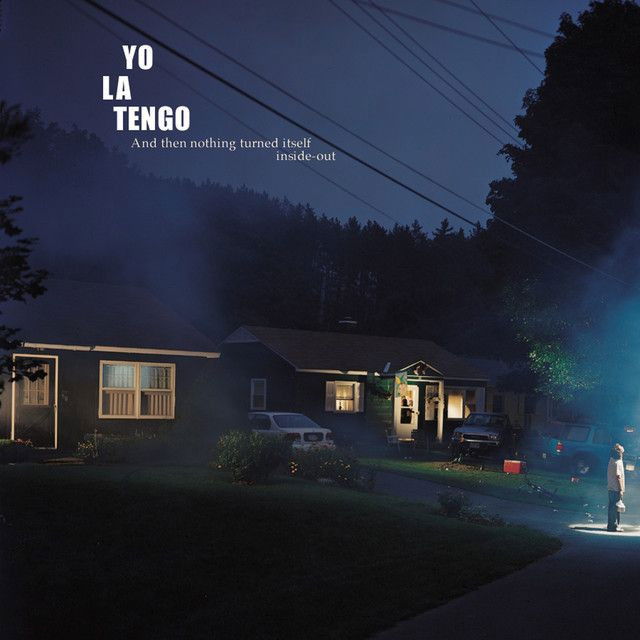
You Can Have It All by Yo La Tengo
The meaning of You Can Have It All Yo La Tengo starts with a simple idea: love as total giving. The words are few, but the feeling is large. In this song, they present devotion in its purest form, offering time, money, heart, and attention without bargaining.
"You Can Have It All" - Yo La Tengo
Take it, baby
If you want, want my heart
Loading lyrics...
Unable to load lyrics
We're unable to display the lyrics at this time. Please try again later.
That directness is part of why the song feels so moving. It does not hide behind complicated images. Instead, it repeats its promise until it sounds less like a dramatic speech and more like a calm vow.
A Small Lyric With a Big Emotional Reach
On the surface, the song is about giving everything to someone they love. The speaker says, in effect, if the other person wants what they have, they can take it. Short phrases like want my love
, want my heart
, and my last dime
widen that offer from emotion to material life.
That matters because the song does not stop at romance in an abstract sense. It includes practical sacrifice too. Love here is not only passion; it is generosity, trust, and the willingness to be vulnerable.
Interpretation: The song can sound almost impossibly selfless. Some listeners hear that as sweet surrender, while others may hear a hint of danger in giving so much away. Both readings fit, because the lyric leaves room for tenderness and imbalance at the same time.
Watch the official You Can Have It All
music video
Why Repetition Does the Heavy Lifting
The chorus centers on one promise: You can have it all
. Repeated over and over, it stops sounding like a casual line and becomes the whole emotional world of the song.
This repetition is important to the meaning of You Can Have It All Yo La Tengo because it mirrors how devotion works in real life. When people are deeply in love, they often return to the same feeling again and again, trying to express something words cannot fully hold.
If you want my time
Take it, baby
Those lines reduce love to an exchange that is both intimate and everyday. Time is one of the most valuable things a person owns. By offering it so plainly, the song turns romance into action.
The Voice: Gentle, Not Grand
One reason the song lands so well is that they do not perform it like a huge declaration. Yo La Tengo are known for moving between noise rock, dream pop, and hushed ballads, and on their acclaimed 2000 album And Then Nothing Turned Itself Inside-Out, they leaned hard into quiet emotional detail.
That context shapes the song's meaning. A louder, more theatrical version might feel possessive or desperate. Yo La Tengo's version feels intimate. Their soft delivery suggests confidence instead of pressure, as if the speaker is making an open-handed offer rather than demanding a response.
How the Arrangement Changes the Song
Factually, this is not a Yo La Tengo original. It was written by Harry Wayne Casey and Richard Finch, the songwriting team behind KC and the Sunshine Band. Yo La Tengo turn that disco-era composition into something slower, warmer, and more reflective.
That change in style is central to interpretation. The rhythm has an easy sway, and the arrangement brings in a brushed, lounge-like feel. The vibraphone and relaxed percussion give the track a floating quality. Instead of pushing the listener to dance, the production invites them to sit inside the promise and think about what it costs.
Interpretation: By softening the groove, they make the lyric sound less like flirtation and more like devotion. The same words, in a different setting, become gentler and more emotionally exposed.
Love, Surrender, and a Hint of Risk
The song's strongest theme is unconditional giving. The speaker offers not just affection but resources, energy, and identity. Phrases such as take it, baby
and have it all
suggest there are no limits.
That can be heard in two ways:
- as a beautiful picture of trust
- as a portrait of someone losing boundaries
- as a fantasy of perfect mutual love
The song never settles the issue. That ambiguity is one reason it lasts. They leave the listener to decide whether this is healthy devotion, romantic exaggeration, or both at once.
Why It Fits Yo La Tengo So Well
Yo La Tengo often excel at songs that feel private even when they are not self-written. Their long career has been marked by emotional subtlety, and reviews of the album from outlets like Pitchfork have noted its inward, late-night mood. "You Can Have It All" fits that atmosphere perfectly.
The band's version feels like a conversation heard in close quarters. Georgia Hubley's light vocal presence and the group's understated playing make the song feel shared rather than staged. That matters because the lyric itself is so absolute. The calm sound keeps it human.
Final Take on the Song's Meaning
So what is the meaning of You Can Have It All Yo La Tengo? At its core, it is a song about giving everything to love, with all the warmth and risk that idea carries. It uses very few words, but each one expands the picture of what love demands: heart, time, money, and self.
Their version deepens that message by slowing the song down and wrapping it in soft, intimate sound. The result is not flashy. It is tender, slightly wistful, and open enough to hold more than one truth.
Interpretation: Some will hear a near-perfect love song. Others will hear the fragile edge where devotion turns into self-erasure. The power of the track is that they make both possibilities sound beautiful.
Disclaimer: This interpretation is based on the lyrics, recording, and available artist context. As with any song, listeners may reasonably hear different meanings in it.







