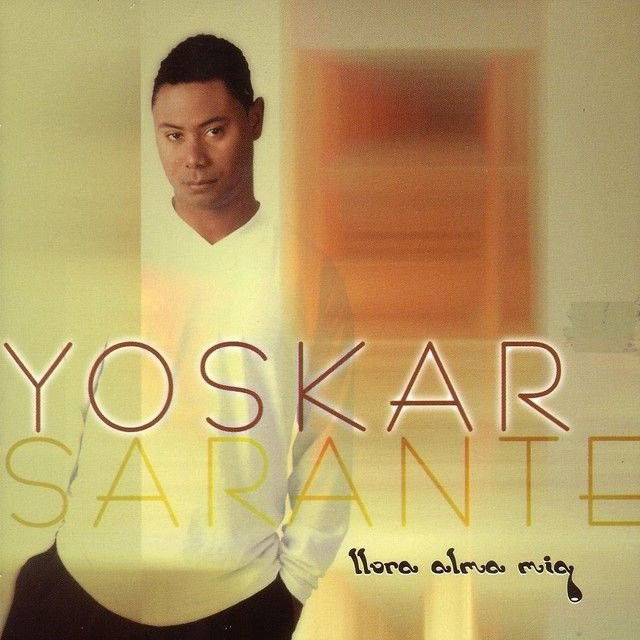
Why "Llora Alma Mía" Hurts So Much
For listeners searching for the meaning of Llora Alma Mía Yoskar Sarante, the song lands with unusual force because it does not hide behind complicated poetry. It takes a broken heart and says the pain out loud. In plain terms, this is a song about being left suddenly, feeling powerless, and trying to survive the emotional shock.
"Llora Alma Mía" - Yoskar Sarante
a recibido un golpe de dolor,
yo que estaba tan ilusionado
Loading lyrics...
Unable to load lyrics
We're unable to display the lyrics at this time. Please try again later.
Yoskar Sarante, a Dominican bachata singer widely remembered for romantic and sorrow-heavy performances, built a reputation on songs that made heartbreak sound both personal and communal. Coverage after his death often highlighted how central he was to modern bachata's emotional style, including reporting from Billboard and major Dominican outlets like Listín Diario. That context matters because this track fits the style perfectly: direct words, wounded pride, and a chorus made for collective singing.
The Song's Core Wound
At its center, the song tells the story of someone blindsided by abandonment. The narrator says their soul cries con razón
—for good reason—because they were fully invested in love and then left alone without an explanation. That detail is key. The hurt is not only about losing a partner; it is about losing certainty.
They believed in the relationship. They were, as the song puts it, tan ilusionado
, full of hope. Then the breakup turns that hope into humiliation and grief. The emotional logic is simple: if love felt complete, the loss feels complete too.

Watch the official Llora Alma Mía
music video
Speaking to the Soul Instead of the Ex
One of the smartest choices in the song is its point of address. Rather than spending the whole track confronting the woman who left, the narrator speaks inward. The repeated phrase llora alma mía
turns the soul into a second character.
Interpretation: This makes the song feel deeper than a standard breakup complaint. They are not just saying, "She hurt me." They are telling their own inner self to release pain before it hardens. In that sense, crying becomes a kind of therapy.
There is also a dramatic split between mind and body. The person seems to stand outside their own suffering, almost like they are giving instructions to survive it. That distance gives the song its tragic beauty.
How the Verses Build the Story
The narrative moves in a clear order:
- They begin in shock, saying the soul has suffered a blow.
- They explain that they entered love with full passion and trust.
- They describe being left alone and denied closure.
- The chorus turns pain into a command: cry until the pain is drained.
- Later, they finally grant themselves permission to forget the woman.
That last step matters. Near the end, the narrator offers their soul consent to forget esa ingrata mujer
. Even though the phrase sounds bitter, it signals movement. The singer is still hurt, but no longer frozen.
The Chorus Makes Grief Physical
The chorus is where the song becomes unforgettable. It does not treat sadness as abstract. Instead, it imagines heartbreak moving through the body, especially in the line about el veneno de su adiós
. The goodbye is not just painful; it is toxic.
Interpretation: That image suggests emotional betrayal that spreads everywhere. A breakup is no longer just a memory in the mind. It enters the blood, the nerves, and daily life. This is why the chorus feels so extreme. It frames sorrow as something the body must purge.
llora alma mía
hasta que quede una gota
Those lines capture the song's emotional method: cry until the damage is spent. The goal is not dignity. The goal is release.
Why Bachata Fits This Message So Well
The meaning of Llora Alma Mía Yoskar Sarante also lives in its sound. Bachata often uses guitar patterns that feel circular, intimate, and restless. That musical structure mirrors rumination, the way a hurt person replays the same wound over and over.
Yoskar Sarante's vocal style strengthens that effect. They stretch syllables, lean into ache, and let repetition do emotional work. The drawn-out cries in the chorus make the song feel less like a neat story and more like an active breakdown. Even without quoting many words, listeners can hear desperation in the delivery.
Typical bachata instrumentation also helps. The lead guitar can sound sharp and weeping at once, while the rhythm section keeps the track moving forward. That contrast matters: the heart feels stuck, but the song keeps going. In emotional terms, that is heartbreak itself.
A Song About Powerlessness and Recovery
A big part of the song's impact comes from impotence, a word the lyric itself uses. The narrator cannot undo what happened, cannot force an explanation, and cannot stop the pain on command. All they can do is feel it.
But the track is not only about collapse. It also suggests a rough path to healing. First comes crying. Then comes naming the wound. Then comes the permission to forget. None of that is elegant, but it is honest.
Interpretation: The song argues that grief should be exhausted, not hidden. For many listeners, that honesty is exactly why it lasts.
What the Song Ultimately Means
The meaning of Llora Alma Mía Yoskar Sarante is the meaning of heartbreak after trust has been broken without warning. It shows a person speaking to their own soul because ordinary speech is no longer enough. The pain is so strong that it must be sung, repeated, and emptied out little by little.
That is why the song still connects. It understands that after a sudden goodbye, people do not always need answers first. Sometimes they need permission to break down.
Disclaimer: This article offers an interpretation based on the lyrics provided, bachata context, and available artist information. Meaning can vary from listener to listener.







