Sunset Dreaming, Homeland Calling: Djapana Explained
Yothu Yindi’s "Djäpana (Sunset Dreaming)" turns a simple sky-watching moment into a statement of identity. It’s both a memory and a message—gentle in tone, firm in purpose. They invite listeners to witness a sunset and remember where they come from.
"Djapana" - Yothu Yindi
Dhurulama ngunhharrtji djapana
Djapana Warwu Galanggarri
Loading lyrics...
Unable to load lyrics
We're unable to display the lyrics at this time. Please try again later.
The meaning of Djapana Yothu Yindi, in brief
At heart, the song links personal longing with cultural responsibility. The opening image—Look at the sun
and Falling from the sky
—is not just weather talk. It’s a cue for memory and Country.
Interpretation: The sunset becomes a bridge between present and ancestral place. When they sing about being taken Back to my homeland
, they connect emotion to land rights and cultural survival. The repeated idea of "sunset dreaming" frames that moment as sacred time, not escape.
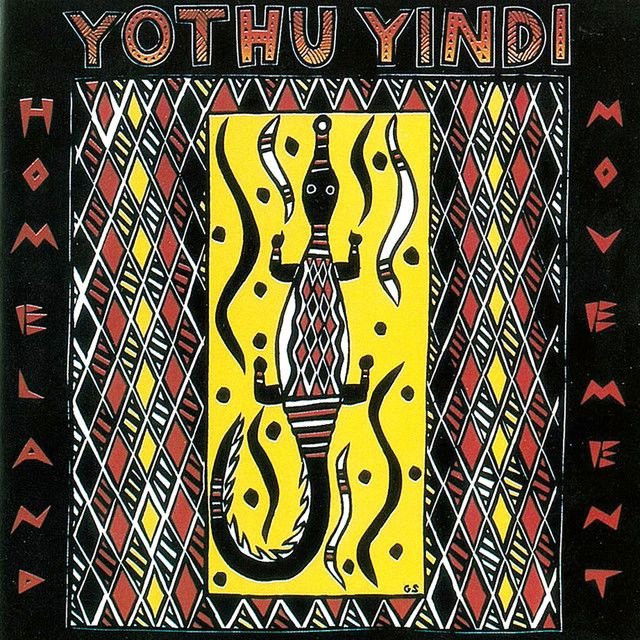
Fact: Written by M. Yunupingu and produced by Mark Moffatt, the song first appeared in 1989 on Homeland Movement, then was re-recorded for 1992’s Tribal Voice. The 1992 release reached No. 13 on Australia’s ARIA Singles Chart and achieved gold certification, showing how a local story resonated nationally.

Watch the official Djapana
music video
A voice remembering, a call to everyone
They shift voices throughout. In the reflective lines, the narrator remembers home and its story planted in the mind. Then the song turns outward with Hey you people
, asking the wider public to be fair to "the people of the land."
Interpretation: That pivot is key. The personal vision of sunset becomes a plea for justice. The song doesn’t scold; it invites recognition. The chorus chants—bilingual and rhythmic—pull listeners into a shared space where memory and action meet.
From memory to message: the song’s arc
Here’s a simple path through the narrative:
- A sunset triggers vivid recall: the mind carries them home.
- A story of place rises—clear, planted, and enduring.
- The voice turns public, asking for fairness toward the First Peoples.
- A warning is offered to the next generation about outside pressures.
- The refrain returns to "sunset dreaming," holding joy and care together.
Across these beats, Back to my homeland
keeps grounding the song. The homeland is not nostalgia—it’s responsibility.
Sunset, Dreaming, and Balanda: symbols decoded
"Sunset Dreaming" marks transition: light into dark, day into ceremony, memory into duty. Dreaming here signals cultural law and continuity rather than sleep or fantasy.
Another signal arrives in the caution to the youth: Don't be fooled
by the "Balanda ways." In Yolngu usage, Balanda commonly refers to non‑Indigenous people. Interpretation: The warning isn’t isolationist; it’s protective. It urges children of the land to weigh outside influence against their own law, so change doesn’t erode identity or harm Country.
The refrain’s Yolngu Matha words, answered by English lines, reinforce dual belonging. Interpretation: The song argues that two knowledge systems can coexist—but only if the original custodians set the terms.
Guitars, yidaki, and a bridge of sound
The production matches the message. Rock drums and bright guitars carry an accessible hook, while yidaki (didgeridoo) and bilma (clapsticks) thread in traditional pulse. That blend mirrors the group’s broader mission: to carry Yolngu culture into mainstream spaces without diluting it.
Producer Mark Moffatt’s clear mix leaves room for call-and-response vocals, which feel like community speaking to itself and to others. Interpretation: The steady backbeat suggests endurance; the chant-like refrain suggests ceremony. The 1992 re-recording tightened the groove, helping the track break through to radio and charts without losing its cultural spine.
Legacy and other ways to hear it
One reading centers on homesickness and pride: the singer sees the sun and travels inward to Country. Another hears a political undertone: the fairness plea presses listeners to consider land rights and respect.
There’s also a generational lens. The message to the youth pairs caution with celebration, ending in uplift through "sunset dreaming." Interpretation: Joy is not a retreat from struggle; it’s a way to keep culture alive.
Fact: The song’s bilingual delivery and national success helped pave space for later Indigenous Australian hits. It showed that a chorus built on Yolngu words could move mainstream audiences while speaking first to community.
Why the refrain still works
The hook lands because it is simple and open. Look at the sun
is a shared instruction; anyone can do it. And yet, for those tied to that specific Country, the image unlocks law, kin, and story.
Interpretation: That’s the lasting power of Djapana. It welcomes everyone into a sunset—and then asks them to see who has been standing there all along.
Takeaway: holding on as the sun goes down
The meaning of Djapana Yothu Yindi rests at the meeting point of beauty and duty. A sunset stirs memory; memory becomes action; action keeps Country and culture strong.
Disclaimer: Song interpretations are subjective. This reading combines lyrical analysis with cultural and production context to offer one informed perspective.







