
Death Row by Young Dolph
Young Dolph’s “Death Row” sounds like a victory parade with armored windows. For listeners searching for the meaning of Death Row Young Dolph, the song is less about one plot and more about a state of mind: power earned through risk, wealth displayed as protection, and confidence sharpened by danger.
"Death Row" - Young Dolph
Six trucks, two drop tops, three coupes
Two four doors, three old schools
Loading lyrics...
Unable to load lyrics
We're unable to display the lyrics at this time. Please try again later.
Released in 2020 ahead of Rich Slave, the track arrived during a period when Dolph was already known as an independent rap success story and founder of Paper Route Empire. He had also survived real violence, including high-profile shootings in 2017, which makes the song’s threats and fearless posture feel tied to lived experience rather than pure fiction. According to reporting collected in Young Dolph’s biography, “Death Row” was one of the singles that set up Rich Slave, his highest-charting solo album.
A Boss Anthem With a Shadow Behind It
On the surface, “Death Row” is a flex record. Dolph lists cars, jewelry, money, drugs, and status. He presents himself as the one in charge, using phrases like Big boss, CEO
to stress that he is not just a rapper but a boss.
But the song’s meaning goes deeper than luxury. The title and mood suggest a life lived close to violence, where success does not erase danger. When Dolph frames himself through rap-history references like on that Suge shit
and on that Pac shit
, he is linking himself to an older image of rap power: ruthless, controversial, and constantly under pressure.
Interpretation: The song uses bravado as armor. Dolph is not only celebrating success; they are showing that in his world, power has to look intimidating to stay safe.
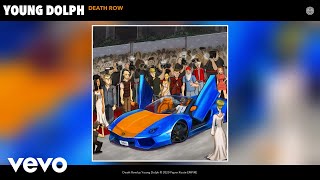
Watch the official Death Row
music video
How the Verses Build That Meaning
Each verse stacks up the same three ideas:
- He has made it.
- He knows violence is always near.
- He refuses to act afraid.
That pattern is why so many lines move quickly from luxury to menace. One moment he is talking about expensive cars and diamonds. The next, he is making threats or describing weapons. The contrast is the point.
This is especially clear when he slips in a more vulnerable thought: my son don't get cursed
. He briefly stops celebrating and admits worry that his choices could affect the next generation. That line changes the whole song. It suggests he knows the lifestyle he describes has a cost.
Interpretation: This may be the emotional center of “Death Row.” Even in a song built on dominance, Dolph lets fear in for a second—not fear for himself, but for his child.
Rap Lineage Matters Here
A big part of the meaning of Death Row Young Dolph comes from its name-dropping. References to Suge Knight, Snoop Dogg, Dr. Dre, and Tupac do more than decorate the verses. They place Dolph inside a tradition of West Coast and gangsta-rap mythology built on power, survival, and notoriety.
He is not literally retelling Death Row Records history. Instead, he is borrowing its image: larger-than-life, dangerous, untouchable. That image fits Dolph’s own career as an artist who built an independent empire instead of depending on a major label. Reports on his career note that he founded Paper Route Empire and famously stayed committed to independence.
So when he calls himself a boss, it is not empty branding. It reflects real business identity.
The Sound Makes the Threats Feel Calm
The production tag, Let the BandPlay
, announces a beat that is central to the song’s effect. The instrumental is slow, heavy, and clean. There is lots of space in the mix, which gives Dolph room to sound controlled instead of frantic.
That matters because “Death Row” is not performed like a panic attack. It is delivered like someone who has seen chaos and learned to speak through it without raising his pulse. His deep voice and unhurried cadence make every boast and threat land harder.
Interpretation: The beat turns the song into a cold statement of survival. A faster track might have made it sound reckless. This one sounds settled, like Dolph has accepted conflict as part of his environment.
The Rich Slave Context Changes the Reading
“Death Row” makes even more sense within Rich Slave. In a 2020 comment cited by Wikipedia’s summary of coverage, Dolph said the album title meant: “It’s the reality of being Black in this country.” That does not turn “Death Row” into a protest song, but it does widen its frame.
Under that album title, the song’s obsession with weapons, mobility, and public strength can be heard as more than personal ego. It becomes part of a larger portrait of Black success that still feels hunted, exposed, and unstable.
That tension is central to Dolph’s appeal. Reviews of his work often noted the contrast between his swagger and darker undercurrents. “Death Row” captures that perfectly: they sound triumphant, but never relaxed.
A Final Read on “Death Row”
So, what is “Death Row” about? At its core, it is Young Dolph turning survival into style. He boasts because boasting is part of rap, but also because power itself is a shield. He references legends, flaunts wealth, and issues threats to show they have moved from danger to command—without ever fully leaving danger behind.
The song’s most revealing detail is that brief concern for his son. It shows that beneath the steel-plated image is someone who understands that every win in this world may carry fallout.
That is what gives “Death Row” weight. It is not just a hard song. It is a song about what hardness costs.
Disclaimer: This article offers an interpretation based on the lyrics, artist context, and public reporting. Song meaning can vary from listener to listener.









