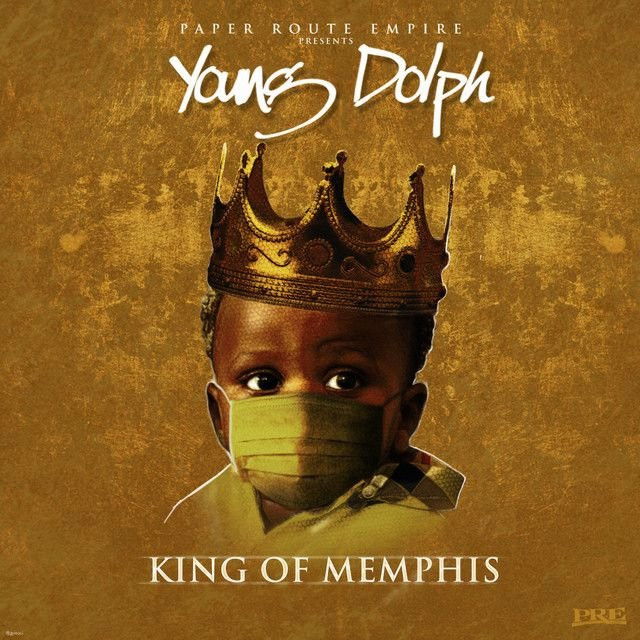
How Could by Young Dolph
A flashy anthem with a harder edge
The meaning of How Could Young Dolph starts with a simple contrast: wealth has changed his life, but it has not erased where he came from. The song sounds playful and boastful on the surface, yet its core message is about carrying street identity into success.
"How Could" - Young Dolph
Uh-huh
Real nigga shit
Loading lyrics...
Unable to load lyrics
We're unable to display the lyrics at this time. Please try again later.
Young Dolph, born Adolph Robert Thornton Jr., built his career as a Memphis rapper known for independence, blunt confidence, and detailed luxury-rap storytelling. He was also closely tied to Paper Route Empire and the city that shaped his voice and image. Those facts matter because this song keeps returning to one big idea: a person can become rich without becoming soft or fake.
The chorus frames that tension through two comparisons. One is sexual and material, the other is social. When Dolph asks how someone can be both attractive and impressive, then follows it with how a millionaire can still be so hood
, he is making the same point twice. He admires extremes. He likes when power and authenticity live in the same person.
Watch the official How Could
music video
The hook explains the whole song
The repeated line about a million-dollar nigga
being so hood
is the center of the song. Paraphrased, Dolph is saying that money has elevated his lifestyle, but his instincts, language, and values still come from South Memphis.
That matters because many rap songs celebrate success as escape. Here, success is not escape. It is proof. The song says he made it out, but he did not cut himself off from the world that made him. That is why the chorus feels less like a question and more like a challenge.
Interpretation: the title phrase “How Could” is rhetorical. They are not really looking for an answer. They are showing pride in contradiction: rich but street, polished but rough, glamorous but local.
From projects to private jets
One of the clearest lines in the song describes the arc of Dolph’s life. He remembers a time when his family had very little and says his grandmother did her best. Then he jumps to private travel, jewelry, designer clothes, and expensive cars.
That shift gives the song its emotional backbone. Even though most verses focus on flexes, they are not random. Each expensive detail acts like evidence in a success story. The jewelry, the Rolls-Royce, and the valet parking are trophies that answer a past marked by lack.
From the projects to private jetsIn one quick image, the song moves from poverty to extreme wealth.
This is one of the few places where the bragging turns into autobiography. Dolph is not just listing possessions. He is measuring distance traveled.
Why the women, clothes, and cash all connect
A lot of the song is centered on sex appeal, designer brands, money in clothing, and a partner connected to hustling. Those details can sound shallow if taken alone, but together they build a world where appearance signals power.
When Dolph references luxury labels and says that’s why I talk like that
, he links swagger to wealth. His confidence is not abstract. It comes from visible success. In rap, fashion often works like armor or proof of rank, and this song follows that tradition.
The same is true of the women in the track. They are often described in blunt, objectifying ways, but they also function symbolically. In Dolph’s writing, attraction and status sit side by side. A “bad” woman, a costly car, and expensive shoes all become signs that he has entered a higher class while still operating by street rules.
Interpretation: the song treats desire as another form of currency. Beauty, money, and reputation all circulate together.
Memphis pride never leaves the frame
The most important grounding detail in the verses is not the fashion. It is the line about taking South Memphis shit
worldwide. That phrase gives the song a local center.
Young Dolph often presented himself as self-made and deeply loyal to Memphis. In this track, hometown identity is not a side note. It is the brand. He is saying that the world now recognizes something that started in a specific neighborhood and culture.
That also explains the tribute to Pimp C. Even brief references like that place Dolph inside a Southern rap lineage. He is not claiming success alone. He is placing himself within a tradition of Southern hustler music, where wealth, danger, regional pride, and raw talk all mix together.
The production turns confidence into atmosphere
The beat, credited to Zaytoven from the tag in the intro and the song’s writing notes, plays a major role in the meaning. Zaytoven is known for bright keys, smooth bounce, and trap drums, and that style fits Dolph well. The production sounds relaxed but expensive.
That contrast matters. The instrumental is not frantic. It glides. That allows Dolph’s voice to do the heavy lifting. He sounds unbothered, amused, and fully in control, which strengthens the message that luxury has become normal for him.
There is also a steady repetition to the hook and verse structure. That repetition makes the lifestyle feel routine. Rolls-Royces, designer brands, stacks of cash, and danger are all delivered as everyday facts. The calmness is part of the flex.
Beneath the bragging, there is survival logic
The song includes threats, references to weapons, and warnings about getting too close. Those bars remind listeners that Dolph’s world still runs on risk. Even with millions, he describes himself as living near violence, suspicion, and counterfeit people.
That is why the song never becomes pure celebration. It is a success record, but it is also a record about staying guarded. In that sense, the meaning of How Could Young Dolph is not just “look how rich they are.” It is “look how far they came, and what they still carry.”
Final takeaway
At its heart, “How Could” is about contradiction as identity. Young Dolph presents wealth and hood credibility not as opposites, but as proof that his rise is real.
The song’s hook, Memphis references, and smooth trap production all support that message. It is flashy, funny, and harsh at once.
Disclaimer: This interpretation is based on the lyrics, performance, and known public context. As with any song, listeners may hear different meanings in the same lines.







