Why 'Ill' Sounds Bigger Than Brag Rap
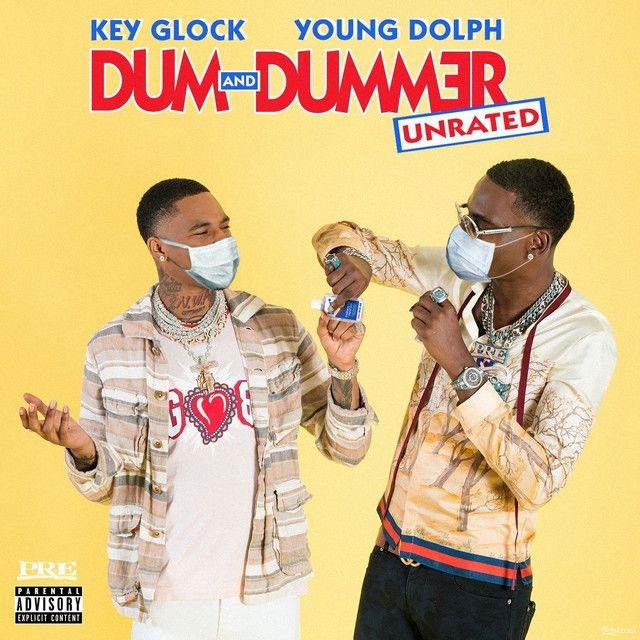
The meaning of Ill Young Dolph, Key Glock starts with a simple idea: this is a flex record, but it is also a statement of identity. Young Dolph and Key Glock do not just brag for sport. They use the song to argue that success, danger, loyalty, and Southern rap legacy all live in the same world.
"Ill" - Young Dolph, Key Glock
Ay, I'm one ill ass lil' nigga and I don't know no one iller
Yeah, I ran up my figures, I made them fuck niggas bitter
Loading lyrics...
Unable to load lyrics
We're unable to display the lyrics at this time. Please try again later.
The result is a track that sounds bold on the surface and revealing underneath. Even when they joke, boast, or taunt, they are defining what power looks like in their lane.
The Core Message Hides in Plain Sight
At the center of the song is the repeated claim that they are one ill ass lil' nigga
. Paraphrased, they are saying they are unmatched. “Ill” works as a badge of greatness, toughness, and uniqueness.
Interpretation: the word also carries a second meaning. Key Glock later jokes about taking meds because he is ill
, turning the phrase into a darkly funny pun. That double meaning helps the song feel playful and threatening at the same time.
The track keeps returning to three linked ideas:
- they built wealth from harsh conditions
- they do not trust easily
- they see themselves as real while others are fake
That is why money talk and street talk are always side by side. Bigger bank accounts are not presented as comfort alone. They are proof.

Watch the official Ill
music video
A Southern Lineage, Not Just Random Name-Drops
When Dolph says they are on some UGK shit
and later nods to Three 6, the references matter. UGK and Three 6 Mafia are pillars of Southern rap history, and both names signal regional pride and toughness. That context helps explain why the song feels like more than routine boasting.
Young Dolph and Key Glock were closely tied through Paper Route Empire, the Memphis label Dolph built. That mentor-family dynamic is part of the duo’s public story, documented across label coverage and releases from Paper Route Empire and artist pages at Empire. In that light, the song sounds like two generations of the same style sharpening each other.
Interpretation: these references act like a stamp of authenticity. They are claiming a place in a tradition, not borrowing one.
Street Faith and the Song’s Hard World
One of the sharpest lines contrasts religion with survival when Dolph says he puts faith in a vacuum sealer
. Paraphrased, he is saying that in his world, practical tools matter more than comforting words.
That does not mean the song rejects belief altogether. It means the rappers describe a life shaped by hustle, risk, and immediate consequences. Another key image comes when Dolph calls himself the bishop
in the trap. It mixes sacred language with street hierarchy.
What that image suggests
- the trap is treated like a system with rules
- they see themselves as leaders inside it
- power is framed as earned, not given
This is one reason the song feels so confident. They are not asking for respect. They are describing themselves as already established.
Key Glock’s Verse Turns Swagger Into Momentum
Key Glock’s section pushes the song into overdrive. He stacks boast after boast: more money, more cars, more jewelry, more motion. The point is not realism in a narrow sense. The point is acceleration.
When he says go 'til you can't no more
, he sums up the record’s work ethic. Even with all the luxury, rest never seems to arrive. The energy is relentless.
There is also a revealing line about his grandmother telling him he had no friends. That moment, brief as it is, adds depth. Beneath the insults and bravado, the song hints at distrust and loneliness. Success does not erase that lesson; it seems to confirm it.
Interpretation: this is why the flexing feels defensive as well as celebratory. They are showing off, but they are also protecting themselves.
How the Production Carries the Meaning
The beat, tagged by BandPlay, is crucial to the song’s impact. BandPlay is a frequent Young Dolph collaborator, widely associated with the rapper’s Memphis sound through releases and credits covered by outlets like The Fader and Complex. Here, the production is spacious, bass-heavy, and patient.
That space matters. It gives each rapper room to sound in control. Instead of rushing, they land lines with certainty, which makes every claim feel more deliberate.
Why the sound fits the theme
- Heavy drums underline dominance.
- Sparse melody keeps the focus on voice and attitude.
- Repetition in the hook turns identity into a chant.
The music does not soften the lyrics. It frames them like declarations.
So What Is 'Ill' Really Saying?
The meaning of Ill Young Dolph, Key Glock is not subtle, but it is layered. On one level, the song is about being richer, harder, colder, and more real than the next person. On another, it shows how that identity is built from pressure, competition, memory, and Southern rap tradition.
Their voices make those layers clear: Dolph sounds grounded and authoritative, while Glock sounds hungry and explosive. Together, they turn “ill” into a full self-image.
In the end, the song is less about one event than one worldview. Power must be displayed. Loyalty must be earned. Winning must stay visible.
Disclaimer: This interpretation is based on the lyrics, performance, and public artist context. As with any song, listeners may hear different meanings in the same lines.







