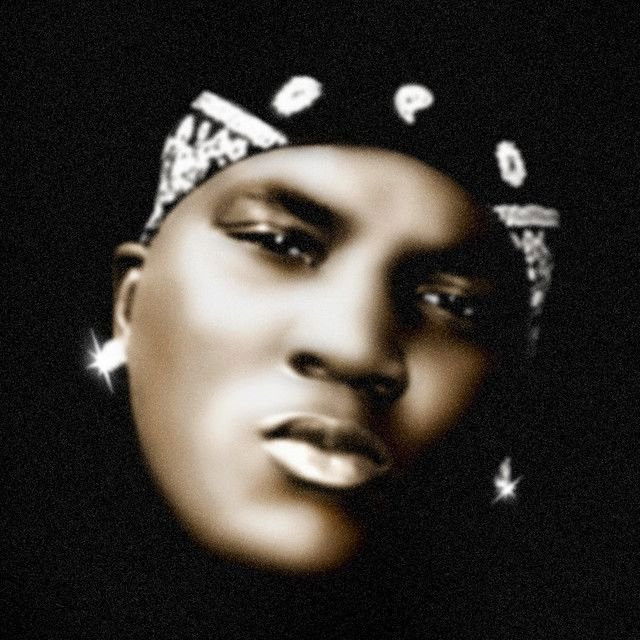
Why ‘Mr. Pyrex’ Turns Hustle Into Identity
The core idea behind the song
The meaning of Mr. Pyrex Jeezy starts with a simple point: the song turns hustle into a full identity. Jeezy is not just describing money, status, or street legend. They are presenting a character so tied to work, risk, and ambition that the nickname becomes the whole message.
"Mr. Pyrex" - Jeezy
Give a fuck what you niggas think
I'm here to motivate the thugs to get this bread, nigga
Loading lyrics...
Unable to load lyrics
We're unable to display the lyrics at this time. Please try again later.
In trap rap, a title like Mr. Pyrex
carries heavy symbolism. Pyrex cookware is a familiar image in drug-rap history, so the name signals the kitchen, the grind, and the business of survival. But Jeezy widens that image. By the end, they connect the street corner and the corporate room, arguing that the same hunger drives both.
That fits Jeezy’s larger career. They are widely seen as one of the artists who helped bring trap music into the mainstream, alongside figures like T.I. and Gucci Mane, according to widely cited career summaries such as Wikipedia’s overview of Jeezy. That context matters because this song sounds like a veteran reclaiming the old language of trap while framing it as discipline and self-definition.
Watch the official Mr. Pyrex
music video
More than drug talk, less than a confession
A lot of listeners hear “Mr. Pyrex” and stop at the obvious street imagery. That is part of the record, yes. The verses mention deals, federal pressure, kitchen work, and the constant pressure of moving product. But the song is not built as a detailed narrative confession.
Instead, it works like a self-portrait. Jeezy keeps returning to effort, repetition, and identity. The ad-libs around working, working
matter almost as much as the verse details. They push the idea that labor never stops, whether legal or illegal, glamorous or dirty.
Interpretation: The song treats hustle as a moral code. That does not mean the actions described are moral. It means the speaker values endurance, focus, and output above almost everything else. In that frame, success is less about luxury than about proving they cannot be outworked.
How the verses build the persona
A nickname that sounds like a brand
The chorus repeats the title until it feels stamped on the track. That repetition makes the nickname sound less like a one-off boast and more like a brand name. When Jeezy adds lines about a million dollar deal
, the song pushes beyond the stove image and into business language.
That move is crucial. The song suggests that the same instincts once used on the block can be translated into larger, cleaner spaces. In the outro, Jeezy makes that connection explicit by saying the hustle continues in boardrooms or we on the block
. They are collapsing two worlds into one work ethic.
Discipline over pride
One of the most revealing lines is the idea of grind over pride
. Paraphrased, Jeezy argues that ego gets in the way, while work keeps people alive and moving. That line connects many of the song’s rougher details: middlemen, legal danger, competition, and relationship strain all become side effects of a life ruled by output.
This is also where the song feels older and colder than a party anthem. They are not selling a fantasy of easy money. Even when the verses flex, the mood is tense. Every reward seems tied to pressure.
Mr. Pyrex, Mr. Pyrex
working, working
One point seven in the bag
That short hook section captures the song’s whole design: identity, labor, and payoff, repeated until they sound inseparable.
The production keeps the message hard
The beat supports the meaning well. It is spare, forceful, and loop-driven, leaving room for Jeezy’s voice to do the heavy lifting. Their delivery is blunt and rhythmic, with the kind of bark that has long defined their music. That vocal style matters because it turns every claim into an order or a warning.
Trap production often uses repetition to mirror routine, and this song leans into that. The hook circles back again and again, which can sound hypnotic, but also tiring by design. That fatigue is part of the point. The listener is meant to feel the endless cycle of work.
Interpretation: The beat does not romanticize the lifestyle as much as it mechanizes it. The song moves like a shift that never ends.
Artist context sharpens the meaning
Jeezy’s catalog has long centered on motivation, ambition, and survival. Their breakthrough album Let’s Get It: Thug Motivation 101 helped define that lane and became a major commercial success, eventually earning multi-platinum recognition, as summarized in major discography references like Wikipedia’s Jeezy page. So when they open this track talking about motivation, it is not random. It ties back to a career-long mission statement.
That is why “Mr. Pyrex” lands as more than a street record. It sounds like a late-career reaffirmation of brand and worldview. Jeezy is reminding listeners that their authority comes from lived struggle, but also from turning that struggle into a system, a sound, and a public identity.
A few strong alternate readings
There are at least two useful ways to hear the song:
- Straight trap realism: It is a hard-edged victory lap about surviving the drug economy and outlasting enemies.
- Self-mythology: It is about creating a larger-than-life character who stands for relentless ambition in any field.
Both readings fit the text. The first is supported by the kitchen imagery and law-enforcement references. The second is supported by the boardroom line and the business language throughout.
Why the song still connects
The reason the track works is that it understands something basic about Jeezy’s appeal: listeners do not come only for details of crime or wealth. They come for conviction. “Mr. Pyrex” sells a harsh belief that a person can turn pressure into purpose and repetition into power.
So the meaning of Mr. Pyrex Jeezy is not just about a nickname from trap culture. It is about a person becoming the job they do, the legend they built, and the work they cannot stop doing.
Disclaimer: This interpretation is based on the lyrics, performance, and publicly available artist context. As with any song, meaning can vary by listener.









