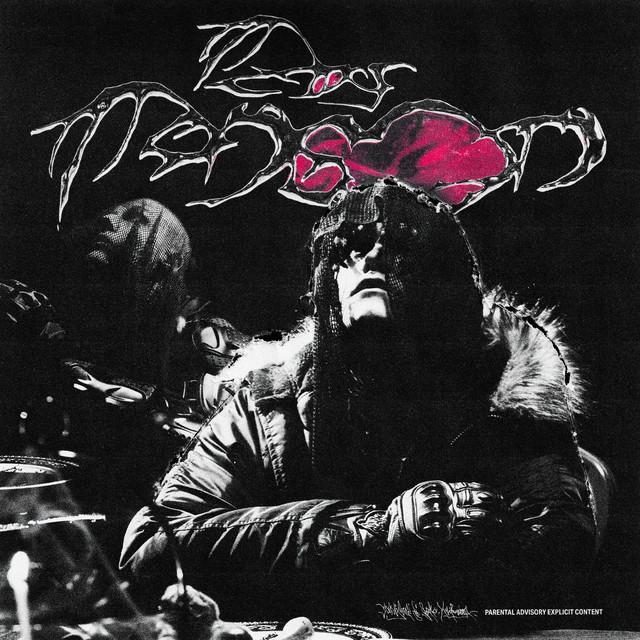
Why “Młody Manson” Feels Like Controlled Chaos
The meaning of Młody Manson Young Multi, Szpaku, Kubi Producent, Lucassi comes through in a rush of rage, swagger, and dark theater. This is not a soft, reflective track. They build a world where trap music meets mosh-pit energy, and where fame, violence, and identity blur into one loud image.
"Młody Manson" - Young Multi, Szpaku, Kubi Producent, Lucassi
Ostudzając w tłumie podpalone ciała
Rozjebane Rocki, rozjebane zęby
Loading lyrics...
Unable to load lyrics
We're unable to display the lyrics at this time. Please try again later.
At its core, the song sounds like a statement of self-creation. They present themselves as dangerous, stylish, and hard to kill emotionally. The result is less a confession than a mask they wear on purpose.
A Hook Built on Shock and Persona
The chorus is the key to the song’s meaning. When they compare themselves to young Marilyn
, they are reaching for the image of Marilyn Manson as a symbol of provocation, outsider power, and shock performance. They are not simply naming a celebrity. They are borrowing a whole attitude.
That idea is paired with death metalowe bandy
and a crowd where sami nieśmiertelni
. In plain terms, they describe a scene that feels half concert, half battlefield. Their people are framed as immortal not because they literally cannot die, but because they move with fearless, reckless energy.
Interpretation: the chorus turns underground chaos into a badge of honor. They want the listener to feel that they belong to a subculture that survives by intensity.
Fire, Cold Blood, and the Split Self
The opening lines set up one of the track’s strongest tensions. They see fire in the eyes, but also describe cold blood. That contrast matters. The song keeps moving between hot emotion and numb control.
This is why the opening feels more complex than simple aggression. Fire suggests passion, destruction, and crowd violence. Cold blood suggests calculation. Together, those images create a persona that is both wild and emotionally armored.
Later, they describe darkness returning and a loss of control. They also mention a desire for revenge and standing in a kind of sinful coat. That image suggests someone covered in guilt, image, and bad choices, but not ready to step away from them.
Interpretation: the song’s speaker is not just bragging. They are showing a mind that feeds on chaos while also knowing that chaos has a cost.
The World of the Song Is a Pit, Not a Plot
“Młody Manson” does not tell a neat story from beginning to end. Instead, it works like flashes inside a loud night. A few key beats stand out:
- They enter with violent imagery and group identity.
- They turn to status symbols like chains and scene credibility.
- They answer haters and gossip directly.
- They end in horror-movie language about demons and infection.
That structure matters. The song feels like a sequence of emotional snapshots rather than a narrative. The pogo reference is important here. A pogo pit is chaotic, physical, and collective. That makes it the perfect symbol for a track where identity comes from surviving impact.
Fame, Haters, and Public Image
Part of the meaning of Młody Manson Young Multi, Szpaku, Kubi Producent, Lucassi lies in how they respond to being watched. Several lines push back against gossip, critics, and public talk around collaborations. Even when they joke, the tone stays defensive and aggressive.
This gives the song a second layer. It is not only about rebellion in the abstract. It is also about living inside a music scene where every move gets discussed. Their answer is not to become calmer. Their answer is to become louder.
The flexes, the streetwear details, and the superhero comparison all support that idea. They build a bigger-than-life image because fame itself has turned into a contest of control.
Horror Images Say More Than the Brags
The most memorable writing in the song may be its horror language. They mention screams, demons, zombies, infection, and being Back from the Dead
. These are not random edgy references. They deepen the song’s emotional world.
A zombie apocalypse is a strong metaphor for a corrupted crowd or scene. Demons suggest inner pressure, not just outside enemies. And when one line says they have been trapped since birth, the song briefly drops its mask and hints at something heavier: a life shaped by pressure from the start.
Interpretation: these images suggest that their aggression is not only performance. It may also be a response to feeling hunted, consumed, or stuck inside systems bigger than them.
Why the Beat Matters So Much
Kubi Producent’s tag and the repeated nod to tylko 808
are central to the track’s meaning. The production gives the song its physical force. Heavy low end, blunt rhythm, and chant-like repetition make the track feel like impact rather than melody.
That matters because the lyrics constantly point toward metal, pits, and body-level energy. The beat translates those references into trap form. Instead of guitars carrying the violence, the 808s do.
So the production is not just background. It is the bridge between rap flexing and rock chaos. That is why the track feels theatrical without losing its club or street edge.
The Best Way to Read “Młody Manson”
The strongest reading is that the song is about building an invincible image in response to inner and outer pressure. They turn anger into style, scene energy into identity, and horror into self-myth.
At the same time, there is room for another reading. Interpretation: the song may also be mocking the need to perform toughness at all times. Its exaggeration is so intense that it can sound both sincere and self-aware.
Either way, the track succeeds because it commits fully to its world. It wants to overwhelm the listener, and that is exactly how its meaning lands.
Disclaimer: This article offers an interpretation of the song based on its lyrics and credited creators. Meanings in music can vary from listener to listener.







