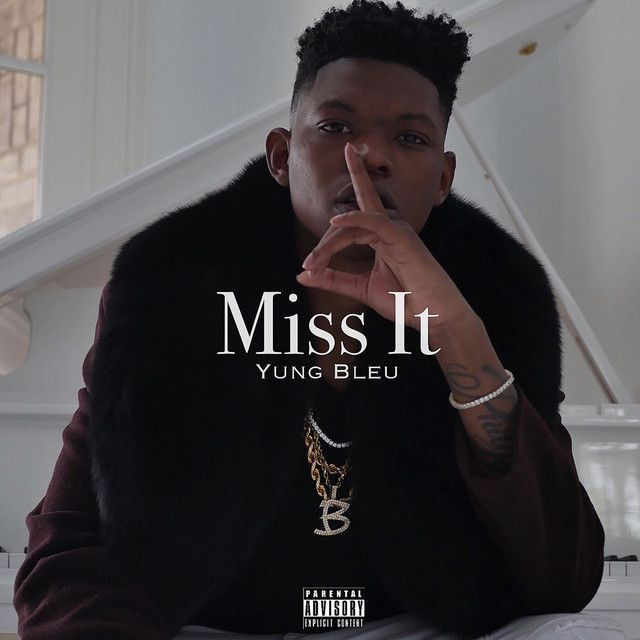
Why Yung Bleu’s “Miss It” Still Stings
Yung Bleu built much of their appeal on songs that blur rap bravado with R&B vulnerability, and the meaning of Miss It Yung Bleu sits right in that space. The song sounds like a breakup record, but it is really about a messier feeling: wanting someone back while still feeling hurt, defensive, and proud.
"Miss It" - Yung Bleu
Yeah, hey
I'm sitting here reminiscing how I would kiss you baby
Loading lyrics...
Unable to load lyrics
We're unable to display the lyrics at this time. Please try again later.
Released in 2017 during an important stretch in Bleu’s rise, “Miss It” helped show the emotional style that later made them a bigger name. According to public discography summaries, the song was part of Bleu’s 2017 return run and later received an official remix with Kid Ink in 2018. Sources also note some catalog ambiguity, with the track linked to both Investments 4 and Bleu Da Ruler in different listings. It is widely listed as a platinum-certified single and was reported to have reached No. 12 on the Bubbling Under Hot 100 (Wikipedia).
A Breakup Song Powered by Mixed Signals
At its core, the song follows a narrator replaying the end of a relationship. They remember affection, sex, gifts, and private chemistry, but every memory is tangled with frustration. That tension is the whole point.
Early on, the song leans into nostalgia with phrases like reminiscing
and I know you miss it
. Those lines present the breakup as unfinished. They are not calmly reflecting; they are still inside it.
But the song does not stay soft for long. The narrator quickly shifts into accusation, suggesting the ex did not listen and let outside voices shape the relationship. That move matters because it frames the breakup as both personal and social. In their telling, the relationship failed not just from private mistakes, but from interference, gossip, and mistrust.

Watch the official Miss It
music video
The Narrator Wants Control Back
One of the strongest ideas in “Miss It” is control. The narrator is trying to retell the breakup in a way that protects their pride.
They claim they gave the best of themselves, then point to a final breaking point with for the last time
. That phrase works like a line in the sand. It tells the listener they are done being disrespected.
Still, the song complicates that image. They also admit, in plain terms, that they have commitment problems. That confession is important because it keeps the song from becoming a simple blame game. Instead, it sounds like someone who knows they helped damage the relationship, even if they do not fully want to sit in that truth.
A quick timeline of the story
- They remember intimacy and closeness.
- They accuse the ex of not listening.
- They admit their own flaws, especially around commitment.
- They swing back into desire and fantasy.
- They repeat the breakup as a wound that still feels fresh.
That back-and-forth is why the song feels believable. Real breakups often sound exactly this inconsistent.
The Hook Turns Memory Into Obsession
The chorus is simple, but it does heavy emotional work. The repeated idea that the ex will miss what they had is both a flex and a confession.
Interpretation: when the narrator insists the other person misses them, they may also be revealing their own longing. The repetition makes it sound less like confidence and more like self-persuasion.
There is also a key shock in the refrain: the realization that one intimate moment was the last time
. That line gives the song its emotional sting. It captures how breakups often become real only in hindsight, when a person suddenly understands that an ordinary night was actually the end.
Love, Lust, and Ego All Share the Same Space
Part of what gives “Miss It” its edge is how freely it moves between tenderness and possessiveness. The narrator talks about love, trust, jealousy, status, and sex almost as if they are one emotional package.
That is very much in line with Yung Bleu’s broader style. Bleu, born Jeremy Biddle in Mobile, Alabama, became known for mixing melodic confession with streetwise detail and romantic chaos (Wikipedia). “Miss It” shows that formula in an early, raw form.
The gifts, the social media watching, the suspicion of outside voices, and the escape fantasies all suggest a relationship built on intensity rather than stability. Even romantic images, like wanting to take someone away somewhere private, do not feel calm. They feel like an attempt to outrun conflict.
How the Sound Supports the Meaning
Musically, “Miss It” works because the production gives Bleu room to sound wounded and assertive at the same time. The beat is smooth and melodic, but not dreamy enough to hide the tension. That balance lets the song sit between rap and R&B rather than choosing one lane.
The vocal delivery matters too. Bleu stretches phrases in a way that keeps the hook catchy, but the verses feel conversational, almost like an argument replayed in real time. That contrast supports the theme: memory sounds sweet, but the details are bitter.
Interpretation: the song’s polished melody may be why its harsh lines land harder. The softness of the music makes the emotional volatility feel more exposed.
Why “Miss It” Connected
Even before Yung Bleu’s mainstream breakthrough with “You’re Mines Still,” “Miss It” showed why listeners responded to their music. It offers something many breakup songs avoid: emotional contradiction.
The narrator is sorry and self-justifying. They are lonely and defensive. They sound hurt, but they still want the upper hand. That blend is what makes the meaning of Miss It Yung Bleu stick with listeners years later.
In the end, the song is less about winning an argument than surviving the emotional aftershock of a breakup. It captures the stage where someone is not over the relationship, but also cannot stop turning pain into pride.
Disclaimer: This interpretation is based on the released lyrics, performance, and available career context. Like most songs, “Miss It” can support more than one reading.









