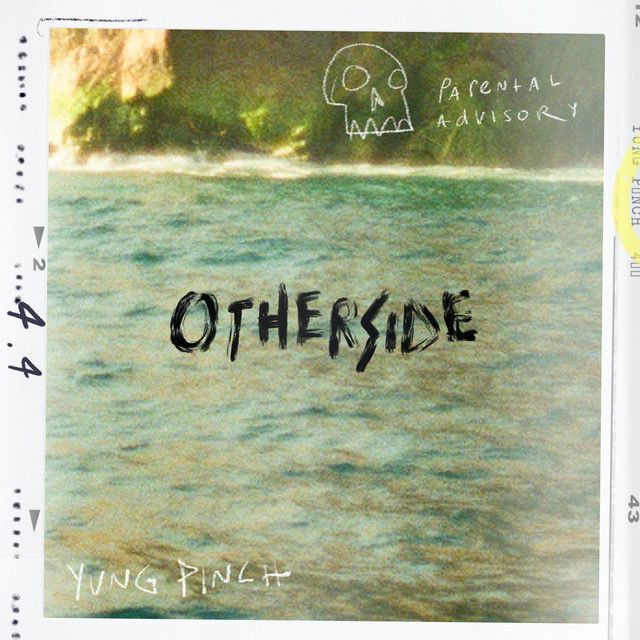
Why 'OTHERSIDE' Feels Like Yung Pinch's Origin Story
The meaning of OTHERSIDE Yung Pinch comes down to a simple idea: success may change their life, but it does not erase where they came from.
"OTHERSIDE" - Yung Pinch
Provided by LyricFind(BL$$D)
Beach Boy in this ho
(Ayy, Benjamin, he got Benjamins)Loading...Loading lyrics...
Unable to load lyrics
We're unable to display the lyrics at this time. Please try again later.
A Hometown Anthem With Real Stakes
At its core, "OTHERSIDE" is a song about making it out without pretending the past never happened. Yung Pinch uses the track to connect two versions of himself: the kid from a rougher part of town and the artist now living a bigger life.
That tension drives the whole song. They celebrate wins, but they keep circling back to place, memory, and identity. When they repeat other side of town
, the phrase means more than a map location. It also signals class difference, social distance, and the feeling of being underestimated.
In that sense, the meaning of OTHERSIDE Yung Pinch is not just bragging. It is a statement that hardship shaped their voice, their outlook, and even their language.
Watch the official OTHERSIDE
music video
The Artist Context Behind the Song
Yung Pinch, born Blake Sandoval, built much of his image around Huntington Beach and Orange County, often using the nickname “Beach Boy” and references to the 714 area code, as noted in Billboard. That background matters here because the song leans hard into local identity.
Billboard also describes him as an artist who blends melodic rap with rock influence, and quotes him describing his style as a middle ground between singing and rapping. That hybrid sound helps explain why "OTHERSIDE" feels reflective and triumphant at the same time. It is not a grim street record, but it is not lightweight either.
His life story also adds depth. In the same Billboard feature, they spoke about a difficult upbringing and choosing gratitude over bitterness. That outlook shows up clearly in this song.
How the Verses Turn Struggle Into Proof
The opening verse starts with movement from pain to momentum. They describe coming from near hopelessness into sold-out energy and real money, but the point is not just flexing. The point is endurance.
Short phrases like rose to this
and chose to quit
set up the song’s moral logic. They had reasons to stop, but kept going. That makes later success feel earned rather than random.
There is also a strong duty-to-hometown thread. When they say they put the city on the map
, they are claiming to represent more than themselves. Even the beach imagery feels like local pride, not just lifestyle branding.
Across the Tracks, Across the Divide
One of the song’s clearest details is the mention of being behind the train tracks
. That image matters because train tracks often symbolize social separation in American songwriting. They mark a visible line between one neighborhood and another.
Here, that line becomes part of the artist’s identity. Instead of hiding it, they make it the chorus. Interpretation: the song suggests that what once marked them as less privileged now gives them authenticity.
Why the Chorus Hits So Hard
The hook is repetitive on purpose. Each return to other side of town
resets the song’s meaning. No matter how many luxury details appear in the verses, the chorus refuses to let listeners forget the starting point.
That repetition also gives the track an anthem quality. It sounds like something fans from overlooked places can claim for themselves. Even if they do not share Yung Pinch’s exact hometown, they can understand the feeling of coming from the side people dismiss.
"I'm from the other side of town
Across the tracks, you can catch me, yeah"
Those lines are direct and plainspoken. That simplicity is part of why they stick.
Confidence, Gratitude, and a Little Fear
One of the strongest parts of the song is how it mixes victory with vulnerability. There are flashy details, but they are balanced by honesty about luck, mortality, and self-doubt.
Near the end, they want to be remembered, hope for Heaven, and admit they were not supposed to make it. That gives the song emotional range. It is not only about being cool or successful. It is also about knowing how fragile the path has been.
This fits Yung Pinch’s public outlook. In Billboard, they spoke about focusing on what is positive and feeling blessed despite hardship. "OTHERSIDE" sounds like that philosophy in song form.
How the Production Carries the Message
The beat helps the meaning land. The production feels breezy, polished, and melodic, which matches Yung Pinch’s West Coast identity. Instead of sounding haunted by the past, the music sounds like someone driving through it with perspective.
That matters because a darker instrumental would have changed the message. Here, the smooth drums and singable hook suggest triumph, not trauma. The pain is there, but it has been processed into confidence.
Interpretation: that bright sound mirrors the song’s worldview. They do not deny struggle; they refuse to let struggle define the full story.
The Bigger Meaning of OTHERSIDE Yung Pinch
In the end, the meaning of OTHERSIDE Yung Pinch is about carrying origin like a badge, not a burden. The song says success means little if it costs them their voice, their roots, or their memory.
It also shows why Yung Pinch connected with listeners during his rise. Billboard noted his prolific run of releases and strong fan engagement, including millions of streams and a steady stream of songs during his breakout period (Billboard). "OTHERSIDE" captures that appeal well: catchy, local, emotional, and easy to turn into a personal anthem.
Final Take
For casual listeners, "OTHERSIDE" may sound like a laid-back success song. Look closer, and it is really about class, memory, and self-definition. They made it forward, but they still speak from where they started.
Disclaimer: This interpretation is based on the released lyrics, artist context, and public reporting. Like any song, its meaning can vary from listener to listener.








