Why 'Jump Right In' Feels Like an Escape
The meaning of Jump Right In Zac Brown Band comes down to a simple but powerful idea: let go, be present, and allow beauty, music, and motion to pull them out of everyday stress. It is an escapist song, but not in a shallow way. Instead of running from life forever, the song imagines a brief reset. They step into a place where the wind, water, and rhythm make it easier to breathe.
"Jump Right In" - Zac Brown Band
Baby powder beach under my feet has got me rolling
And the breeze through crackling leaves like a daytime campfire burning
Loading lyrics...
Unable to load lyrics
We're unable to display the lyrics at this time. Please try again later.
That reading lines up with songwriter Wyatt Durrette, who said the track was meant as an escapism song about enjoying the moment and leaving everything else behind for a while, as noted by Songfacts. Knowing that helps explain why the song feels so light even when its message is serious.
A Chorus About Surrender, Not Recklessness
At the center of the song is the invitation to jump right in
. On the surface, that sounds like diving into water. But in context, it means more than a physical act. It is about entering a mood, a place, or even a way of thinking without holding back.
The next idea, let the music pull you in
, makes that clearer. The song suggests that healing does not always come from solving every problem. Sometimes it comes from giving in to a healthy kind of immersion: music, nature, friendship, or travel. When the chorus says lose yourself again
, it is not asking them to disappear in a dangerous sense. It is describing the relief of forgetting pressure for a moment.

Watch the official Jump Right In
music video
The Setting Matters More Than Plot
This is not a story song with a strict timeline. It works more like a mood painting. The lyrics move through beaches, leaves, ships, clouds, rivers, and tides. Each image adds to a world that feels warm, open, and far away from routine.
The phrase island lullaby
is especially important. A lullaby soothes people and helps them rest. By calling the southern wind an island lullaby, the song turns nature into a calming voice. The world itself seems to sing them into peace.
Nature as a Doorway
The opening images are sensory and soft. The beach is described with powder-like sand, the breeze moves through leaves, and a ship cuts through water. Nothing is rushed. Even the moving boat does not create panic; it adds to the feeling of drift.
That is why the song’s natural imagery supports its main theme. Water, wind, and shoreline all suggest motion without force. They do not trap the listener. They carry them.
How the Verses Build a Hidden Paradise
One of the strongest ideas in the song is that there is a secret place beyond normal life. The lyrics mention a spot where locals go, hard to find from the outside. That detail matters because escape here is not mass tourism or loud fantasy. It feels personal, half-hidden, and earned.
There is also a dreamlike image of a river moving through clouds near a mountain. That surreal touch lifts the song out of realism. It suggests that the place they are singing about is both real and emotional. It may be Anguilla, the Florida Keys, or any private state of mind where peace returns.
Keep your heart wide open
Disappear just like the tide
These lines from the bridge are the song’s clearest statement of purpose. First, they ask for openness. Then they ask for release. Like the tide, people can let tension go without drama. The song treats peace as a natural rhythm.
Artist Context Deepens the Meaning
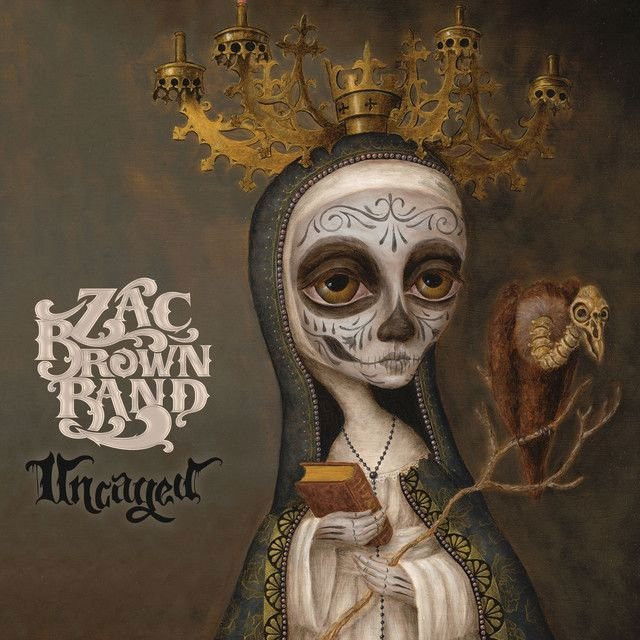
Background makes this song richer. According to Songfacts, Durrette first wrote part of it after time in Anguilla, inspired by the island’s white beaches and blue water. Later, ideas grew in the Florida Keys, and Jason Mraz helped spark the chorus. The song eventually appeared on Zac Brown Band’s 2012 album Uncaged, blending country roots with a Caribbean flavor.
That long writing process matters because the song feels collected rather than rushed. It sounds like memories gathered over time: one verse from travel, one hook from a late-night session, one bridge from a separate idea that finally found its home. That patchwork history fits a song about piecing together a better mental space.
How the Sound Carries the Message
Production and arrangement do a lot of meaning-making here. The groove is easy and sunlit, borrowing from island and coastal styles more than straight country drive. The percussion feels loose, the melody rolls instead of punches, and the band avoids heavy tension.
That musical choice supports the lyrics perfectly. If the song were louder or harder, the message might sound like command. Instead, it feels like invitation. Zac Brown Band often mix country with rock, folk, and jam-band warmth, and this song leans into the breezy side of their sound.
Interpretation: Music as a Place
A useful interpretation is that the song is not only about travel. It is also about what music itself can do. When the bridge says they can be found where music meets the ocean, the song blends sound and landscape into one refuge. In that reading, the real destination is a state of openness created by music.
That helps explain why the lyrics stay broad. Listeners do not need to visit a specific island to understand it. They only need to recognize the feeling of finally unclenching.
Why the Song Still Connects
Part of the appeal is its generosity. The song does not preach or over-explain. It welcomes listeners into a scene and lets them breathe there. Even its title is an invitation instead of a demand.
The meaning of Jump Right In Zac Brown Band is ultimately about trusting joy enough to enter it fully. The beach images, rolling chorus, and island production all support that core idea. They are saying that rest, music, and presence are not luxuries. Sometimes they are exactly what people need.
Final Take on the Song's Message
Their song offers a gentle argument for being present. It says beauty can reset the mind, and that stepping into the moment may be worth the risk of letting go.
This interpretation is based on the lyrics, credited background, and recorded performance. As with any song, listeners may hear meanings that differ from this reading.









