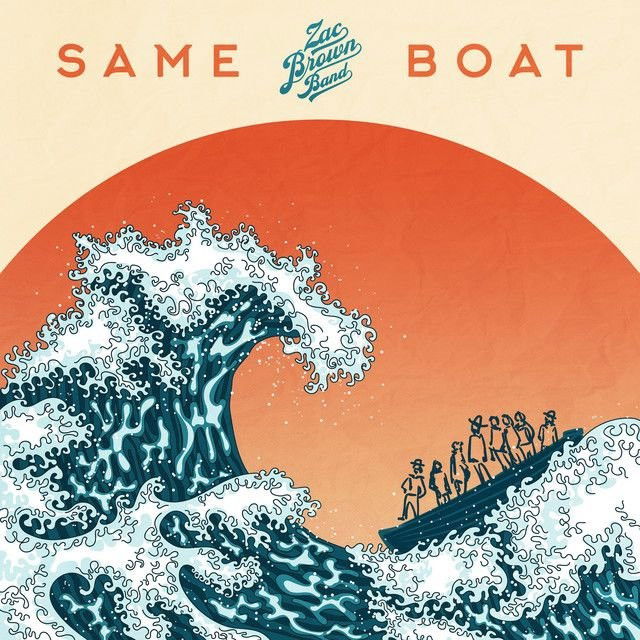
Why 'Same Boat' Turns Unity Into a Chorus
A Plainspoken Message With Timely Roots
The meaning of Same Boat Zac Brown Band starts with a simple idea: people may argue, differ, and struggle in different ways, but they still share the same human worries. The song turns that thought into a warm, easy singalong. Rather than lecture, Zac Brown Band uses familiar images from everyday life to say that nobody is fully alone.
"Same Boat" - Zac Brown Band
Fishing in the same hole
Wondering where the same time goes
Loading lyrics...
Unable to load lyrics
We're unable to display the lyrics at this time. Please try again later.
Factually, the song was released on June 11, 2021, and appeared on The Comeback later that year, with writing credited to Zac Brown, Ben Simonetti, and Jonathan Singleton. Songfacts also notes that Brown wrote it during COVID lockdown as a reminder of shared hardship and the need for kindness as people returned to normal life.
That background matters. A song about common ground can sound vague in another era, but in 2021 it carried the weight of isolation, money stress, and social division. The band frames those pressures through a hook that keeps returning to same boat
, making unity feel less like a slogan and more like a survival skill.

Watch the official Same Boat
music video
How the Chorus Sums Up the Whole Song
The chorus is built from repeated shared images: same hole
, the same lost time, the same broken hearts, and the same hope. Each one lowers the wall between one listener and another. The message is not that every life is identical. It is that pain, uncertainty, and longing are more universal than people often admit.
This is why the hook works so well. It keeps widening the circle. Financial worry, heartbreak, and big dreams all sit side by side. When they sing about hoping hope floats
, they turn the boat image into more than a cliché. Hope becomes the thing keeping everyone above water.
Interpretation: The chorus suggests that empathy begins when people stop ranking whose problems matter most. Instead of competing over hardship, the song asks listeners to recognize a shared emotional weather.
The Verses Push Beyond Agreement
What makes the song stronger than a generic feel-good anthem is that it does not assume everyone thinks alike. One key line paraphrases the idea that people can hold different beliefs and still live together decently. The phrase agree to disagree
points to tolerance, but the next thought goes further: people should not judge until they have walked in someone else’s place.
That shift is important. The song is not just asking for politeness. It is asking for imagination. They want listeners to consider another person’s burdens before dismissing them.
A later verse adds grit. People have all been battered by life, but they are not beaten for good. The song says mistakes can be outrun for a while, yet truth will catch up. In other words, unity does not mean pretending everything is fine. It means facing pain honestly and still choosing compassion.
The Bridge Makes the Moral Point Clear
The bridge is where the song stops hinting and starts guiding. It calls for generosity, restraint, and direct help for people who are struggling. That is the song’s clearest ethical center.
Help somebody that might be struggling
Spread a little love
Those brief phrases give the song its purpose. Shared struggle is not just an observation; it creates an obligation. If everyone is on unstable water, then selfishness endangers the whole group. That idea lands in the warning that if the ship keeps rocking, everyone can go overboard.
Interpretation: This section turns the song from description into action. It argues that empathy should lead to behavior: share what they have, watch their words, and help steady the people around them.
Why the Sound Feels So Uplifting
Part of the reason the song connects is its arrangement. Songfacts describes an upbeat style with hand claps, cheerful whistling, and lively violin, all recorded after the band could finally meet in person again at Southern Ground Nashville. That production choice matters because the lyric deals with stress, division, and hardship, yet the music refuses to sink under that weight.
The bright groove gives the message a community feel. Instead of sounding heavy or mournful, the band sounds gathered together. That makes the song feel lived rather than preached. Its looseness recalls Zac Brown Band’s earlier feel-good side, which helps the message travel to listeners who might resist a more solemn anthem.
The performance also supports the title image. The rhythm moves like a group effort, steady and communal. Their harmonies suggest many voices speaking as one, which fits a song built on first-person plural language.
Artist Context and Broader Meaning
Zac Brown told Audacy, as summarized by Songfacts, that the song was meant to remind people that they had all gone through the same trials during the pandemic and should be kind even when beliefs differ. That statement gives strong evidence for the song’s main intent: unity without sameness.
Still, the song reaches beyond COVID. The meaning of Same Boat Zac Brown Band also works as a wider American message about social strain. The references to money, heartbreak, judgment, and helping others are broad enough to fit many moments, not just one crisis.
A Second Possible Reading
Interpretation: Some listeners may hear the song as a reset for civic life. In that reading, the boat is not only personal hardship but society itself. If people keep fighting without care, the whole vessel becomes unstable. That gives the song a gentle political edge, though it stays focused on values rather than policy.
The Lasting Takeaway
At its core, “Same Boat” says that common humanity matters more than division. Its images are simple on purpose, and its sound keeps the lesson inviting instead of stern. By pairing everyday wisdom with a bright band performance, Zac Brown Band turns empathy into something catchy.
That is why the song lasts. It reminds listeners that they do not need identical beliefs or lives to owe each other grace.
Disclaimer: This article offers interpretation based on the lyrics, release context, and publicly available artist comments. Meanings can vary by listener.







