Why 'Mango Tree' Feels Like a Vacation Vow
The meaning of Mango Tree Zac Brown Band, Sara Bareilles comes down to a simple but powerful idea: love can make a brief moment feel timeless. The song lives in a beach setting, but its deeper message is not really about travel or scenery. It is about two people creating a private world together and wishing they could stay there.
"Mango Tree" - Zac Brown Band ft. Sara Bareilles
To come rising from the sea
We lay undercover
Loading lyrics...
Unable to load lyrics
We're unable to display the lyrics at this time. Please try again later.
That is why the song feels so warm on first listen. It takes the fantasy of paradise and turns it into a promise. Under the shade of one tree, with the ocean nearby, the singers imagine a love so complete that the rest of life can wait.
A Love Song Built on Stopping Time
At the center of the song is a shared desire to pause the clock. The opening scene frames sunrise, sea air, and shelter under a tree as more than pretty details. Those images create emotional protection. The couple is hidden away, almost outside normal life, underneath the mango tree
.
When the lyric asks tomorrow to slow down, it reveals the real tension. They know this perfect moment cannot last forever, so they try to hold it anyway. The phrase time to borrow
suggests a temporary escape. They are not defeating time; they are stealing a little joy from it.
Interpretation: This is what gives the song its sweetness. They are not singing about a hard, tragic love. They are singing about a love that feels so good it makes ordinary time seem like an interruption.

Watch the official Mango Tree
music video
The Chorus Turns Paradise Into Commitment
The chorus makes the song more than a postcard romance. It moves from scenery to devotion. The repeated I love you
is direct and uncomplicated, and the answer they want back matters just as much. This is not one person dreaming alone. It is a duet built on mutual feeling.
The line about turning the world upside down expands the message. In plain terms, they are saying that love changes perspective. What matters most is no longer work, plans, or outside noise. It is just us two
.
Nobody else will do
Only one for me
Those short vows give the chorus a near-wedding feel. That reading fits comments Zac Brown shared via Songfacts, where he said he imagined the track as a “big wedding song.” That context helps explain why the chorus sounds less like a fling and more like a statement of chosen partnership.
The Images of Sand, Wind, and Sea
The verses keep using nature to mirror emotion. Ocean drift suggests surrender. Wind and daydreams suggest lightness. Sand sticking to skin makes the moment feel physical and real, not distant or abstract.
These details matter because they connect body and feeling. The lovers are not discussing love in a formal way. They are living inside it. Even the song’s small sensory touches make the romance feel youthful, playful, and a little hazy.
Another key contrast appears when the day grows older but the couple still feels young. That idea ties love to freedom from adult pressure. For a while, they do not have to be responsible, guarded, or future-focused. They can simply exist in the glow of the present.
Why the Mango Tree Matters as a Symbol
The tree is the song’s main symbol. It offers shade, shelter, and a fixed place in a moving world. The ocean shifts, the sun rises and falls, and tomorrow keeps coming. The tree remains.
Interpretation: In that sense, the mango tree stands for the kind of love they want—lush, rooted, protective, and sweet. A mango also suggests ripeness and pleasure, which matches the song’s rich, tropical mood. The title image turns the beach into something more intimate: not just nature, but a little sanctuary.
It is also helpful that the setting feels specific instead of generic. A “mango tree” is more vivid than simply saying they are in paradise. That detail gives the song personality and helps listeners picture a private corner of the world.
Island Dream, Big-Band Heart
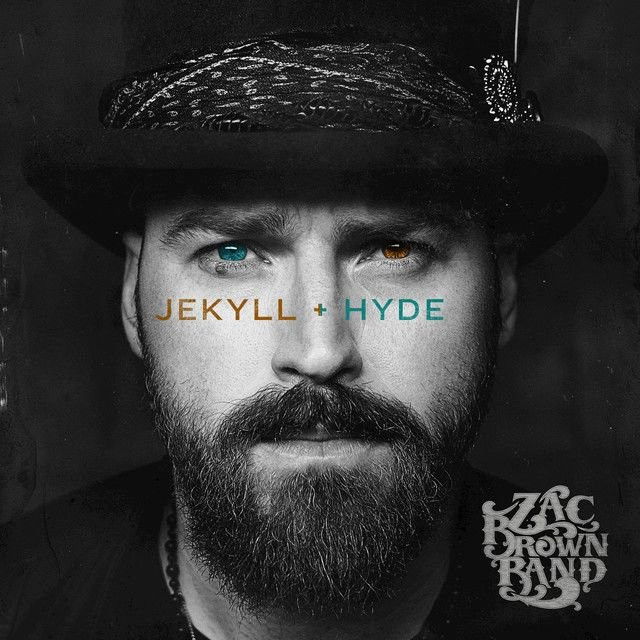
Part of the meaning of Mango Tree Zac Brown Band, Sara Bareilles comes from its musical contrast. According to Songfacts, songwriters Niko Moon and Anna Harwood began it as a ukulele-driven, Jack Johnson-style tune. Zac Brown then reshaped it into a big-band swing arrangement for Jekyll + Hyde.
That choice is crucial. The island imagery says barefoot ease, while the arrangement adds elegance and celebration. Together, they create a rare mix: beach romance dressed for a dance floor. Brown even described the idea as something that could work in “coat and tails,” which explains the song’s polished, festive lift.
Sara Bareilles is central to that effect. Her voice softens the song without making it sleepy. Brown’s vocal brings warmth and earthiness; Bareilles adds shine and charm. As a duet, the track feels balanced, like two people meeting in the same emotional space.
Artist Context and What Listeners Hear
“Mango Tree” appeared on Jekyll + Hyde in 2015, an album known for stretching Zac Brown Band’s sound across genres. In that setting, this song stands out as one of the band’s most easygoing and romantic experiments. It is country in songwriting spirit, but it borrows from pop, swing, and tropical music.
That helps explain listener response. Many fans hear it as escapist and breezy, while others hear a commitment song hiding inside a beach fantasy. Both readings make sense. The production invites relaxation, but the chorus pushes toward exclusivity and long-term devotion.
The Lasting Takeaway
In the end, “Mango Tree” is about lovers building a tiny forever inside a passing day. Its beach images create the dream, but its duet structure and vow-like chorus give that dream emotional weight.
That is why the song lingers. It does not just describe paradise. It suggests that paradise is what happens when two people feel fully chosen by each other.
Disclaimer: This interpretation is based on the released lyrics, recording, and publicly available artist comments. As with any song, listeners may hear meanings that differ from this reading.








