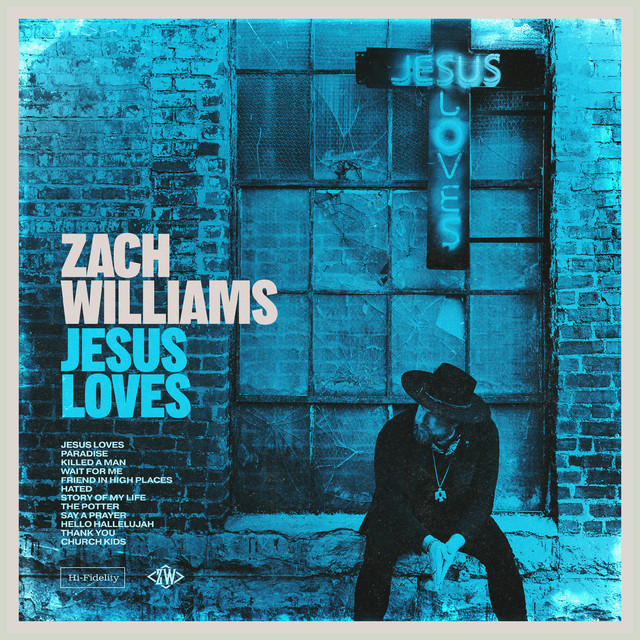
Why “Wait For Me” Feels Like Grace
The meaning of Wait For Me Zach Williams centers on a simple but powerful Christian idea: God does not abandon people when they lose their way. Instead, the song presents faith as patient, steady, and merciful. It is a prayer from someone who knows they have wandered, delayed, and doubted, yet still hopes they can come back.
"Wait For Me" - Zach Williams
I've been lost a little while
Walking all these miles
Loading lyrics...
Unable to load lyrics
We're unable to display the lyrics at this time. Please try again later.
That idea fits Zach Williams’ larger body of work. Across songs rooted in Christian rock and country soul, they often sing about rescue, surrender, and hard-won faith. Here, that message becomes more personal. The voice in the song is not preaching to others. They are admitting weakness and asking God to keep the door open.
The Prayer at the Heart of the Song
The opening verse frames the song as a direct conversation with God. The singer begins with Hey God, it’s me
, which sounds plain and almost hesitant. That matters because it removes distance. This is not formal worship language. It feels like someone speaking after a long silence.
From there, the song describes spiritual exhaustion. The image of walking miles and needing direction suggests a life that has become confusing and heavy. The person speaking is not just physically tired. They are morally and emotionally worn down, unsure how to return to the path they know they need.
Interpretation: the first verse works like a confession. The singer admits they have been trying to manage life alone, and only now realizes they need help. That makes the song less about instant salvation and more about the painful honesty that comes before change.
The Chorus Turns Delay Into Hope
The chorus carries the song’s main emotional message: You wait for me
. In plain terms, the singer believes God remains faithful even while they are late, stuck, or slow to change. The key image is the long way home
, which suggests a person who could have returned sooner but kept circling through old habits.
That phrase is important because “home” does more than name a destination. It suggests peace, belonging, and restored relationship. The problem is not that the singer does not know where home is. The problem is that they keep taking detours.
Stuck on the same old dead-end road
I wanna leave the life I know
These lines summarize the struggle. They know the current life is going nowhere, but familiar pain can still be hard to release. The chorus therefore balances guilt with comfort. The singer says, in effect, “I took too long, but You did not give up on me.”
A Story of Doubt Softening Over Time
In the second verse, the song shifts from confusion to hindsight. The singer now sees they should have turned to God earlier. They admit their heart was hardened by disbelief, then describe God as patient rather than punishing.
That detail shapes the song’s theology. God is not presented as a scorekeeper waiting to condemn failure. God is presented as a guide who keeps offering a better road. When the lyric mentions a straighter path, it contrasts human wandering with divine clarity.
This verse also deepens the emotional arc:
- First, they are lost.
- Then, they confess delay.
- Next, they recognize past resistance.
- Finally, they begin to trust the way forward.
That progression is one reason the song feels encouraging. It does not pretend faith is easy. It shows belief arriving through struggle.
Roads, Distance, and Carrying: The Main Symbols
The meaning of Wait For Me Zach Williams becomes clearer through its repeated travel images. Roads, miles, twists, turns, and home all point to spiritual journey. This is a common faith-based metaphor, but the song makes it feel fresh by focusing on delay instead of rebellion alone.
The “dead-end road” symbolizes repeated mistakes or trapped patterns. “The long way home” suggests not total rejection of God, but avoidance, procrastination, and fear. In other words, the singer is not beyond redemption. They are simply slow to surrender.
Later, the song adds another image: being carried when strength fails. That changes the emotional tone. Earlier, the singer asks for direction. Later, they admit they may not even be strong enough to walk. This expands grace from guidance to support. God does not only show the route; God helps them survive it.
How the Sound Supports the Message
The song was written by Zach Williams, Ben Fuller, and Micah Kuiper, according to the provided credits. That mix of writers makes sense because the lyric combines testimony-style detail with a broad worship-ready chorus.
Musically, the song likely lands where Williams often does: between contemporary Christian, country, and roots-rock textures. That style matters for meaning. A strong, open chorus gives the central promise a communal feeling, while the verses stay conversational and personal.
Interpretation: the contrast between intimate verses and a bigger refrain mirrors the song’s message. Private doubt grows into public reassurance. What begins as one person’s prayer becomes a shared statement of faith.
Why the Song Connects So Easily
A big reason this track resonates is that it names a familiar spiritual fear: not being ready, good enough, or quick enough. Many listeners know what it feels like to keep delaying change while still hoping mercy has not run out.
The song answers that fear with patience. Its message is not that wandering is harmless. It is that grace lasts longer than shame. That is why the apology in the chorus does not end in despair. It ends in welcome.
The Lasting Meaning of “Wait For Me”
At its core, the meaning of Wait For Me Zach Williams is about divine patience meeting human slowness. The singer is honest about weakness, regret, and doubt, but the song refuses to let those things have the last word. Instead, it argues that God remains present through every detour.
For listeners, that makes the song both comforting and challenging. It comforts them by saying they are not abandoned. It challenges them by asking what keeps them on the long road in the first place.
Disclaimer: This interpretation is based on the lyrics provided, songwriting credits supplied, and Zach Williams’ broader artistic style. As with any song, listeners may connect with it in personal ways that go beyond this reading.








