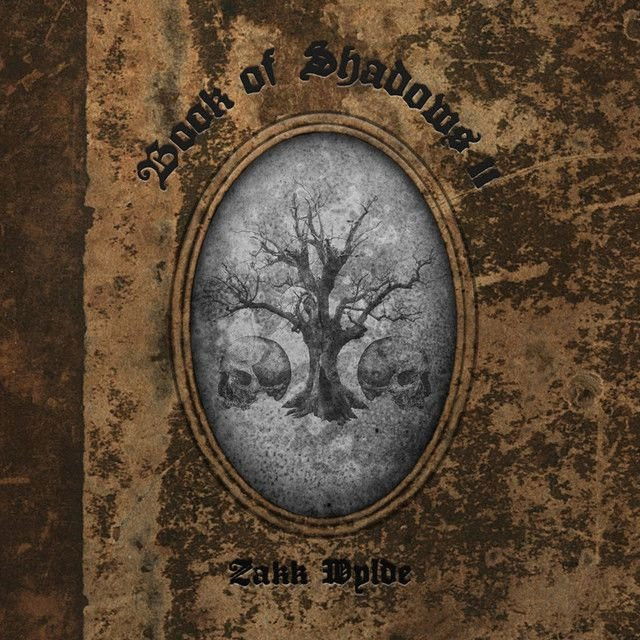
Lost Prayer by Zakk Wylde
They don’t need to be a Zakk Wylde superfan to feel the pull of this song. The meaning of Lost Prayer Zakk Wylde centers on choosing hope and boundaries when a relationship cycles through the same hurt.
"Lost Prayer" - Zakk Wylde
You say that your life isnt fair
What's right and what's wrong
Loading lyrics...
Unable to load lyrics
We're unable to display the lyrics at this time. Please try again later.
A circle breaks: what the song is really saying
At its core, the song is a refusal to keep enabling someone’s despair. The opening admission—You say that you’re damned
—sets the tone. The narrator hears the other person’s hopelessness but won’t get pulled under.
Interpretation: this is a moment of tough love. The speaker won’t repeat old patterns even if it’s lonely to stand apart. They accept uncertainty but commit to forward motion.
Watch the official Lost Prayer
music video
Who’s speaking, and where do they stand?
The voice is first person, talking directly to a “you.” When the refrain insists, I will not walk through that door
, it signals a boundary. The door represents re-entering the same argument, habit, or destructive comfort.
Even as they draw that line, the narrator isn’t cruel. They recognize confusion—I may be blind
—yet they still choose to move. The song’s empathy is real, just no longer enabling.
The loop they’re leaving behind
The verses sketch a familiar cycle: On and on we drift
back to the same place. Promises and apologies keep breaking; nothing changes.
The turning point arrives with a severing: the narrator has cut you free
. Interpretation: that “cut” isn’t revenge; it’s release. They’re letting both people stop pretending and find a healthier path.
What the chorus really says
In the chorus, the narrator reframes doubt as faith-in-action. They admit they can’t see the future and still choose hope.
I may be blind but I’ll find my way
Like a lost prayer on a stormy day
Interpretation: a “lost prayer” suggests a small, fragile hope that might never be heard—but it’s offered anyway. The storm is life’s turbulence. Even in bad weather, a whispered intention can guide the next step.
Symbols and images decoded
- The storm: emotional crisis, chaos, or relapse moments. The phrase
on a stormy day
gathers all that noise into one image. - The door: a threshold the narrator refuses to cross again. It stands for patterns they will not repeat.
- Blindness: uncertainty. Admitting “blindness” gives the courage to proceed without guarantees.
- The drifting: stagnation disguised as movement. Drifting “on and on” is wasted effort without direction.
- The “prayer”: not strictly religious—more like an intention or vow. A private plea to live better.
How the sound carries the message
While Wylde is a metal icon, this track lives in his Book of Shadows II palette: acoustic guitars, piano/organ shading, and a steady mid-tempo pulse. The arrangement feels rain-soaked but warm—roomy drums, clean strums, and a vocal that rasps with weariness without surrender.
His phrasing lingers on the hook, stretching the vow to “find my way.” The repetition mirrors a mantra—something said until it sticks. Subtle dynamics (a fuller chorus, slight lift in backing instrumentation) underline resolve without bombast. It’s a prayer whispered loud enough to be heard over the weather.
Context that shapes the reading
Zakk Wylde’s solo work often trades pinch harmonics for heart-on-sleeve balladry. Book of Shadows II (2016) revisits the reflective, Americana-leaning sound he first mapped in the 1990s. That context matters: the meaning of Lost Prayer Zakk Wylde turns on humility and endurance, not swagger. It’s about a craftsman who knows storms come and go—and so do unhealthy ties.
Alternate angles that still fit
- Interpretation: Recovery boundary. The narrator may be addressing someone wrestling with self-destruction. The “door” is a relapse cycle; the prayer is their own commitment to stay sober, or to protect their peace.
- Interpretation: Self-address. The “you” could be an earlier self. They refuse to “walk through that door” of fatalism again and speak a small prayer for a different life.
Both readings align with the motifs of drifting, storm, and a fragile-but-stubborn hope.
Takeaway that lingers
This song isn’t about winning an argument. It’s about refusing to be lost with someone else. The narrator chooses a quiet, persistent faith—small as a “lost prayer,” steady as a traveler who keeps moving in rain.
Disclaimer: Song meanings are interpretive and can vary by listener. This analysis reflects one close reading of the lyrics and sound.







