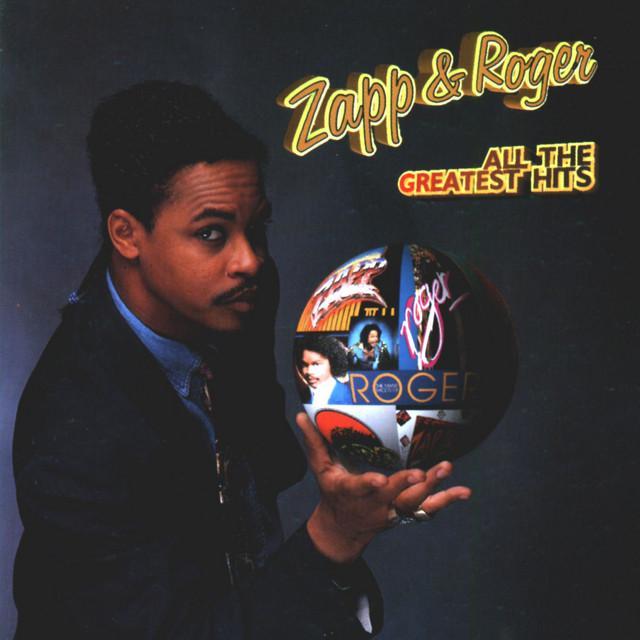
Why Zapp's 'More Bounce' Still Hits
The meaning of More Bounce to the Ounce Zapp starts with a simple idea: this is a dance record built to make bodies move. But its staying power comes from more than a catchy hook. Zapp turned a very small lyric idea into a whole world of motion, swagger, and groove.
"More Bounce to the Ounce" - Zapp
More bounce
More bounce
Loading lyrics...
Unable to load lyrics
We're unable to display the lyrics at this time. Please try again later.
Released in September 1980 as Zapp's debut single and the opening track on their debut album, the song was written by Roger Troutman and produced by Troutman with Bootsy Collins. It became a major R&B hit, reaching No. 2 on the U.S. R&B chart and helping introduce Zapp's futuristic funk style to a wide audience. Later, it became one of the most echoed grooves in hip-hop and electro history.
A Hook About Motion, Not Plot
On the surface, the song is direct. The singer calls people to the floor, admires a dancer, and keeps returning to the famous phrase more bounce to the ounce
. There is almost no story in the usual sense.
That is the point. Instead of telling a narrative, the track creates a physical feeling. The repeated words act like a chant. They promise extra energy, extra rhythm, and extra movement. In plain terms, the song says: come dance, loosen up, and feel the groove more deeply.
Interpretation: the word "bounce" works on two levels. It refers to dancing, especially body movement, but it also suggests musical spring and force. The song is selling momentum itself.
Watch the official More Bounce to the Ounce
music video
The Title's Double Meaning
The title did not come from nowhere. It echoes a 1950s Pepsi slogan, a phrase later reworked into something funkier by Roger Troutman. In the song, that old advertising line becomes playful and physical.
That switch matters. An everyday slogan is transformed into Black dance-floor language. What once sold soda now sells style, sound, and confidence. The phrase feels funny, a little cheeky, and instantly memorable.
Interpretation: that playful recycling fits funk traditions. Funk often takes ordinary language and turns it into attitude. Here, the phrase becomes a compact way to describe abundance: more groove per second, more pleasure per beat.
Who They Are Talking To
Most of the lyrics point outward. Lines like get on the dance floor
and shake it, mama
show that the speaker is addressing a dancer directly. The focus is social, not private.
There is also flirtation. When the singer notices a sexy girl like you
, the song becomes a bit of a come-on. Still, it never turns into a deep romance song. The admiration is immediate and tied to movement, style, and presence.
That helps explain the song's tone. It is less about one person's inner feelings and more about shared energy in a room. The singer is a hype man, host, and admirer all at once.
How the Sound Carries the Meaning
The biggest reason the song feels larger than its lyric sheet is the production. Zapp built it around a slow, thick funk groove, then layered talkbox vocals, handclaps, vocal chants, and a rubbery rhythm section. The result feels mechanical and human at the same time.
Roger Troutman's talkbox is crucial. It makes the voice sound half-robot, half-spirit, as if the groove itself is speaking. That effect gave Zapp a signature sound and helped define electro-funk in the early 1980s.
Songfacts reports that an earlier version was called "Funky Bounce," and Bootsy Collins said George Clinton encouraged the team to loop one section and build around it. That detail matters because the final track does feel loop-driven: hypnotic, circular, and made for extended dancing.
Wait a minute
get down
Even in that brief moment, the lyrics do not really interrupt the groove. They reset it. The command creates tension, then drops the listener right back into motion.
Why Repetition Is the Whole Strategy
Some listeners hear very few words and assume there is very little meaning. But repetition is the meaning here. Funk often works by drilling one phrase into the body until it stops feeling like language and starts feeling like rhythm.
That is exactly what happens with more bounce to the ounce
. By the fifth or tenth repetition, it no longer sounds like a normal sentence. It becomes percussion.
Interpretation: the song is about pleasure through repetition. It trusts groove over explanation. Rather than describe dancing in detail, it makes the listener experience a dance command again and again.
The Song's Legacy Explains Its Power
The track's afterlife says a lot about what Zapp achieved. It influenced later records, including Tom Tom Club's "Genius of Love," with Chris Frantz praising its relaxed but hard-edged feel. It was also sampled widely by rap artists such as EPMD, Ice Cube, and The Notorious B.I.G.
That history is important to the meaning of More Bounce to the Ounce Zapp because the song became more than a party track. It turned into a building block. Producers and rappers kept returning to it because the groove was so open, durable, and instantly recognizable.
In other words, its meaning expanded over time. What began as a local-feeling dance-floor anthem became a bridge between P-Funk, electro, and hip-hop.
The Real Message Beneath the Party
At its core, the song celebrates release. It invites people to move, show off, and enjoy the room they are in. There is flirtation, yes, but the bigger message is bodily freedom.
That is why the song still lands. It does not ask listeners to solve a puzzle. It gives them permission to feel cool, loose, and alive.
Final Bounce
So, what is "More Bounce to the Ounce" about? Factually, it is a 1980 electro-funk classic by Zapp built on dance commands, talkbox style, and a monumental groove. Interpretation: beneath that simplicity, it is a song about turning repetition into joy and motion into identity.
Meanings in songs can vary from listener to listener, and this interpretation is one reading based on the lyrics, sound, and documented context.








