Why 'Akimbo' by Ziak Feels Like a Threat
The meaning of Akimbo Ziak starts with pressure. This is not a reflective ballad or a loose brag track. It sounds like a warning shot. Across the song, they present a speaker who mixes apology, menace, money talk, and distrust into one tight identity.
"Akimbo" - Ziak
Parlons peu, pardon maman, pardon Dieu (pardon)
Ton, ton gars n'est pas dangereux, il a pas, il a pas b'soin d'fer, ni d'baveux ('veux)
Loading lyrics...
Unable to load lyrics
We're unable to display the lyrics at this time. Please try again later.
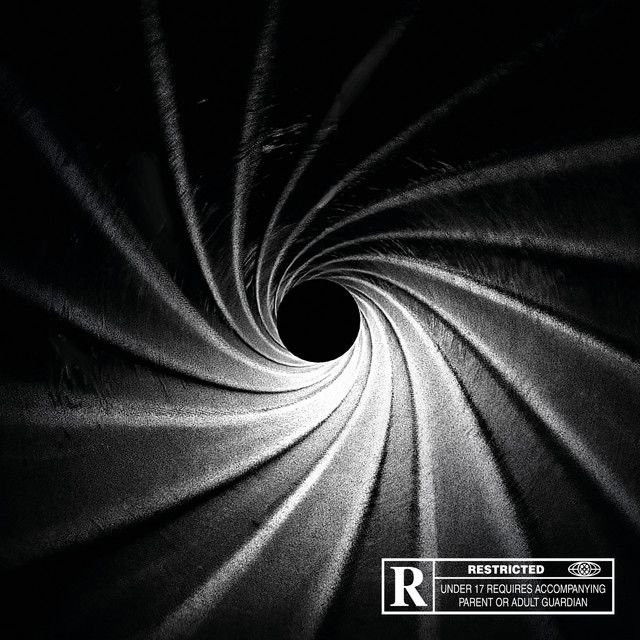
For U.S. listeners who may not know every bit of French street slang, the core idea is still clear: this is a song about power in a hostile world. The title image, the repeated hook, and the cold delivery all push the same message. They want control, and they want rivals to know it.
A Hook Built on Guilt and Force
The song’s hook is the fastest way into its meaning. Ziak opens with pardon maman, pardon Dieu
, which brings in family and religion before the threats even fully land. That matters because it frames the violence as something the speaker knows is morally heavy.
Right after that, the track turns defensive and aggressive. The claim that someone is not dangerous is clearly ironic, because the rest of the song is full of warnings, retaliation, and domination. When they repeat la jalousie, ça rend miséreux
, jealousy becomes a key theme. Rivals are not just enemies; they are bitter people driven by envy.
Then comes the central image: Akimbo, j'en ai deux
. In common use, “akimbo” suggests dual-wielding. Interpretation: here it signals more than a weapon image. It stands for over-preparedness, excess force, and the need to stay two steps ahead.

Watch the official Akimbo
music video
The Speaker’s World Is Built on Survival
Much of the track works like a status report from a dangerous environment. The speaker talks as if respect is always unstable and violence is always near. Even casual lines carry the idea that weakness gets punished.
That is why money talk and street talk sit together. They mention selling different things, including music, which blurs the line between rap career and criminal image. This overlap is important to the meaning of Akimbo Ziak: success does not erase danger. If anything, success creates more jealousy, more attention, and more tests.
A Short Story of Escalation
The verses move in a rough sequence:
- They set a tense moral frame with apology.
- They mock rivals as fake or fragile.
- They promise retaliation if challenged.
- They connect that power to money, reputation, and survival.
This structure keeps the song from feeling random. Each boast answers a perceived threat.
Why the Song Keeps Attacking “Fake” People
One of the strongest themes is authenticity. Ziak spends part of the song tearing down opponents who act tough but do not live what they claim. A line like c'est pas un bandit
is less about one person than about exposure. In this world, being seen as fake is almost worse than being weak.
There is also a music-industry subtext. When the lyrics take shots at releases, features, and streams, they suggest that visibility can be manufactured. Interpretation: Ziak seems to be contrasting earned fear and earned respect with artificial fame.
That gives the song an extra layer. It is not only a street record. It is also a rap-credibility record.
Sound First, Meaning Second—But They Match
Even without official production details confirmed here, the beat clearly draws from modern French drill and dark trap. The instrumental is sparse, low, and punchy, leaving lots of room for Ziak’s clipped delivery. That matters because the song’s message depends on restraint as much as intensity.
Instead of sounding chaotic, the performance sounds controlled. The threats feel colder because they are delivered so flatly. Ad-libs like Glock
work as sonic punctuation, not just content. They interrupt the flow like flashes of steel.
The repetition in the hook also helps. By circling back to the same phrases, the track creates a ritual feeling. This is not a one-time outburst. It sounds like a code they live by.
The Most Revealing Contradiction in the Lyrics
The song’s most interesting tension is simple: the speaker asks forgiveness while embracing brutality. That contradiction gives the track more depth than a basic drill anthem.
pardon maman, pardon Dieu
la jalousie, ça rend miséreux
Those two short ideas pull in opposite directions. One faces upward toward morality; the other looks outward toward enemies. Interpretation: the song suggests that the speaker still recognizes moral judgment, but feels trapped in a world where force is the only safe language.
A Second Reading of “Akimbo”
There is a literal reading of the title image, but there is also a symbolic one. Interpretation: “two” may point to split identity. Ziak is both artist and outlaw figure, both commercially visible and socially isolated, both sorry and unrepentant.
That reading fits the recurring contrasts in the song:
- apology vs. intimidation
- fame vs. street legitimacy
- envy from others vs. self-protection
- religion vs. violence
Seen this way, the song is about armor. They build a persona so severe that nobody can question it.
What 'Akimbo' Ultimately Says
The meaning of Akimbo Ziak is not subtle, but it is layered. On the surface, the song is a display of force, contempt for rivals, and readiness for conflict. Underneath, it is about living in a mindset where respect feels fragile and aggression becomes a survival tool.
That is why the song lingers. It is not just telling listeners that the speaker is dangerous. It is showing why they believe danger must be part of their identity.
Disclaimer: This interpretation is based on the lyrics, performance, and genre context available here. As with most rap songs, some lines may mix real experience, exaggeration, character work, and provocation.







