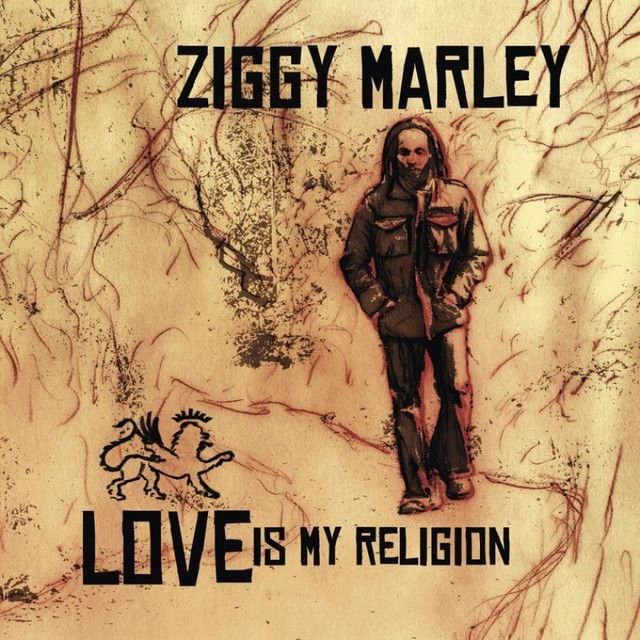
Why “Love Is My Religion” Still Resonates
The meaning of Love Is My Religion Ziggy Marley comes through fast: this is a song about choosing love as a moral code, a spiritual path, and a way to resist conflict. Instead of preaching one strict belief system, they frame love itself as the highest truth.
"Love Is My Religion" - Ziggy Marley
Love is my religion
Love is my religion
Loading lyrics...
Unable to load lyrics
We're unable to display the lyrics at this time. Please try again later.
That idea helps explain why the song has lasted. Released as the title track of Ziggy Marley’s 2006 album Love Is My Religion, it became one of their signature songs and helped define that era of their solo career. Factually, Ziggy Marley is the son of Bob Marley and a major reggae artist in their own right, with the album earning major recognition, including a Grammy for Best Reggae Album.
A Chorus That Turns Feeling Into Belief
At the center of the song is the repeated line Love is my religion
. It sounds simple, but the phrase does two jobs at once. First, it lifts love above romance and turns it into a guiding principle. Second, it uses religious language to suggest devotion, discipline, and faith.
Interpretation: They are not saying love is just an emotion. They are saying it should shape how people live. That matters because the verses keep contrasting inner truth with external rules, making the chorus feel like a final answer after a long search.
The other key phrase, take it or leave it
, keeps the song from sounding forceful. The message is offered freely. In other words, they believe in love deeply, but they do not want to impose that belief on anyone else.
Watch the official Love Is My Religion
music video
The Search Ends Inside, Not in Doctrine
The verses describe a long search for meaning. Early on, the narrator says they have looked through old systems of belief and knowledge before deciding what really matters. The song briefly refers to sacred texts and learned traditions, but then shifts inward.
That shift becomes clear in the contrast between searching outside sources and searching my mind
. The point is not that books have no value. It is that personal truth, compassion, and self-knowledge may matter more than inherited dogma.
This is where the song’s strongest ethical idea appears. The narrator says I don't condemn, I don't convert
, which rejects two common forms of spiritual control: judgment and pressure. They do not want to shame people, and they do not want to recruit them.
Interpretation: The song suggests that real spiritual maturity looks less like winning arguments and more like making room for others.
Love as Freedom, Not Control
A big reason listeners connect to the song is its openness. Even when the lyrics use words like temple, calling, and soul, the tone stays warm and welcoming. The invitation is broad rather than exclusive.
That comes through in the image of gathering people together. When the song calls for bringing lovers in, it imagines a community built on care, not rules. It also promises that no one is gonna lose their soul
, which calms a common fear behind many religious debates: that openness leads to moral loss.
Instead, the song argues the opposite. Love protects the soul better than judgment does. In that sense, the track feels both spiritual and social. It speaks to private belief, but also to public division.
A Gentle Anti-Conflict Message
Another important layer in the meaning of Love Is My Religion Ziggy Marley is peace. The song does not simply praise love in abstract terms. It uses love as an answer to anger and struggle.
That is why the line about not wanting to fight matters so much. The mood turns playful and light, even a little childlike, with the image of escaping tension and letting the spirit rise. The music supports that move. Instead of sounding heavy or severe, the arrangement feels relaxed, buoyant, and sunlit.
How the Sound Carries the Message
The production leans into reggae’s familiar strengths: a steady groove, offbeat rhythm guitar, rounded bass, and an unhurried pulse. Those elements make the song feel grounded and inviting.
Ziggy Marley’s vocal delivery also matters. They sing with calm conviction rather than fiery intensity. That choice keeps the song from becoming a sermon. It sounds like a conversation, or even a reassurance, which fits a lyric built on acceptance.
Interpretation: The music acts out the message. It does not push, because the song itself rejects pushing people.
Romantic Song or Universal Prayer?
The song works on at least two levels, and that flexibility is part of its power.
- Personal reading: It can be heard as a love song between two people. In this version, love becomes a private sanctuary, almost a sacred bond.
- Universal reading: It can also be heard as a wider statement about humanity. Here, love becomes a social ethic that rises above religious division.
Both readings fit the lyrics. The song moves easily between intimate promises and broad spiritual language, which lets different listeners find their own entry point.
Why the Message Endures
Part of the song’s staying power comes from Ziggy Marley’s larger artistic context. As an artist shaped by reggae’s history of resistance, spirituality, and unity, they continue a tradition that sees music as both healing and moral witness.
Still, this track stands out because it avoids harshness. It does not attack religion outright. It simply argues that any belief without compassion has missed the point. That makes the message feel generous rather than divisive.
In the end, the meaning of Love Is My Religion Ziggy Marley is that love is not just a feeling to enjoy. It is a practice, a worldview, and a form of freedom. The song says people do not need more judgment. They need more grace.
Disclaimer: This interpretation is based on the lyrics, performance, and cultural context. Like any song, it can support more than one valid reading.








