Why 'Tomorrow People' Warns Against Empty Progress
The meaning of Tomorrow People Ziggy Marley & The Melody Makers starts with a challenge. This is not just a song about youth, fashion, or the future. It is a warning about what happens when people chase tomorrow but lose touch with yesterday.
"Tomorrow People" - Ziggy Marley & The Melody Makers
Tomorrow people, how long will you last?
Tomorrow people, where is your past?
Loading lyrics...
Unable to load lyrics
We're unable to display the lyrics at this time. Please try again later.
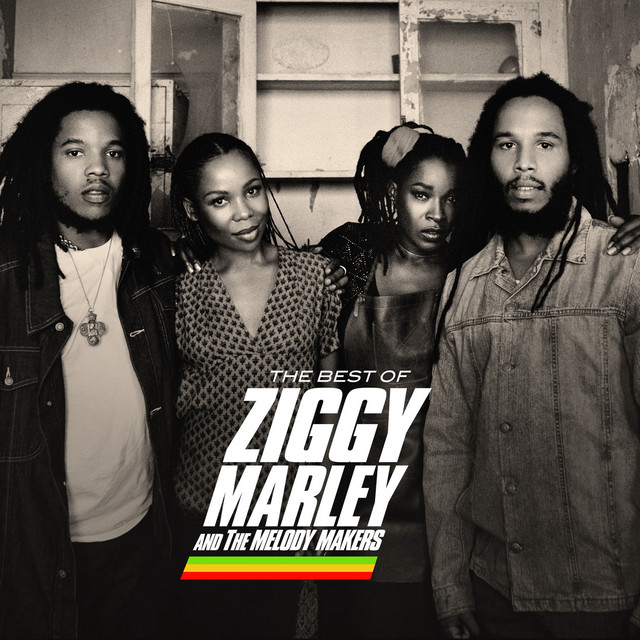
Released in 1988 on Conscious Party, the song became the first Top 40 U.S. hit by a Marley, a major milestone for Ziggy Marley & The Melody Makers. It also helped the album win the Grammy for Best Reggae Album. Those facts matter because the song arrived at a moment when Ziggy was stepping into a huge legacy while trying to define his own voice.
A Future With No Memory
At its core, the song questions people who talk about progress but seem detached from history, community, and care. The hook asks, where is your past?
and how long will you last?
Those are simple words, but they hit hard.
The song suggests that a future without memory is weak. It is not enough to move fast, look modern, or claim to be ahead of the times. The lyrics push back against shallow ambition and ask whether those people have any real foundation.
Interpretation: the “tomorrow people” are not one specific group. They can stand for trend-chasers, social climbers, or even a whole generation tempted to forget its roots.
Watch the official Tomorrow People
music video
The Song’s Main Moral Is Clear
One of the strongest ideas comes late in the song: don't know your past
and you won't know your future
. That line gives the whole track its center.
In reggae, history is rarely just personal. It often includes ancestry, struggle, injustice, and cultural survival. So when the song talks about the past, it likely means more than nostalgia. It points to identity itself.
The warning is also moral. The lyric about there being no love in your heart
says the problem is not only forgetfulness. It is also emotional emptiness. If people lose love and memory together, the song argues, they lose hope as well.
Who They Are Singing To
The voice of the song speaks directly to a restless, unreliable type of person. One moment they say they are present; the next, they disappear. The phrase you're gone so long
captures that pattern of inconsistency.
That makes the song feel personal and social at the same time. It sounds like they are talking to flaky individuals, but also to larger systems of power and privilege. When the song says some are flying high
while others stay low, it points to imbalance.
Interpretation: this can be heard as a class critique. Some people enjoy status and distance, while others live with the consequences below.
How the Chorus Turns Questions Into Judgment
The chorus is built from repeated questions, and that matters. Instead of preaching, the song keeps asking. But those questions are not neutral. Each repeat adds pressure.
By returning again and again to the missing past and uncertain future, the chorus turns catchy pop structure into a moral test. It is memorable enough for radio, yet sharp enough to carry a serious message.
Tomorrow people, where is your past?
Tomorrow people, how long will you last?
That brief refrain works because it is both singable and accusatory. It sounds almost like a chant at first, then lands like a verdict.
The Sound: Traditional Reggae Meets 1980s Reach
The production helps explain why the song connected beyond reggae audiences. Conscious Party was produced by Tina Weymouth and Chris Frantz of Talking Heads, with Jerry Harrison playing Hammond B-3 on the track. Songfacts also notes that the album balanced traditional reggae with newer production ideas.
That blend fits the song’s meaning. The groove stays rooted in reggae, but the arrangement is polished and accessible. The beat feels warm, the chorus is direct, and the band sounds tight rather than raw. The result is a song about roots that was built to travel.
This is important in context. Ziggy Marley & The Melody Makers had already released two albums before Conscious Party, but this record widened their U.S. reach. Their lineup—Ziggy, Cedella, Stephen, and Sharon Marley—also gave the harmonies a family unity that strengthens the song’s message.
Ziggy Marley’s Position in 1988
Ziggy was still very young when this song broke through. Songfacts reports that he was 19 when “Tomorrow People” was released, and comparisons to Bob Marley were unavoidable.
That background adds another layer to the meaning of Tomorrow People Ziggy Marley & The Melody Makers. The song can sound like a young artist claiming continuity rather than imitation. He was not simply copying his father’s themes. He was applying them to his own generation, asking whether they would carry history forward or abandon it.
Final Meaning: Progress Needs Roots
The lasting power of “Tomorrow People” comes from its balance. It is catchy, but skeptical. It is youthful, but deeply concerned with memory. It sounds hopeful, yet it refuses easy optimism.
The clearest reading is this: the song argues that real progress must be built on love, history, and responsibility. A person or society that forgets its past may look modern for a while, but it will not last.
That is why the track still feels relevant. Every era has its own “tomorrow people.” The song keeps asking whether they are building a future—or just drifting toward one.
Disclaimer: This article offers interpretation based on the song’s lyrics, context, and production history. Meaning can remain open to different listeners.







