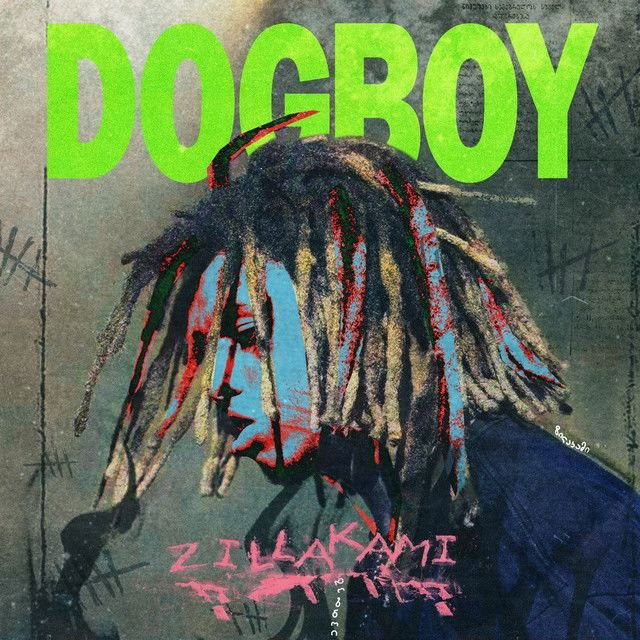
Nissan Only by ZillaKami Meaning Explained
The meaning of Nissan Only ZillaKami starts with a simple but memorable image: a beat-up, fast-moving car turned into a symbol of danger. The song is loud, ugly on purpose, and built around confrontation. Rather than telling a deep plot, it throws the listener into a reckless headspace where motion, weapons, sex, and threats all blend into one identity.
"Nissan Only" - ZillaKami
(Vader)
They think shit don't really be what it be, but it do (okay)
Loading lyrics...
Unable to load lyrics
We're unable to display the lyrics at this time. Please try again later.
A Cheap Car Becomes a Whole Persona
On the surface, the track is about pulling up in a Nissan and being ready for chaos. But the Nissan matters because it is not a luxury flex. It suggests something more raw and street-level, closer to a tuned-up project car than a polished status symbol. That changes the song’s tone.
When they repeat I got my Nissan
, the line works like a mission statement. The car stands for mobility, aggression, and a kind of anti-glamour. This is not elegant rap excess. It is rough, improvised, and proud of it.
Interpretation: the Nissan is a badge of identity. In this reading, the song says power does not need to look expensive. It only needs to feel fast, unpredictable, and feared.
Watch the official Nissan Only
music video
Threats, Taunts, and Adrenaline
Much of the song’s energy comes from direct provocation. Lines about firearms, pursuit, and retaliation create a constant feeling of imminent violence. The narrator is not calm; they sound overstimulated, daring anyone nearby to test them.
A phrase like hot pursuit
helps show that this world is always moving. They are not waiting for danger. They are driving into it. Elsewhere, the threats become almost cartoonishly intense, which makes the song feel more like a performance of menace than a documentary account.
That matters for the meaning of Nissan Only ZillaKami. The lyrics are built less around realism than around pressure. Every bar tries to raise the stakes. The result is a persona that seems fueled by speed, ego, and the thrill of being feared.
The Hook Turns Repetition Into Identity
The chorus is simple, and that simplicity is the point. It keeps circling back to the same objects and choices: the car, the weapon, the invitation, the threat. When they ask you wanna ride?
, the question is not friendly. It draws a line between being with them and being against them.
The companion line you wanna die?
makes the hook even clearer. In this song’s logic, every interaction becomes a test. Ride along, slide, or become a target. That black-and-white worldview gives the track its blunt force.
Interpretation: the chorus shows how the narrator reduces life to instinctive choices. There is no room for doubt, nuance, or safety. That narrowed mindset is part of what makes the song feel so tense.
Drugs, Sensation, and a Wired Mind
The lyrics also mention psychedelics and physical sensation. When they say I like acid
, it adds another layer to the song’s unstable mood. The narrator is not only aggressive; they are chasing altered states, more speed, more intensity, more feeling.
That connects with another idea in the song: being hyper-alert without rest. The track describes a body and mind running too hot, almost beyond control. Even when the words boast confidence, the feeling underneath is volatile.
This is where the song gets more interesting than a basic threat record. It hints at a person who needs constant stimulation. Violence, drugs, drifting, and taunting all serve the same emotional function: they keep the rush alive.
Car Culture as Symbol, Not Just Detail
Car references do a lot of work here. The lyrics mention modifications, drifting, clutch control, and turning a cheap vehicle into a drift missile
. That language places the song inside a specific performance culture where skill, nerve, and recklessness overlap.
The Nissan is important because it fits that image. It suggests a car that can be pushed hard, customized, and made dangerous. In many rap songs, luxury vehicles symbolize success. Here, the low-cost tuner aesthetic symbolizes defiance.
Why that image fits ZillaKami
ZillaKami is widely associated with abrasive, punk-leaning rap through work connected to City Morgue and a heavier trap-metal style, as covered by outlets like The FADER and Complex. That background helps explain why this song favors grit over polish. The appeal is not aspiration in the usual sense. It is impact.
How the Production Pushes the Meaning
The tag Is that Shoki on the beat?
frames the production as part of the track’s identity. Factually, the user-provided credit lists JUnius Rogers as writer, while the vocal tag suggests Shoki’s involvement on the beat. Without a full official credits page, it is safest to say the song presents producer-tag culture as part of its aesthetic.
Sonically, the beat feels blunt and forceful. The rhythm leaves room for shouted ad-libs, and the repeated responses of okay
make the threats sound almost playful. That contrast matters. The song is menacing, but it also knows how exaggerated it is.
Interpretation: the production turns the lyrics into a moving vehicle. The drums hit like revs and impacts, while the repetitive hook mimics the loop of obsession. The track does not just describe danger; it sonically acts it out.
Final Take on the Song’s Message
The meaning of Nissan Only ZillaKami is about more than one car. It is about making a whole worldview out of speed, hostility, and stripped-down pride. The Nissan becomes a symbol for a life that is improvised, armed, and always ready to swerve into chaos.
For some listeners, that will read as pure shock rap. For others, it is a portrait of adrenaline addiction and identity-building through danger. Both readings fit the song’s design.
Disclaimer: This interpretation is based on the lyrics, performance, and available artist context. Song meaning can remain open, and different listeners may hear it differently.








