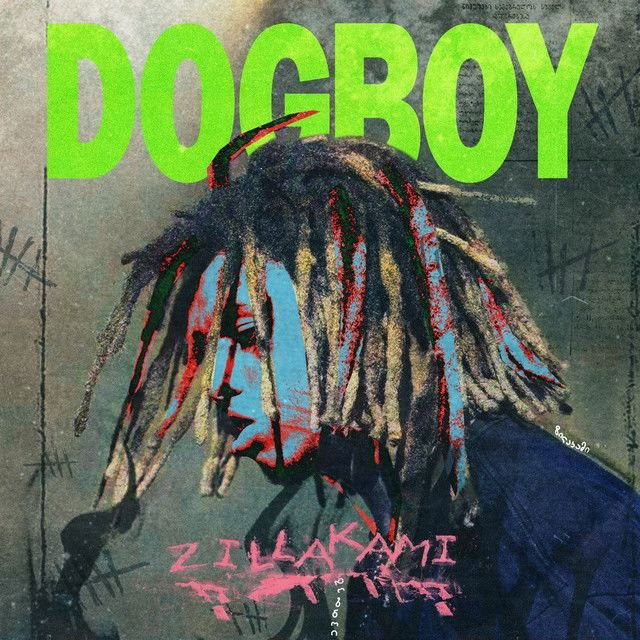
Why “Not Worth It” by ZillaKami Hurts So Much
The meaning of Not Worth It ZillaKami comes through fast: this is a song about feeling loved on the outside but empty on the inside. Instead of asking for sympathy, the narrator pushes people away before they can get too close. That makes the track feel raw, defensive, and deeply sad at the same time.
"Not Worth It" - ZillaKami
Nobody that's who
I can't be the center of attention 'cause I'm not that cool
Loading lyrics...
Unable to load lyrics
We're unable to display the lyrics at this time. Please try again later.
ZillaKami, known for mixing chaos, pain, and confession in their music, has built a reputation through solo work and City Morgue releases. Broad artist background can be found through major music profiles such as AllMusic and Genius artist pages. In this song, they strip that energy down to something more exposed: not rage at the world, but rage turned inward.
The Song’s Core: Love They Cannot Accept
At its heart, the song is about self-worth collapsing. The narrator hears support from others, yet they answer that care with disbelief. When they say everybody loves me
, the line is not comforting. It sounds almost like a burden.
The chorus matters because it frames the biggest contradiction in the track. People around them may see value, but the narrator insists they do not deserve it
. That creates the song’s main tension: outside love versus inner rejection.
Interpretation: This is not just insecurity. It sounds more like a person who has repeated negative beliefs so often that they now treat them as facts.

Watch the official Not Worth It
music video
Behind the Voice: A Narrator at War with Themselves
The verses show someone who feels unable to live honestly in public. Early on, the narrator suggests they have to act tougher and cooler than they really feel. The phrase the wolf in the room
points to that false role: strong, dangerous, in control.
But the very next ideas tear that image down. They retreat, avoid attention, and admit that home is the only place where they can stop performing. When they say I stay home
, it reflects more than introversion. It signals emotional shutdown.
A Short Emotional Timeline
- They reject the idea that anyone truly needs them.
- They admit they fake confidence in public.
- They withdraw to be alone and feel real.
- They confess they cannot even help themselves.
- They imagine a better life shaped by self-trust they never had.
That progression gives the song structure. It moves from defensive anger to confession, then to regret.
The Chorus Turns Self-Doubt Into a Verdict
The hook is so painful because it does not sound like a passing mood. It sounds like a sentence already decided. The narrator believes others will eventually discover they were not worth it
, as if disappointment is inevitable.
That idea appears twice in slightly different ways, and the small changes matter. In one chorus, they say they do not know their purpose. In the next, they say they do nothing on purpose. Together, those lines suggest two linked fears:
- They do not know why they exist.
- They do not trust their own actions.
This is what makes the song hit so hard. The narrator is not only sad; they feel fundamentally defective.
Isolation, Sleep, and the “Halo” Image
One of the most revealing details is the song’s use of private, almost spiritual imagery. The mention of a halo suggests a glimpse of innocence, peace, or the person they wish they could be. But they can only picture that version of themselves when alone.
There is also a repeated pull toward sleep and withdrawal. Rather than solving problems, the narrator collapses into rest and fantasy. Sleep becomes a form of escape, while dreams hold the life they think they missed.
Interpretation: The halo may represent the self they cannot live as, while sleep represents temporary relief from guilt, pressure, and inner noise.
How the Sound Supports the Meaning
Even without heavy lyrical detail, the mood does a lot of the storytelling. ZillaKami often works in a space where rap, punk, trap, and grunge textures overlap, a style noted by outlets covering their catalog such as Revolver and HotNewHipHop. “Not Worth It” fits that emotional blend by sounding drained rather than explosive.
The performance style is crucial. Instead of attacking every line, they sound weighed down by them. That makes the song feel less like a dramatic speech and more like thoughts leaking out after a long internal fight.
The repetition in the chorus also mirrors depressive thinking. The same harsh belief returns again and again, with only slight changes, like a thought loop the narrator cannot break.
A Possible Reading of the Hardest Lines
The verse that says they cannot help others because they cannot help themselves is important. It turns the song outward for a moment. The narrator is not only drowning in self-hate; they are afraid of becoming useless or harmful to someone else.
That fear adds a tragic layer to the song. Their rejection of love may be partly protective. If they believe they will only disappoint people, pushing them away starts to feel like mercy.
Interpretation: The song can be heard as both self-attack and warning. The narrator may be saying, “Do not depend on me, because I do not trust what I am.”
Why the Song Connects So Deeply
The meaning of Not Worth It ZillaKami resonates because it captures a familiar but hard-to-explain feeling: being seen by others and still feeling invisible to yourself. It understands how depression can twist affection into guilt and support into pressure.
That is why the song lingers. It does not offer a clean lesson or recovery arc. It stays inside the uncomfortable truth that some people cannot believe kind things about themselves, even when they hear them clearly.
Final Thought on Its Message
“Not Worth It” works because it is brutally direct without becoming complicated. It gives listeners a portrait of someone trapped between performance and collapse, wanting peace but expecting rejection.
That honesty is what makes the song so affecting. Interpretation disclaimer: song meaning is never fully fixed, and this reading is an informed interpretation based on the lyrics, delivery, and ZillaKami’s broader artistic style.








