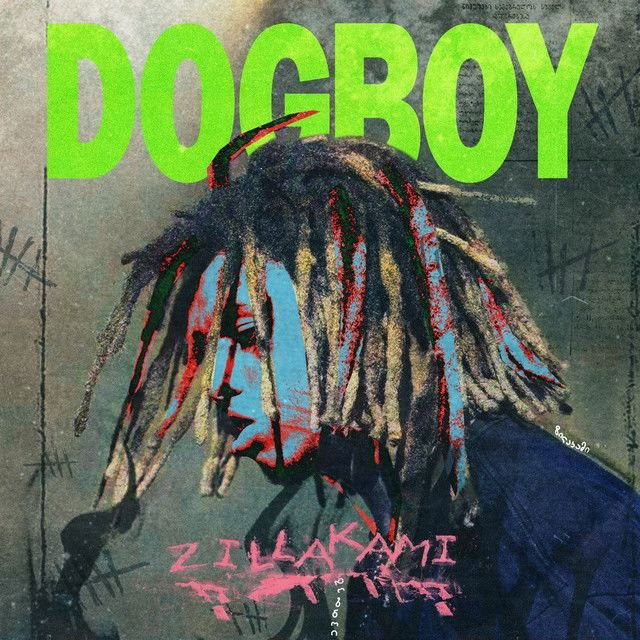
Why ZillaKami’s “Space Cowboy” Hurts So Much
The meaning of Space Cowboy ZillaKami comes through as grief wrapped in horror-story detail. On the surface, the song tells a tragic narrative about a young person called Fear. Under that surface, it becomes a song about neglect, guilt, and the way death can keep living in the minds of the people left behind.
"Space Cowboy" - ZillaKami
Fear was a dog from my side of the tracks
Took a little walk and he never came back
Loading lyrics...
Unable to load lyrics
We're unable to display the lyrics at this time. Please try again later.
ZillaKami has often worked in a lane where rap, rock, and metal moods meet, so this kind of heavy emotional storytelling fits their broader style. In this song, though, they do not just aim for shock. They build a funeral-like ballad where the images are vivid, the chorus is strangely tender, and the emotional target is sorrow.
A Death Story Told Like a Ghost Tale
The verses tell a clear sequence. Fear disappears, people search, and then the body is found near the creek with a note. The writing is blunt and visual, which makes the events feel immediate rather than abstract.
One key phrase is Fear was a dog
. That line does more than describe a person. It turns Fear into a symbol of loyalty, vulnerability, and being treated as less than human. When the song later repeats all dogs go to Heaven
, it sounds like an attempt to give dignity to someone who did not receive enough of it in life.
Interpretation: the song uses that dog image to show both affection and social cruelty. Fear may be a specific character, but they also stand for abandoned kids, outsiders, or anyone the community failed to protect.

Watch the official Space Cowboy
music video
The Chorus Turns Tragedy Into Farewell
The hook is what gives the song its title and emotional center. When the chorus says I’ll see you in space, cowboy
, it sounds like a goodbye sent into the unknown. It does not describe healing in a neat way. Instead, it suggests distance so large that ordinary language cannot cover it.
That is why the refrain hits so hard. The verses are earthy and physical: woods, creek, backpack, gun, blood. The chorus suddenly widens the frame to heaven, space, and afterlife language. It is as if the mind cannot bear the facts, so it reaches for myth.
Interpretation: “space cowboy” can mean a lost soul drifting somewhere beyond reach. It may also imply escape from a world that offered no comfort.
Where the Song Places the Blame
The most important shift comes when the lyrics stop describing the death and start judging the people around it. The song says nobody cared
while Fear was alive. That detail changes everything.
Now the track is not just about one act of violence or self-destruction. It becomes an accusation. The anger widens from private mourning to public guilt, even ending with blame aimed outward and inward. The narrator is not innocent either, and that matters.
This self-implication gives the song more weight. Many sad songs point at one villain. “Space Cowboy” suggests a broader failure: neglect, numbness, and the habit of noticing someone only after they are gone.
Nightmares, Visions, and Trauma After the Fact
The repeated sleep imagery makes the song feel haunted. The narrator sees the dead figure again at night, with a hovering blood shadow
overhead. That image sounds supernatural, but it also fits trauma.
In plain terms, the song shows how violent loss follows survivors into sleep. They cannot breathe, cannot cry out, cannot fully process what happened. Those details resemble panic, shock, and recurring memory.
Interpretation: whether the ghost is literal or symbolic does not really matter. The point is that death has become a presence. It hangs over the narrator and refuses to leave.
How the Sound Supports the Meaning
The production credit in the provided lyrics points to Yung Germ, whose work often leans into dark, blown-out atmosphere. That style is important here. The song’s likely power comes from contrast: a melodic, almost mournful chorus against grim storytelling in the verses.
That mix helps explain the meaning of Space Cowboy ZillaKami. If the instrumental feels spacious or floating, it supports the chorus’s cosmic goodbye. If the low end and vocal delivery feel rough, they keep the story tied to violence and street-level reality. The result is a song that feels split between burial and escape.
This also matches ZillaKami’s larger artistic identity, where emotionally raw performance often matters as much as technical polish. The cracked, heavy tone can make grief sound more believable than a cleaner approach would.
A Useful Contrast With Another “Space Cowboy”
There is an obvious title echo with Steve Miller Band’s classic “Space Cowboy,” a song from 1969’s Brave New World. According to American Songwriter, Miller later said he and Ben Sidran wrote the words quickly and that he was unhappy with the final mix, even though listeners embraced its psychedelic-blues energy.
That older song used space imagery with irony and social critique. ZillaKami’s version, by contrast, uses similar cosmic language for mourning. The overlap in title does not mean the songs share the same message. If anything, the difference makes ZillaKami’s use of the phrase feel more tragic.
The Core Meaning in One View
At its heart, this song is about what happens when a person suffers in plain sight and care arrives too late. It tells a death story, but its real target is indifference. The farewell in the chorus sounds loving, yet it also admits failure: the living could not keep Fear here.
That is why the song lingers. It is brutal without being empty, emotional without sounding sentimental, and symbolic without losing the plot.
I’ll see you in space, cowboy
And all dogs go to Heaven
Those lines sum up the whole song: a broken goodbye, a hope for mercy, and a painful sense that mercy should have come sooner.
Disclaimer: This interpretation is based on the lyrics provided and publicly available context. Song meaning can remain open, and listeners may hear different emotional or symbolic layers in it.








