Why 'Azul' by Zoé Hurts So Quietly
For listeners searching for the meaning of Azul Zoé, the song lands as a breakup story told through obsession, memory, and emotional aftershock. Rather than describing a dramatic fight, Zoé builds the song around what remains after love ends: routines, flashbacks, and the shock of learning the other person has moved on.
"Azul" - Zoé
Tú, que me orbitas como el sol
Tú, pegada a la pared
Loading lyrics...
Unable to load lyrics
We're unable to display the lyrics at this time. Please try again later.
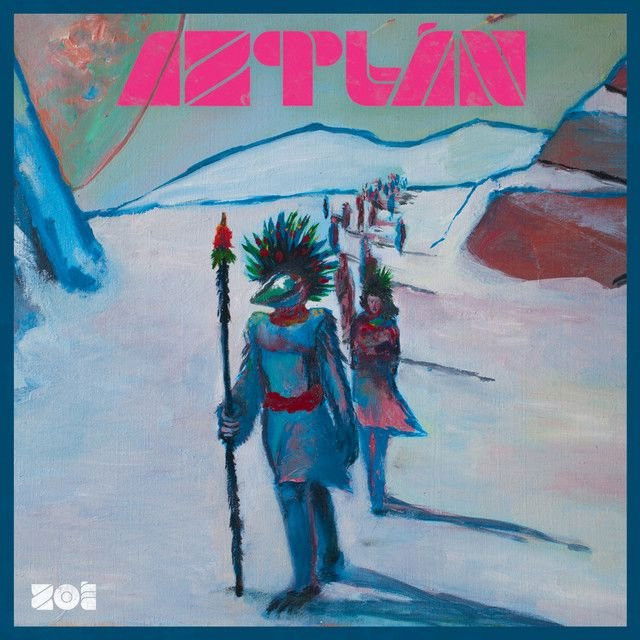
Released as a single on March 1, 2018, and later included on Aztlán, released April 20, 2018, “Azul” arrived during an important return for the Mexican alternative rock band Zoé. The song was also nominated for Best Alternative Song at the 2018 Latin Grammys, a sign of how strongly it connected with listeners.
A breakup song about memory, not action
At its core, “Azul” is about someone who cannot stop seeing a former lover everywhere. The lyric keeps returning to tú
, which turns the other person into the center of every thought. They are not present in real life anymore, but they still dominate the speaker’s inner world.
That is the key to the meaning of Azul Zoé: absence feels more powerful than presence. The speaker describes the ex as if they still orbit his life, live inside his mind, and appear in ordinary spaces. In simple terms, the relationship is over, but the attachment is not.
Interpretation: The song suggests that heartbreak is not just sadness. It is also repetition. The mind keeps replaying the person until memory becomes its own trap.

Watch the official Azul
music video
How the verses turn details into pain
One of the strongest things about “Azul” is how specific its images are. Instead of using abstract language only, the song shows glimpses: como el sol
, debajo del mantel
, and en el retrovisor
. Each phrase is short, but each one places the lost person somewhere physical.
That matters because the speaker is not remembering one clean goodbye. He is haunted by fragments. A glance in a rearview mirror, a body leaning against a wall, someone crying on a platform: these are snapshots, not a full story.
The blue dress as emotional symbol
The song’s title points to the image vestido azul
. Blue can signal calm, but here it leans toward melancholy. The title turns color into mood.
Interpretation: The blue dress may represent the one detail memory refuses to release. After a breakup, people often do not remember everything equally. They remember one look, one place, one color. Zoé makes that selective memory the whole emotional engine of the song.
Why the chorus feels so devastating
The chorus explains the emotional condition clearly: the speaker is falling apart because of absence, yet at the same time does not want to see the other person again. That contradiction is one reason the song feels real.
Estoy cayéndome a pedazos por tu ausencia
Y lo peor es que no quiero verte nunca
Those lines show grief and self-defense happening together. He misses the person deeply, but seeing them again might make the pain worse. Then the song adds another wound: the ex has forgotten him and, later, has someone else.
This is where “Azul” becomes more than longing. It becomes humiliation, disbelief, and the painful awareness that healing is not happening at the same speed for both people.
The habit of love is the real prison
One of the sharpest ideas in the song is being trapped in the hábito de amarte
. That phrase shifts the meaning from romance to routine. Love is no longer presented as passion alone. It has become something automatic.
That is a smart emotional insight. Many breakup songs focus on missing a person. “Azul” goes further and focuses on missing the structure built around them. The speaker is addicted not only to who they were, but to the daily act of loving them.
Interpretation: This line may be the song’s deepest point. The real struggle is not whether the relationship can return. It is whether the speaker can stop performing a feeling that has nowhere to go.
How Zoé’s sound carries the meaning
Zoé has long been known for alternative rock mixed with psychedelic and space-rock textures, according to the band overview on Wikipedia. That broader style matters here. Even when “Azul” is direct in its writing, the band’s sound gives the emotion a floating, dreamlike quality.
The instrumentation supports the theme of being mentally stuck between past and present. The guitars shimmer instead of attack. The rhythm feels steady but not aggressive. León Larregui’s vocal delivery sounds wounded without becoming theatrical.
This balance is one reason the song works so well. It does not scream heartbreak. It drifts through it. That restraint makes the sadness feel closer, as if the speaker is replaying the breakup alone rather than performing it for an audience.
Where “Azul” fits in Zoé’s story
“Azul” came from Aztlán, a major chapter in Zoé’s catalog after Prográmaton. The band, formed in Cuernavaca in 1994, had already built a reputation across Mexico, Latin America, Spain, and the United States through albums like Memo Rex Commander and Reptilectric source.
That context helps explain why “Azul” stands out. It carries the band’s atmospheric identity, but it also delivers one of their clearer emotional narratives. The result is a song that feels poetic without becoming hard to follow.
The simplest reading of “Azul”
In the end, the meaning of Azul Zoé is the pain of loving someone after they have already left emotionally. The speaker cannot stop seeing the ex in memory, cannot break the habit of devotion, and cannot bear the fact that they have moved on.
That is why the song hurts so quietly. It is not about the moment love ends. It is about the slower, lonelier period after, when the body and mind still act as if the relationship exists.
Disclaimer: This interpretation is based on the lyrics, the song’s imagery, and publicly available release context. As with many Zoé songs, listeners may hear different meanings in its symbols and emotional tone.








