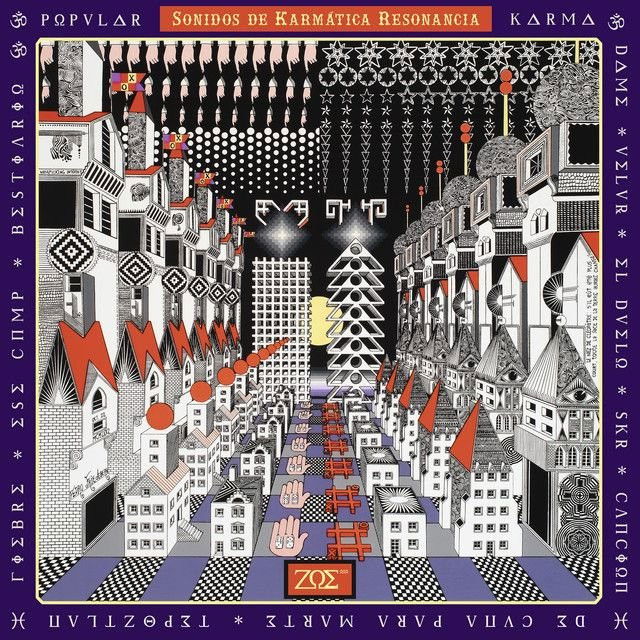
Karmadame by Zoé
Why This Song Feels Like Advice and a Goodbye
The meaning of Karmadame Zoé centers on release. The song speaks like a voice pushing someone toward change, grief, and emotional growth. Instead of offering comfort through denial, it asks them to stop resisting life and accept that healing often starts when control ends.
"Karmadame" - Zoé
Tienes que soltar eso que más temes perder
Tienes que llorar si eso te ayuda a sanar
Loading lyrics...
Unable to load lyrics
We're unable to display the lyrics at this time. Please try again later.
That idea appears early, when the lyric urges a person to let things fall into place and to release what they fear losing most. The direct language of dejar que todo caiga
and soltar eso
makes the message sound almost spiritual, but also practical. They are not hearing a fantasy. They are hearing a hard truth: pain has to move through them before it can move out of them.

Watch the official Karmadame
music video
The Core Meaning of "Karmadame"
At its heart, this song is about surrender as transformation. The speaker tells someone to cry, to stop waiting for time to return, and to accept growth instead of fighting it. In plain terms, the song treats change as unavoidable, but not meaningless.
Interpretation: The title itself suggests a blend of fate, consequence, and femininity. "Karma" hints at cycles and emotional debts, while "dame" can evoke a woman, a muse, or even an archetype. That gives the song an aura of mystery, but the lyrics stay grounded in personal healing.
The line about ríndete al amor
is key. The song is not only about romantic love. It can also mean surrender to love as a force that breaks the ego and teaches acceptance. That broadens the meaning of Karmadame Zoé beyond a breakup song.
A Speaker With Many Faces
One of the most striking parts of the lyric is the repeated list of identities. The speaker says they were king, slave, saint, devil, woman, brother, and more. This is the song's emotional center because it shows total involvement in another person's life.
Fui tu rey
Fui tu esclavo
Fui tu santo
Fui tu diablo
Before and after that list, the song suggests the speaker became whatever the other person needed or projected. They were powerful and powerless, pure and flawed, intimate and familial. Later images like skin, shoulder, blood, and boat deepen that feeling. The speaker was not just a lover. They were support, shelter, and reflection.
Interpretation: This can be heard in two ways:
- They are describing the roles people play in deep relationships.
- They are showing how losing oneself for another person can become unhealthy.
Both readings fit the song.
Growth Requires Leaving Comfort Behind
The second half of the song becomes more confrontational. It warns against ignoring darkness and says nothing changes if a person repeats the same habits. The phrase sal de tu confort
makes the song sound like a challenge. It pushes the listener away from numbness.
This matters because the earlier lines about crying and letting go could sound passive on their own. Here, the song adds action. Healing is not only surrender. It is also courage.
That balance gives the lyric weight. They are not told to wait for life to fix itself. They are told to face discomfort, begin again, and stop pretending the shadow side does not exist.
The French Lines Add Distance and Mystery
Near the end, the song briefly shifts into French. That sudden change creates emotional distance and a dreamlike mood. Even without overreading every word, the section seems to ask what is missing, what comes after, and whether material gain can really satisfy.
Interpretation: This moment may represent confusion after emotional collapse, or a more universal question about what truly calms the human heart. The language switch makes the song feel less literal and more floating, as if the speaker has moved from argument into reflection.
How Zoé's Sound Carries the Message
Zoé are known for blending alternative rock with dreamy textures, a style widely noted in coverage of the band and their catalog, including sources like AllMusic and the band's profiles on major platforms such as Spotify. That matters here because the music softens the force of the words without weakening them.
The production likely works through atmosphere more than aggression: layered guitars, a spacious mix, and a vocal delivery that feels intimate rather than theatrical. León Larregui's writing often favors poetic images over strict storytelling, and that approach suits a song about emotional surrender. According to the songwriting credit provided here, the song was written by León Rubén Larregui Marín.
Instead of sounding like a lecture, the track feels like a trance. That is important. The lyrics ask for painful honesty, but the music gives that honesty a floating, almost compassionate frame.
Artist Context Helps Explain the Ambiguity
Zoé have long worked in a space where romance, mysticism, and inner searching overlap. In that context, "Karmadame" fits their artistic identity well. The song is personal enough to feel like a direct message, but abstract enough to invite many readings.
For U.S. listeners who may not catch every nuance in Spanish or French, the emotional architecture still comes through clearly. The repeated identities, the commands to let go, and the warnings about comfort all point to one central struggle: a person cannot become whole while clinging to what must end.
The Lasting Takeaway
The meaning of Karmadame Zoé is ultimately about transformation through surrender. It portrays love as something that can heal, expose, and destabilize at the same time. The speaker seems to tell someone that growth begins when they stop bargaining with time and start accepting change.
Interpretation: The song may be addressing a lover, but it also sounds like a message to the self. That dual meaning is part of what makes it linger.
Disclaimer: This interpretation is based on the lyrics, available artist context, and the song's musical presentation. As with any poetic work, listeners may hear different meanings.







