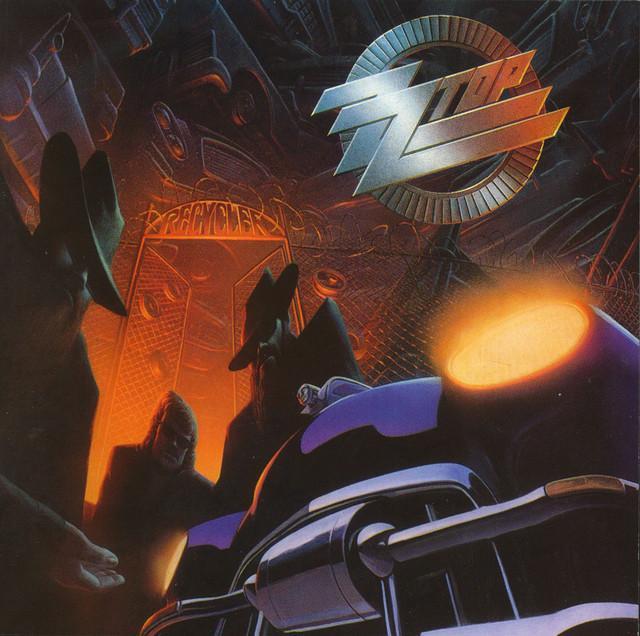
Why '2000 Blues' Feels So Heavy
The meaning of 2000 Blues ZZ Top comes down to a simple but painful idea: some kinds of regret cannot be fixed with money, movement, or even imagination. The song turns emotional pain into big numbers and vivid images, showing how heartbreak can feel endless.
"2000 Blues" - ZZ Top
Wouldn't touch the price I paid
Of the hundred thousand moments
Loading lyrics...
Unable to load lyrics
We're unable to display the lyrics at this time. Please try again later.
ZZ Top are often remembered for swagger, grooves, and sharp humor, but they have always had deep roots in Texas blues. In this song, they lean into that tradition. Instead of sounding flashy, they sound worn down, patient, and honest.
The Heart of the Song: Regret That Won't Lift
At its core, the song is about a person living with the aftershock of a relationship loss. They look back and realize that the real cost was not financial. It was time, missed chances, and the emotional damage left behind.
The opening idea makes that clear. The singer says a fortune cannot match what they paid emotionally. When they mention a hundred thousand moments
, they are not really counting. They are showing how memory multiplies pain.
The key phrase 2000 blues
works like a nickname for depression, heartbreak, and emotional exhaustion all at once. It sounds personal, but also broad enough to suggest a whole era of sadness. Interpretation: the number may not be literal. It likely acts as a stylized way to make sorrow feel large, modern, and hard to escape.

Watch the official 2000 Blues
music video
How the Verses Build the Story
Each verse adds a new angle on the same hurt. The structure is simple, but that simplicity helps the feeling land.
First turn: the price of staying or leaving
The first verse is full of second-guessing. The singer thinks about what it cost not to stay, then admits that even unlimited resources would not change the result. That is a classic blues move: stating a problem, then admitting there is no easy cure.
In plain terms, they are saying the damage is already done. No reward, no bargain, and no late fix can undo it.
Second turn: weather as emotion
The next verse shifts into natural imagery. Even ten thousand clouds
and endless rain cannot clean away the inner mess. The line about dust and haze turns emotional confusion into something physical.
That matters because rain usually symbolizes cleansing. Here, it fails. The singer says they searched for answers and still could not rinse off the sadness. Interpretation: this suggests guilt as much as grief. They do not just miss someone; they may blame themselves.
Third turn: escape fantasy
The last verse gets more dramatic. The singer imagines an airplane, a co-pilot, and a trip to another planet. This is not just romantic longing. It shows how far they would go to close the distance.
Even that fantasy becomes trapped inside the same mood. The machinery, tracking, and countdown sound precise, but the destination is still emotional, not practical.
I'd fly to a planet
closest to you
Those brief lines capture the song's deepest wish: not to conquer the world, but simply to get near the person who is gone.
Why the Hook Hits So Hard
The chorus-like return to 2000 blues
gives the song its weight. It is short, memorable, and blunt. Every verse builds outward with money, weather, or space-travel imagery, then collapses back into the same stuck feeling.
That repetition matters. In blues writing, a repeated phrase often acts like proof that the problem keeps returning. Here, the hook says that no matter what image the singer reaches for, the truth is unchanged: they are still hurting.
For listeners, that makes the song feel relatable. People often cycle through the same thoughts after a breakup. They imagine different outcomes, cleaner endings, or dramatic reunions. Then they wake up to the same ache.
The Sound Supports the Meaning
Part of the meaning of 2000 Blues ZZ Top comes from how it sounds. ZZ Top's catalog often mixes blues with boogie, hard rock, and studio polish. But on Rio Grande Mud, their early style was still closely tied to stripped-down electric blues.
That matters here. The groove feels steady rather than fast. The guitar tone carries grit instead of sparkle. The rhythm section keeps things grounded, which makes the sadness feel lived-in rather than theatrical.
Billy Gibbons, Dusty Hill, and Frank Beard wrote the song, and their teamwork shows. Gibbons' guitar gives the track its sting, while the bass and drums avoid overplaying. The result is space. That empty room in the arrangement mirrors the emptiness in the lyrics.
Vocally, the performance sounds less like grand tragedy and more like weary acceptance. They do not sell the song with huge drama. They let the images do the work.
A Few Strong Symbols
Several motifs shape the song's emotional world:
- Big numbers: They make pain feel overwhelming and impossible to measure.
- Rain and clouds: These usually promise relief, but here they fail.
- Dust and haze: They suggest memory, confusion, and emotional residue.
- Flight and planets: They show desire for escape and reunion.
Together, these images suggest a person who wants both answers and distance, but cannot get either.
One Main Reading, Plus Another
The most direct reading is heartbreak. A lost relationship has left the singer with regret that time cannot erase.
Interpretation: there is also a wider reading. Because the title uses a number, the song can feel like a portrait of modern alienation. The sadness is not only about one person. It can also sound like a fear that progress, technology, and scale do not make people less lonely.
Final Take on ZZ Top's Sad Count
In the end, the meaning of 2000 Blues ZZ Top is about emotional debt that keeps collecting interest. The singer tries money, weather, and even science-fiction escape, but none of it beats loss.
That is why the song lasts. It takes huge images and points them back to a very human truth: when regret settles in, it can make the whole world feel too small and too far away.
Disclaimer: This interpretation is based on the released lyrics, musical context, and documented artist background. As with any song, listeners may hear different meanings.







