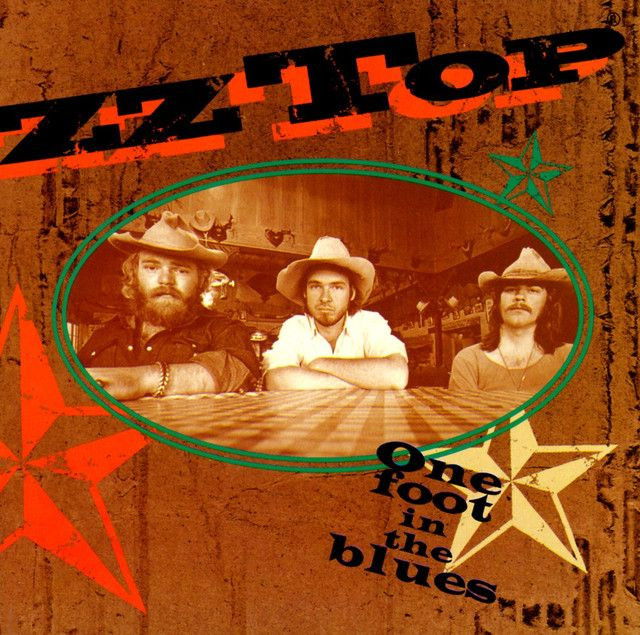
Bar-B-Q by ZZ Top
A Small Song With a Big Texas Attitude
The meaning of Bar-B-Q ZZ Top starts with something simple: a man teasing, asking, and flirting through food. On the surface, the song sounds almost silly. They build the whole piece around a repeated request, with the singer pushing a lover to make some of her famous barbecue.
"Bar-B-Q" - ZZ Top
Well, now, baby, tell me why don't you?
Aw, baby, tell me why don't you?
Loading lyrics...
Unable to load lyrics
We're unable to display the lyrics at this time. Please try again later.
But simple does not mean empty. Early ZZ Top often worked this way. They took old blues patterns, added Texas wit, and turned everyday talk into something suggestive, funny, and musical. According to ZZ Top’s First Album era history, the band’s earliest material leaned hard on blues structure, boogie rhythms, and sly humor, all of which fit this track well.
Watch the official Bar-B-Q
music video
What the Song Is Really About
At the most direct level, the song is about desire. The singer keeps circling the same plea, asking why his partner will not make him some Bar-be
. That request sounds literal, but the repetition gives it a second meaning.
Interpretation: like many blues songs, food works as a stand-in for affection, attention, or sex. The lyrics do not explain much because they do not need to. The whole point is the tension between asking and getting denied.
The repeated lines tell me why don't you
and want to make me some
show a speaker who is needy, pushy, and playful at once. He is not telling a story with clear events. He is stuck in one emotional moment: craving something and trying charm, rhythm, and persistence to get it.
How the Repetition Creates Meaning
One idea, turned into a groove
Nearly every line returns to the same request. In writing terms, that might seem thin. In blues terms, it is the engine of the song. Repetition makes the desire feel stronger each time.
They keep hearing the singer ask, hesitate, and ask again. That creates humor, but it also suggests obsession. He cannot move past this want, so the lyric itself cannot move far either.
No, babytell me why don't youmake me some
That short section sums up the whole emotional setup. He pleads, pushes, and tries again. The lack of detail is part of the design.
Why the song sounds half-joking
The phrase fine famous
adds a comic touch. It makes the request sound exaggerated, almost like he is flattering her cooking to win her over. That is important to the meaning of Bar-B-Q ZZ Top: the song is not a confession of heartbreak. It is a performance of desire, delivered with a grin.
The Blues Tradition Behind the Joke
ZZ Top came out of Houston in 1969 and built their early sound on electric blues, boogie, and Texas swagger, as noted in the band’s career overview. “Bar-B-Q” fits that foundation. It uses a familiar blues move: take a basic need, repeat it, and let listeners decide how literal it is.
That double meaning matters. In classic blues, references to food, cooking, and hunger often point beyond the kitchen. Here, barbecue becomes a symbol of pleasure that is promised, imagined, or withheld.
Interpretation: the singer may be asking for a meal, but the emotional charge suggests more than dinner. He wants to be taken care of. He wants intimacy. He wants proof that he is wanted back.
Sound and Production: Why It Feels So Loose
The song’s meaning does not live in lyrics alone. It also comes from the band’s stripped-down performance. Early ZZ Top songs often rely on gritty guitar, a steady rhythm section, and a casual vocal approach instead of polished studio shine.
That matters here. The rough groove makes the request feel lived-in, like a late-night jam rather than a formal statement. Billy Gibbons’ vocal style sounds conversational, almost tossed off, which helps the humor land. He does not oversell the lyric. He lets the rhythm do the seducing.
The likely effect on listeners is twofold:
- the groove makes the repeated lines catchy
- the relaxed delivery keeps the song from sounding too serious
- the blues arrangement leaves room for innuendo
So even with few words, they communicate character. The singer comes off as hungry, amused, and a little shameless.
A Portrait of Early ZZ Top
“Bar-B-Q” also says something about who ZZ Top were before the giant MTV era. Later, they became famous for glossy videos, synth textures, and massive hits. Early on, they were a much rawer band, rooted in barroom blues and regional flavor.
This track captures that identity. It is compact, local, and earthy. Even the title points toward Texas culture. Barbecue is not just food in that setting; it is social ritual, pride, and sensual pleasure. Using it as a central image makes the song feel grounded in place.
That is one reason the meaning of Bar-B-Q ZZ Top connects beyond its tiny lyric sheet. It shows how the band could turn a regional detail into a mood. They make barbecue sound funny, tempting, and slightly dangerous all at once.
Alternate Readings Worth Considering
There are two strong ways to hear the song.
Reading one: a comic food song
In this reading, the track is exactly what it seems: a playful blues number about wanting someone’s cooking. The exaggeration, repetition, and praise all fit a light comic performance.
Reading two: a coded seduction song
Interpretation: in this reading, barbecue is a metaphor for romantic or sexual satisfaction. The constant asking, the praise, and the intimate address to baby
support that idea.
Both readings can be true at once. That overlap is part of the blues tradition and part of ZZ Top’s style.
Final Take on the Song’s Meaning
The meaning of Bar-B-Q ZZ Top is less about plot than attitude. The song turns a repeated request into a joke, a flirtation, and a blues ritual. Through a few simple phrases, they present desire as hunger and hunger as performance.
Its charm comes from how little it explains. The band trust the listener to hear the wink inside the words and the want inside the groove.
Disclaimer: This interpretation is based on the released lyrics, musical context, and ZZ Top’s broader blues style. As with many blues songs, some meanings remain open to listener interpretation.








