Why "Consumption" Turns Vice Into Escape
ZZ Top’s “Consumption” sounds simple on the surface: a few repeated lines, a barroom setting, and a rough blues groove. But the meaning of Consumption ZZ Top runs deeper than a drinking song. It presents a speaker who wants relief so badly that alcohol starts to look like a new identity, not just a temporary fix.
"Consumption" - ZZ Top
Ain't gonna find me here
Consumption
Loading lyrics...
Unable to load lyrics
We're unable to display the lyrics at this time. Please try again later.
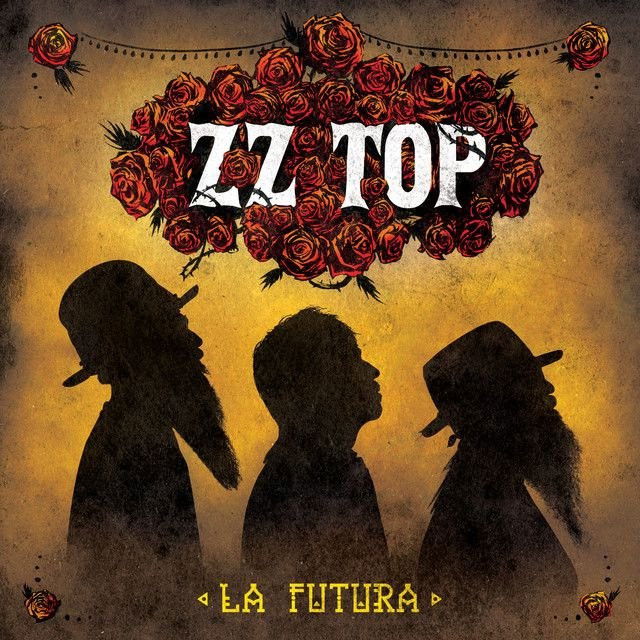
The track appears on La Futura, ZZ Top’s 2012 comeback album, their first studio record in nine years, produced by Billy Gibbons and Rick Rubin and released as part of the early Texicali set before the full album arrived (La Futura). That context matters. The band were leaning back into stripped-down blues swagger, and “Consumption” fits that mission almost perfectly.
The Real Story Hiding in the Hook
At the center of the song is a person trying to outrun inner pain. The repeated title is not just about buying or using something. Here, “consumption” suggests appetite, habit, and self-erasure all at once.
When the singer insists Ain't gonna find me here
, they sound like someone trying to disappear from their current state of mind. The line is not a victory cry. It feels more like avoidance. They do not solve the problem; they relocate it into numbness.
Interpretation: the song uses the language of the bar to describe emotional escape. The goal is not celebration. The goal is absence.
Watch the official Consumption
music video
A Blues Narrator on the Edge
The song is written in first person, but ZZ Top perform it with enough distance that the voice feels like a type: the worn-down drifter, the late-night regular, the person bargaining with a bottle. That makes the story broader than one man’s confession.
A key line is find me a place
, followed by the wish for a blank space with no feeling. That image matters because it shifts the song from ordinary partying into something darker. The speaker is not chasing fun. They are chasing emptiness.
Later, when they say down on me knees
, the image works two ways. On one level, it sounds like collapse. On another, it echoes prayer. In that reading, the bottle becomes a false kind of salvation.
How the Verses Build the Downward Slide
The narrative is short, but it moves in a clear sequence:
- The speaker wants to vanish from pain.
- They admit they are being worn down over time.
- They ask for another drink.
- They let alcohol reshape who they are.
That middle stage is crucial. The phrase by degrees
suggests slow damage, not sudden disaster. This is one reason the song works. It understands dependency as gradual. The harm is happening bit by bit, while the speaker still talks as if they are in control.
Then the barroom details arrive. The mention of a free one after a run on the honky-tonk sounds funny in classic ZZ Top fashion, but it also shows how the environment rewards self-destruction. The room keeps the cycle moving.
Have another bottle
Make me who I wanna be
Those lines deliver the song’s sharpest idea. The drink is no longer just comfort. It becomes identity, costume, and mask.
The Meaning of Consumption ZZ Top in Plain Terms
If put simply, the meaning of Consumption ZZ Top is this: the song portrays addiction-like behavior as a desperate attempt to escape the self. It uses the language of drinking to show a person who feels hollow, hurt, or trapped, and who turns to consumption as a way to become someone else.
That does not mean the song is a literal public-health statement. ZZ Top often work with blues archetypes, exaggeration, and dark humor. But even with that playful frame, the emotional truth is hard to miss.
Interpretation: “Consumption” is less about pleasure than about surrender.
Sound First, Then Meaning
Musically, the track gains power from restraint. La Futura was built around what Billy Gibbons described as the “directness” of the band’s early work, blended with newer studio methods. That approach is easy to hear here. The groove is compact, the riff is dusty and repetitive, and the drums keep everything moving with a stubborn, almost mechanical pulse.
That repetition mirrors the subject. The song circles the same words the way a stuck mind circles the same urge. Gibbons’ vocal delivery helps too. He does not oversell the drama. He sounds dry, tired, amused, and damaged at once, which makes the narrator more believable.
The result is classic ZZ Top craft: a hard-boiled blues-rock track that says more by doing less. Reviews of La Futura often praised the album’s return to the band’s core sound; AllMusic even called it their best since Eliminator (AllMusic review). “Consumption” shows why that back-to-basics approach worked.
Dark Humor, Honky-Tonk Myth, and Self-Deception
One reason the song stays interesting is its mix of menace and wit. ZZ Top know the honky-tonk world well: cheap relief, swagger, bad decisions, and a grin that hides damage. “Consumption” uses that familiar setting, but it does not romanticize it completely.
The repeated request to be poured another drink sounds casual at first. By the time the song reaches its closing repetitions of the title, though, the word starts to feel bigger than alcohol. It suggests a life built around craving. The person is not just consuming; they are being consumed.
That twist is the smartest part of the lyric. The title points both outward and inward. They take in the bottle, and the habit takes over them.
Final Take on ZZ Top’s "Consumption"
In the end, the meaning of Consumption ZZ Top lies in its portrait of escape becoming identity. Beneath the boogie and barroom humor, the song shows a speaker who wants relief from pain, shame, or emptiness and finds only a temporary version of another self.
That is why the song lingers. It is lean, funny, and catchy, but also quietly bleak. ZZ Top turn a simple blues setup into a study of craving, self-deception, and the high cost of trying not to feel.
Disclaimer: This interpretation is based on the released lyrics, performance, and known album context. As with many ZZ Top songs, listeners may reasonably hear different shades of humor, character acting, or social commentary in it.







