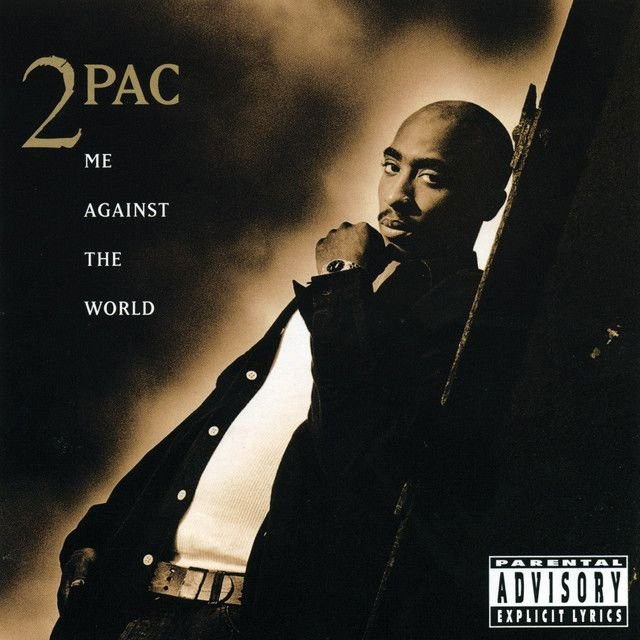
Dear Mama by 2Pac
A love letter that sounds like a prayer—2Pac’s 1995 single turns biography into a national mirror. At its heart, the meaning of Dear Mama 2Pac is simple and profound: a son trying to repay a debt he can’t repay, by telling the truth and giving thanks. It’s both personal testimony and a public salute to Black motherhood under pressure.
"Dear Mama" - 2Pac
I love you
You are appreciated (yeah, yeah)
Loading lyrics...
Unable to load lyrics
We're unable to display the lyrics at this time. Please try again later.
A Rap Letter That Redefines Gratitude
Dear Mama is a tribute to Afeni Shakur, but it’s also a blueprint for how hip-hop can hold compassion and accountability at once. 2Pac admits to teenage chaos, poverty, and bad decisions, yet places his mother at the center of his moral world. When he says You are appreciated
, he’s not using a Hallmark line—he’s naming survival work that often goes unseen.
Factually, the song led Me Against the World and became 2Pac’s first Hot 100 Top 10. In time, it was preserved by the Library of Congress for cultural significance. That recognition tracks with what listeners already knew: this record speaks to families who endured the crack era, mass incarceration, and economic neglect, and still found a way to love.

Watch the official Dear Mama
music video
A Son Speaking to His First Teacher
The narrator is 2Pac, speaking directly to his mother. The intimacy is clear in small phrases like Ain’t a woman alive
, which he uses to set a boundary: no one ranks above the person who raised him. He contrasts that devotion with the ache of father absence—No love from my daddy
—to explain why he looked to friends and the streets for guidance.
Interpretation: By pairing tenderness with hard memories, he models a kind of honest gratitude. Love isn’t blind here; it’s informed.
From Hard Lessons to Healing
Here’s the song’s arc, in brief:
- Youth in turmoil: school suspensions, fights, time spent running, and early brushes with the law.
- Home fractures: being kicked out at 17 and watching addiction hollow out the household.
- Survival hustle: selling to make ends meet and, in his words, feeling good to help pay the bills—an attempt to fix what he feels he helped break.
- Everyday heroism: images of work shifts, scrap meals stretched into feasts—summed in the phrase
Mama made miracles
. - Moral clarity: he admits there’s no real way to balance the ledger, so he turns to respect and atonement instead.
Why the Hook Feels Like Home
The chorus resets the pain of the verses into comfort. It functions like a hug—steady, repetitive, and certain. Its emotional center is the promise to honor her, not with jewelry or grand gestures, but with understanding.
There’s no way I can pay you back
But the plan is to show you that I understand
You are appreciated
Interpretation: The hook reframes debt as duty. For many listeners, that’s the song’s lasting gift.
Symbols You Can Hear and See
- The mailbox: sending money home turns illegal income into a filial offering, complicating ideas of right and wrong.
- The hot plate/Thanksgiving: food as care and creativity, proof of dignity amid scarcity.
- The jail cell: physical bars mirror emotional distance; the hug through steel is both apology and plea.
- The pour of liquor: a ritual of remembrance that invites community into private grief.
- The crown: when he says his mother is a “queen,” it counters stigma. Even acknowledging
Even as a crack fiend
, he insists on her worth. - The vow:
Place no one above you
turns praise into a lifelong commitment.
The Sound Does the Storytelling
Tony Pizarro’s production pivots on The Crusaders’ “In My Wildest Dreams” and an interpolation of The Spinners’ “Sadie.” Warm Rhodes-like keys, a midtempo swing, and stacked female vocals soften the edges, making confession land as comfort. The drum programming leaves air for 2Pac’s voice to carry feeling more than virtuoso rhyme tricks.
His delivery matters. He raps like a conversation—measured, emphatic, unafraid of plain words. That directness, plus the soulful bed of samples, turns biography into a lullaby. It’s why the record plays at Mother’s Day cookouts and late-night drives alike.
Legacy, Reception, and What It Means Today
On release, Dear Mama topped rap charts and broke into the Hot 100’s Top 10. Critics highlighted how it distilled complex emotions into simple images. Years later, the Library of Congress preserved it as a recording of national importance, and it’s since gone multi-platinum in the U.S.
Beyond numbers, its legacy is emotional permission. Rappers from Common to Kendrick Lamar have cited it as proof that vulnerability and respect belong in hip-hop. For listeners, it often becomes a bridge—between anger and forgiveness, between what parents couldn’t give and what they somehow did.
Alternate Readings to Consider
- Interpretation: A communal hymn. Though written to Afeni, the details—single parenthood, missed paychecks, small feasts—speak to countless mothers who held families together despite addiction, poverty, and policy failures.
- Interpretation: Self-forgiveness by proxy. By honoring his mother’s struggle, 2Pac also gentles his own past choices, reframing survival as care.
Takeaway and Disclaimer
The meaning of Dear Mama 2Pac lands in one sentence: gratitude is action. If you can’t pay it back, live in a way that shows you understand.
Interpretations are subjective and reflect one informed reading; your experience of the song may differ.
Sources
- https://en.wikipedia.org/wiki/Dear_Mama
- https://www.loc.gov/programs/national-recording-preservation-board/recording-registry/
- https://www.latimes.com/archives/la-xpm-2010-jun-25-la-et-2pac-20100625-story.html
- https://www.rollingstone.com/music/music-lists/50-greatest-hip-hop-songs-of-all-time-150547/dear-mama-2pac-170682/









