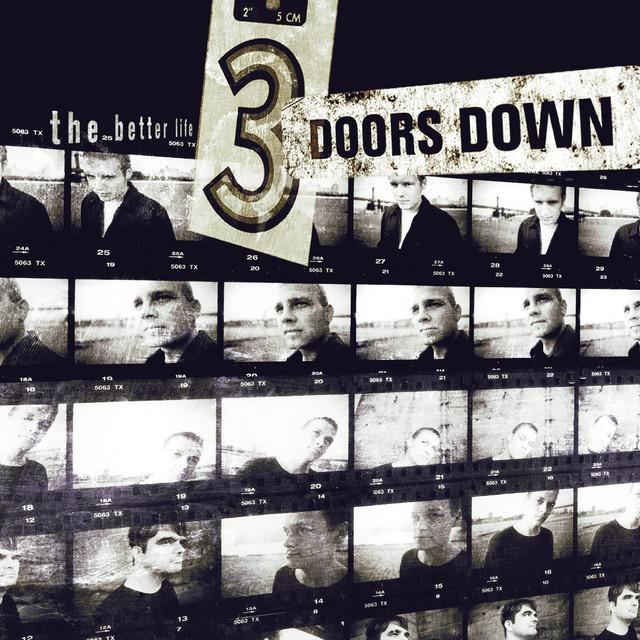
Loser by 3 Doors Down
The meaning of Loser 3 Doors Down starts with pain, but it is not just a song about pain. It is about a person trapped in addiction, shame, and the sense that they are running out of time. What makes the song hit so hard is that it does not sound distant or moralizing. It sounds close, personal, and scared.
"Loser" - 3 Doors Down
Nothing seems to fill this place
I need this every time
Loading lyrics...
Unable to load lyrics
We're unable to display the lyrics at this time. Please try again later.
Released in 2000 as the second single from The Better Life, “Loser” became one of 3 Doors Down’s defining early songs. It was written by Brad Arnold, Matt Roberts, and Todd Harrell, and produced by Paul Ebersold. It also became a huge radio success, spending 21 weeks at No. 1 on Billboard’s Mainstream Rock chart, according to available chart histories and reference data.
The Core Idea Behind the Song
At its center, “Loser” tells the story of someone who feels defeated by dependency. Lead singer Brad Arnold has said the song was written from the perspective of a childhood friend who became addicted to cocaine. He also explained that the title was not meant as an insult. In his telling, it reflects the person’s own self-image and inner collapse, not the band’s judgment.
That context matters. Without it, the chorus might sound like a simple insult anthem. With it, the song becomes a portrait of someone who has begun to believe the worst things about themselves.
The opening lines set that tone fast. The narrator needs something immediately, and nothing else seems to satisfy. When they say nothing seems to fill this place
, the song frames addiction as a void that normal life cannot touch anymore. That emptiness is emotional as much as physical.

Watch the official Loser
music video
A Voice Caught Between Craving and Self-Hatred
One reason the song feels intense is its point of view. The lyrics are in first person, so listeners are pulled into the addict’s mind rather than kept at a safe distance. They do not just hear about self-destruction; they hear it happening in real time.
The chorus turns that inner damage into a blunt label: I'm a loser
. In context, this is less a statement of fact than a confession of how the speaker sees themselves. They sound cornered, ashamed, and convinced that the ending will be bad.
That is why the line sooner or later
matters so much. It suggests fatalism. The narrator does not talk like someone trying to recover. They talk like someone who thinks the fall is already underway.
How the Lyrics Build the Downward Spiral
The verses move in a clear emotional pattern:
- First comes craving and immediate need.
- Then comes conflict with another person, possibly someone trying to intervene.
- After that comes numbness, shame, and the feeling of being chained.
- Finally, the chorus imagines death as the likely outcome.
The imagery is simple but effective. life's little edge
turns emotional collapse into a physical picture, as if the speaker is standing near a drop. Another key line, holding the rope
, suggests a relationship where another person has power, or at least the ability to watch the speaker fall.
Interpretation: That “you” in the song could be a real person, like a partner or friend. It could also represent the drug itself. The lyrics support both readings. The drug gets described almost like a controlling force, while the direct address sounds intimate and accusing.
Addiction as the Song’s Main Symbol
Arnold has explained that the verses point to the physical act of drug use and the way it feels in the moment, while the chorus looks toward the likely result. That split is important to the meaning of Loser 3 Doors Down. The song contrasts short-term relief with long-term ruin.
The line about poison taking the speaker higher makes that contradiction clear. The thing that lifts them up is also killing them. That is a classic addiction paradox: the source of relief is also the source of damage.
Addiction needs a pacifier
the buzz of this poison
This brief passage captures the song’s logic. The addict wants comfort, but the comfort is toxic. The language is almost childlike in one phrase and deadly in the next, which makes the emotional dependence feel even more tragic.
Why the Sound Makes the Message Stronger
Musically, “Loser” fits the post-grunge and alternative rock style that helped define early 2000s radio. The guitars are thick and heavy, the rhythm is driving, and Arnold’s vocal delivery sounds strained rather than polished. That roughness helps the song feel honest.
The production does not soften the theme. Instead, it pushes the tension forward. The verses carry a coiled, uneasy mood, and the chorus opens into a bigger, more forceful release. That mirrors the song’s emotional cycle: pressure, burst, crash.
This is also part of why the track connected so strongly with rock audiences. It took a deeply personal subject and gave it an arena-sized hook without removing the darkness.
Why So Many Listeners Related to It
Even though the song is rooted in cocaine addiction, many listeners hear something wider in it. Arnold has noted that people often identify with the feeling behind it. That makes sense, because the lyrics are also about despair, worthlessness, and losing control.
Not everyone who connects to “Loser” has known drug addiction firsthand. But many people know what it feels like to be stuck in a harmful pattern, to feel ashamed, or to fear becoming the worst version of themselves. The song leaves room for that broader reading.
Its commercial success supports that reach. Beyond its long run atop Mainstream Rock, it also crossed into the Billboard Hot 100 and helped establish 3 Doors Down as more than a one-hit breakout after “Kryptonite.”
The Lasting Meaning of “Loser”
In the end, the meaning of Loser 3 Doors Down is not that the speaker is worthless. It is that they feel worthless, and that feeling is being fed by addiction. The song’s power comes from showing how self-hatred and chemical dependency can lock together until the future looks hopeless.
Interpretation: Listeners can hear it as a warning, a character study, or an expression of depression. All three readings fit the lyrics and the band’s comments.
What keeps “Loser” alive is its honesty. It does not glamorize the rush, and it does not pretend recovery is easy. It captures the terrifying moment when a person can still describe their fall, but no longer believes they can stop it.
Disclaimer: This interpretation is based on the lyrics, public statements from Brad Arnold, and documented release history. As with most songs, individual listeners may hear meanings beyond the artist’s stated intent.







