Why 'Steppin' To The A.M.' Hits After Midnight
The meaning of Steppin' To The A.M. 3rd Bass starts with a simple image: a rap crew taking over a room and refusing to let the energy die. On the surface, the song is a party record built for late-night momentum. Under that, it is also a statement of skill, endurance, and place within hip-hop.
"Steppin' To The A.M." - 3rd Bass
Ready in the intro, cue up the Serch-lite
Point us to the center stage (I'll grab the first mic)
Loading lyrics...
Unable to load lyrics
We're unable to display the lyrics at this time. Please try again later.
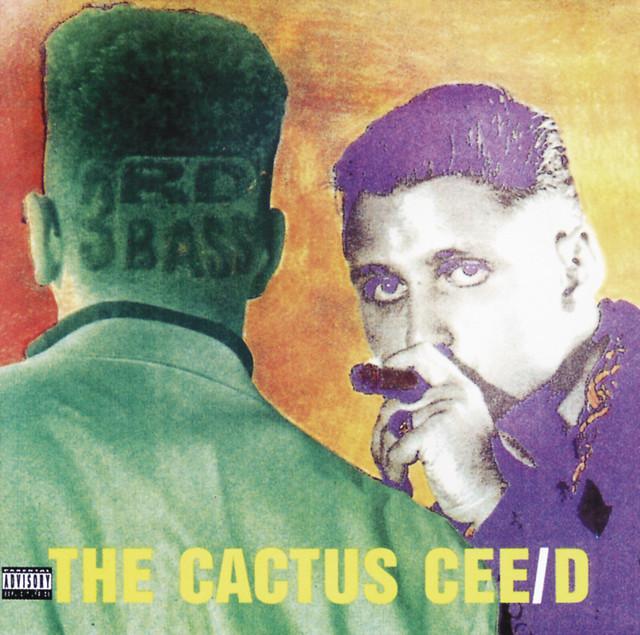
3rd Bass emerged from New York’s late-1980s rap scene, and their debut album The Cactus Album arrived in 1989. The group became one of the most visible early interracial rap acts, and that context matters when reading a track so focused on proving legitimacy and command. According to Wikipedia’s overview of the group and a Billboard retrospective on 3rd Bass, they were often judged through the lens of authenticity. This song sounds like they knew that and answered with force.
A Night-Shift Anthem With a Competitive Edge
At its core, the song is about carrying a crowd from midnight into the early morning. The hook keeps returning to clocks, countdowns, and motion, which turns the whole track into a race against exhaustion. When they say It’s about that time
, they are not only announcing a beat drop. They are framing performance as an event that begins at night and peaks after most people would fade.
That repeated push toward the A.M. makes the song feel bigger than a normal club banger. Interpretation: the night becomes a test. If an MC can control the room until daylight, then they have proven real stamina, not just momentary hype.

Watch the official Steppin' To The A.M.
music video
The Verses Turn the Party Into Proof
The verses are full of battle language, and that changes the song’s meaning. Instead of simply inviting people to dance, 3rd Bass also challenges other rappers. Phrases like freeze up like a mannequin
and you fell behind
show that the group sees performance as competition.
This matters because the song is not relaxed or dreamy. It is confrontational, sharp, and athletic. They present the microphone almost like a weapon, and the stage like an arena. Even when the song talks about movement and crowd response, it keeps circling back to domination.
What’s the time? It’s about that time What time is it? Shootin' for the A.M.
That hook is the clearest summary of the track’s purpose. It is simple, chant-ready, and easy for a crowd to answer back. In meaning terms, it turns late-night performance into a mission.
Why Time Matters More Than It First Seems
The clock motif is everywhere. The intro begins with a mock time announcement, and the chorus keeps asking the same question. That repetition gives the track urgency.
Interpretation: time here is not just literal. It also suggests timing in rap itself—when to enter, when to strike, when to control the beat, when to outlast rivals. So the title does double duty. “Steppin’” means dancing, but it also suggests stepping up, taking the mic, and moving ahead of the competition.
That layered use of time is one reason the song still feels clever. It works as a party chant, but it also works as a coded statement about being ready when hip-hop calls.
Sound, Rhythm, and the Feeling of Staying Up Late
The production context helps explain the song’s impact. The Cactus Album involved producers including Prince Paul, Sam Sever, and the Bomb Squad, as noted in Wikipedia’s album and group history. Even without pinning this track to one exact producer from the provided data, the album’s wider sound world matters: hard drums, dense sampling, and a street-radio energy tied to New York rap at the end of the 1980s.
On this song, the beat feels built for endurance. The rhythm is driving rather than lush, and the chorus is designed for response. That supports lines such as Time to get stupid!
and steppin' to the A.M.
, which push the idea that the crowd should keep moving.
There is also a strong DJ presence in the lyrics. References to wax, needles, records, and mic technique remind listeners that this is hip-hop as craft. They are not only partying; they are demonstrating knowledge of the form.
Where the Song Fits in 3rd Bass History
Factually, “Steppin’ to the A.M.” was released in 1989 from The Cactus Album. It reached No. 5 on the US Hot Rap Songs chart and No. 54 on the US R&B chart, with additional dance-format sales presence, according to Wikipedia’s single data. That success shows the song connected beyond a niche audience.
Its role in their catalog is important too. Before later, more famous moments, this track helped establish their identity: witty, aggressive, club-ready, and deeply concerned with hip-hop credibility. Interpretation: the song sounds like an early manifesto. It tells listeners that 3rd Bass want respect not by asking for it, but by out-rhyming and outlasting everyone in the room.
Final Take Before Daybreak
The meaning of Steppin' To The A.M. 3rd Bass is not hidden behind a complicated story. It is a vivid snapshot of rap as marathon, showdown, and party at once. The group presents themselves as technicians, entertainers, and competitors, all operating deep into the night.
That is why the song still works. It captures the thrill of a room that refuses to sleep, while also making a bigger claim about who deserves the mic.
Disclaimer: This interpretation is based on the lyrics, musical context, and available historical sources. Since no direct artist explanation was provided in the supplied research, some meaning discussed here is informed analysis rather than confirmed intent.








