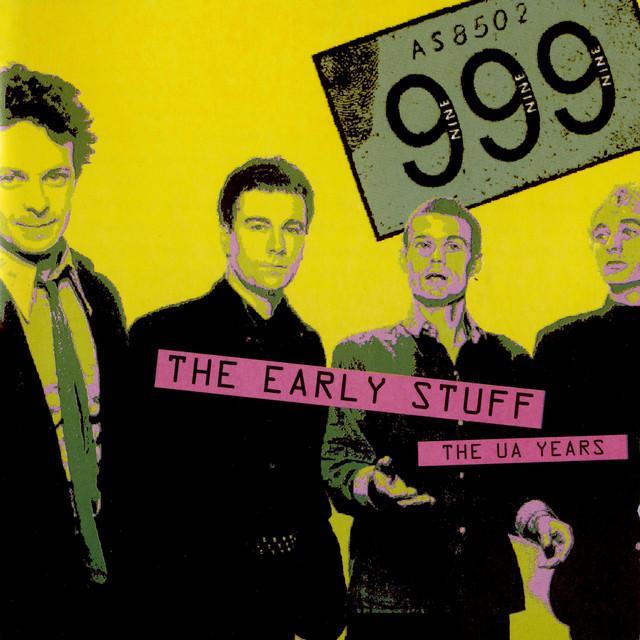
Why 'Homicide' by 999 Still Feels Dangerous
The meaning of Homicide 999 starts with a trick: the song sounds blunt and simple, but its real force comes from confusion, pressure, and accusation. Rather than telling a neat story, 999 throw listeners into a hostile scene where blame flies fast, truth gets bent, and violence feels like the language everyone already understands.
"Homicide" - 999
Don't cast a sigh you'd better believe it,
That's the truth of it take it or leave it,
Loading lyrics...
Unable to load lyrics
We're unable to display the lyrics at this time. Please try again later.
That approach fits the band. 999 formed in London in 1976 and became one of the most durable acts of the original UK punk wave. Their 1978 single “Homicide” reached No. 40 on the UK chart, showing how their sharp, hooky style could turn punk intensity into something catchy without softening it (Wikipedia).
A Punk Song Built Like an Argument
At the center of the song is a voice that sounds combative from the first line. When the singer says I rest my case
, they frame the song like a trial, a street argument, or a public defense. The phrase suggests certainty, but the rest of the lyric feels unstable.
That tension matters. The speaker keeps insisting that others should accept the truth of it
and take it or leave it
, but the repeated demands do not sound calm or persuasive. They sound desperate.
Interpretation: the song may be showing how people use certainty as a weapon. The louder the speaker claims to know the truth, the less trustworthy the situation feels.

Watch the official Homicide
music video
What the Lyrics Seem to Be Saying
One of the key lines says No one cares when someone lies
. That gives the song a broader target than one act of violence. It points to a world where dishonesty is normal, but public outrage appears only when things become dramatic.
The mention of a red alert
sharpens that idea. Instead of caring about truth all along, people wait for crisis language, panic, and spectacle. In that reading, “homicide” is not just an event. It becomes a symbol for the moment when private rot turns into public emergency.
There is also a personal edge. The lyric about blaming someone because he's down
suggests scapegoating. The song implies that weak or vulnerable people are easy targets, especially when a crowd wants a quick answer.
I'll write it down
I'll be in touch
so don't leave town
That short sequence shifts the song from accusation into pursuit. It sounds like a threat, or at least a warning. The voice is no longer just commenting on violence; they seem ready to act inside it.
The Chorus Turns One Word Into Pressure
The repeated title word is the song’s engine. 999 do not use “homicide” as a detailed narrative clue. They use it as a blunt instrument. Every repetition makes the atmosphere tighter, harsher, and more obsessive.
In many punk songs, repetition creates unity or release. Here it creates dread. The word stops feeling descriptive and starts feeling contagious, like a slogan the whole room has absorbed.
Interpretation: that is a big part of the meaning of Homicide 999. The song may be about how violence spreads through language before it spreads through action. Once one word dominates the conversation, everything else gets dragged into its logic.
How the Sound Sells the Threat
“Homicide” works because the music is as important as the lyric. 999 were known for combining punk attack with strong pop instincts, and this track shows that balance clearly. The riffs are tight, the beat is urgent, and the performance never relaxes.
The song was released in 1978 around the Separates era, when the band were refining a cleaner but still aggressive sound; that period also helped establish them beyond the London scene (Wikipedia). Instead of chaotic noise, they deliver controlled speed. That control makes the menace sharper.
The guitar solo and the steady drum drive add to the sense of chase. Even without a detailed plot, the arrangement feels cinematic, like headlights, concrete, and motion after dark. The image of the big black car
fits that perfectly.
Context: Why It Hit So Hard
999 were never the most nihilistic punk band, and that is part of why “Homicide” stands out. They often brought melody and discipline to a scene known for raw provocation. That made their most violent-sounding songs easier to carry into clubs, radio, and later film and TV.
“Homicide” was also filmed live for Urgh! A Music War, and the song later appeared in other screen contexts, which helped preserve its dangerous reputation (Wikipedia). In the U.S., 999 built a strong cult following through relentless touring, and songs like this one became part of their American identity.
Two Plausible Readings
Reading One: A Portrait of Social Breakdown
In this interpretation, the song describes a world where lies are ignored, panic is rewarded, and people rush to assign guilt. “Homicide” becomes the final, ugly result of a broken public culture.
Reading Two: A Voice Slipping Into Violence
In this reading, the lyric follows one speaker who begins by arguing and ends by threatening. The shifts from legal language to pursuit suggest someone crossing a line from opinion into action.
Both readings can be true at once. Punk often works that way: public anger and private rage mirror each other.
The Lasting Meaning of Homicide 999
The meaning of Homicide 999 lies in how little comfort it offers. The song does not explain violence away. It traps listeners inside the talk, panic, and blame that make violence feel close at hand.
That is why it still lands. 999 turned one brutal word into a study of pressure, and they did it with the speed and hook-writing of a great punk single.
Disclaimer: This article offers interpretation based on the lyrics, performance, and known context. Songs can support more than one valid reading.








