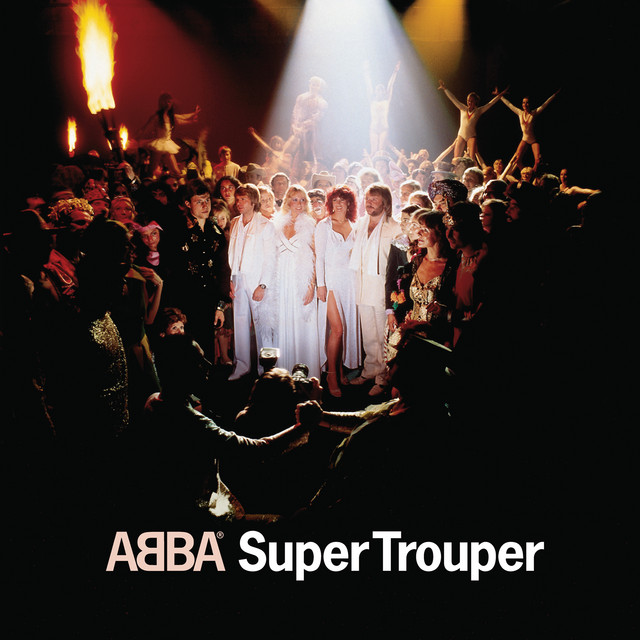
Why “Super Trouper” Feels Bright and Lonely
The meaning of Super Trouper ABBA comes from a striking contradiction: it is a sparkling pop song about feeling worn down, isolated, and saved by human connection. Released in 1980 as the title track from ABBA’s seventh studio album, the song was written and produced by Benny Andersson and Björn Ulvaeus, with Anni-Frid Lyngstad on lead vocal. Factually, the title refers to a powerful concert spotlight, a detail widely noted in reference sources about the song’s creation and reception.
"Super Trouper" - ABBA
But I won't feel blue
Like I always do
Loading lyrics...
Unable to load lyrics
We're unable to display the lyrics at this time. Please try again later.
The Real Heart of the Song
At its core, “Super Trouper” is about the emotional cost of performance. The narrator is a star surrounded by crowds, routine, and applause, yet they still feel deeply alone. Early lines describe boredom and fatigue from the touring cycle. The key emotional turn comes when they learn that one important person will be in the audience.
That is why the chorus matters so much. The bright lights are still there, but they no longer feel cold. When the song says “somewhere in the crowd”
, it narrows a huge arena down to one relationship. The crowd becomes less important than a single face.
Interpretation: The song suggests that fame cannot fix emptiness, but love or reassurance can make the same stage feel bearable again.

Watch the official Super Trouper
music video
Stardom as a Lonely Place
One of the smartest ideas in the lyric is the contrast between scale and isolation. The singer stands before thousands, yet still feels cut off. The line about “twenty-thousand of your friends”
captures that paradox in simple language. There are people everywhere, but none of them truly remove the loneliness.
This is a recurring ABBA theme from their late period: polished pop on the surface, more complicated feelings underneath. In “Super Trouper,” that tension is especially clear because the music sounds upbeat while the verses talk about emotional exhaustion. The narrator is tired of the same cycle of travel, shows, and pretending everything is fine.
When the lyric reaches “I won’t feel blue”
, it is not claiming that show business suddenly became joyful. It means one personal bond changes their emotional outlook for a night.
How the Story Unfolds on Stage
The song works almost like a short backstage drama:
- The performer starts exhausted and detached.
- They hear that someone special is coming.
- Their mood shifts before the show begins.
- The spotlight, once oppressive, becomes exciting again.
- The hope of reunion gives the performance meaning.
This structure makes the chorus feel earned. The song does not begin in triumph. It has to travel from burnout to relief.
“Shining like the sun”
“Smiling, having fun”
Those lines sound like pure confidence, but in context they are partly a performance of happiness. The singer is preparing to look radiant under the lights, even though the verses reveal how fragile they feel.
The Spotlight as Symbol
The “Super Trouper” light is more than stage equipment. It stands for exposure, pressure, and celebrity itself. A spotlight helps the audience see the performer, but it can also erase privacy. That dual meaning gives the title its power.
The repeated image of beams that will “blind me”
hints at how overwhelming public life can be. Yet the same beams also mark the moment when the singer must step into their role. The song does not reject performance. Instead, it shows how a performer survives it.
Interpretation: The spotlight symbolizes both burden and purpose. It drains the singer, but it also gives them a place to transform pain into poise.
Why the Sound Matters So Much
Musically, “Super Trouper” is classic ABBA: clean pop construction, glossy vocal layering, and a strong melodic lift in the chorus. That bright sound is essential to the meaning. If the production were dark and slow, the song would only feel sad. Instead, the polished arrangement lets listeners hear the split between appearance and reality.
That tension mirrors the life described in the lyric. On the outside, the singer appears “feeling like a number one”
. Inside, they are struggling. ABBA often excelled at this kind of emotional double-coding, where catchy melodies carry uneasy thoughts.
Frida’s lead vocal is also crucial. She sings with control and warmth rather than breakdown. That restraint makes the song more believable. The narrator is not collapsing; they are getting ready to perform anyway.
Context Around the Song
“Super Trouper” was the last song written for the album and went on to become a major hit, reaching No. 1 in the UK and several European countries. It was also ABBA’s ninth and final UK No. 1 single. Those chart facts matter because they sharpen the irony: a song about the loneliness of success became another massive success story.
There are also competing stories around its inspiration. Some commentary has linked details in the lyric to ABBA’s personal relationships and touring life. Björn Ulvaeus later described the title as easy to build a story around and suggested romantic inspiration shaped the writing. The safest conclusion is that the song draws on the emotional truth of celebrity life, whether or not every detail is literal.
So What Does “Super Trouper” Finally Mean?
The meaning of Super Trouper ABBA is not just “fame is hard.” It is more specific: public adoration can feel empty unless private love gives it meaning. The song turns a stage light into a symbol of modern celebrity, then softens that harsh glare with intimacy.
That is why the song still connects. Many listeners are not famous, but they understand the feeling of looking fine in public while privately running on empty. “Super Trouper” gives that feeling a glamorous setting and a deeply human center.
Disclaimer: This article offers interpretation based on the song’s lyrics, sound, and documented context. Meaning can vary from listener to listener.








