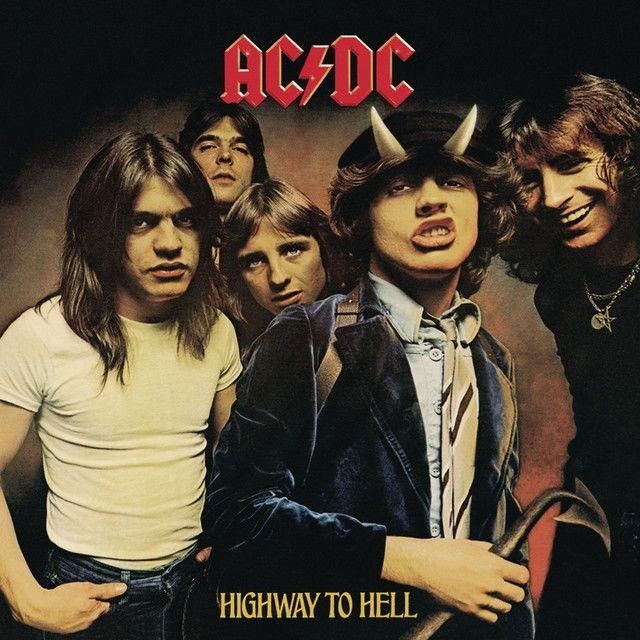
Highway to Hell by AC/DC
They’ve turned a simple road into one of rock’s most famous metaphors. AC/DC’s “Highway to Hell” isn’t a theology lesson—it’s a snapshot of life lived full-throttle, framed by a riff that won’t lift its foot off the gas.
"Highway to Hell" - AC/DC
Season ticket on a one-way ride
Asking nothing, leave me be
Loading lyrics...
Unable to load lyrics
We're unable to display the lyrics at this time. Please try again later.
The meaning of Highway to Hell AC/DC, in plain terms
At heart, the song is about momentum and choice. The band had been touring relentlessly in the late ’70s; the grind felt like an endless road where sleep, rules, and normal life didn’t apply. The narrator owns that pace without apology.
Living easy, living free Season ticket on a one-way ride
That image sets the tone: no return ticket, no half measures. Listeners often note a second layer tied to Perth’s Canning Highway, a stretch known for pubs and dangerous dips. Together, these ideas fuse into a rebellious credo about chasing the gig, the buzz, and the brotherhood—even if it leads somewhere dark.
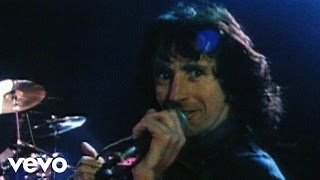
Watch the official Highway to Hell
music video
Who’s behind the wheel? The voice that drives the lyric
The song speaks in first person, a swaggering traveler who won’t be lectured. When he says my friends are gonna be there too
, it reframes “hell” as community. The party is the point, and the cost is accepted.
He rejects limits as part of his identity. Lines like No stop signs, speed limit
and nobody's gonna slow me down
show a person who measures life by motion, not safety. That stance became a calling card for AC/DC’s blue‑collar, no‑frills ethos.
Verse to chorus: why the hook hits so hard
Verses list the lifestyle—constant travel, wild nights, dues paid on stage. The hook—I’m on the highway to hell
—turns those details into a rallying cry. Interpretation: the chorus isn’t despair; it’s defiant clarity. They know exactly where the road leads, and they’re still flooring it.
By repeating the title, the band builds a chant anyone can shout back at a show. That communal echo is crucial to the song’s catharsis.
Symbols on the dashboard: roads, rules, and the devil
- The highway: A metaphor for the touring life—long, flat, and punishing—but also the only path that feels alive.
- Traffic signs:
No stop signs, speed limit
stands in for social rules. Ignoring them signals freedom and risk in equal measure. - The devil:
Hey Satan, payin' my dues
reads like shock-the-parents bravado. Interpretation: it’s playful provocation more than creed, a way to dramatize the cost of pleasure and fame. - Irony: Dropping
promised land
flips sacred imagery. He’s joking that the “reward” is the very world others condemn.
Together, these motifs make the song feel dangerous yet oddly joyful—a party on the edge.
How the sound carries the meaning
Musically, the track is a study in economy. The mid‑tempo groove and key of A major keep the riff chunky and singable, an engine idling just under redline. Bon Scott’s vocal snarl balances menace with grin, the delivery of someone who’s been there and wants you to come along.
Producer Mutt Lange tightens everything: the locked rhythm guitars, punchy drums, and stacked gang vocals that turn the chorus into an arena unity chant. The Young brothers’ twin‑guitar blend is crisp, with space for the riff to breathe. That clarity makes the danger feel clean, confident, and irresistible.
Alternate readings and cultural context
Interpretation: Some hear it as a self‑portrait of gleeful self‑destruction; others hear a road diary where “hell” is just the brutal cost of a dream. Both are supported by the lyric’s mix of humor and threat.
Factually, it arrived in 1979 as the title track of AC/DC’s sixth album, their first US charting single and the last album released with Bon Scott. Its staying power comes from a perfect marriage of riff, hook, and attitude—showing rebellion without overcomplicating it.
Takeaway
The meaning of Highway to Hell AC/DC lands on choice: accepting the risks of a life that feels real, loud, and shared. It’s a confession with a grin, built for a thousand voices.
Interpretation disclaimer: Meaning is subjective. This reading blends the lyrics with known band context and production details to suggest plausible themes, not definitive author intent.








