Why AC/DC Made 'Let's Get It Up' So Blunt
The meaning of Let's Get It Up AC/DC is not especially hidden, and that is the point. AC/DC built the song as a loud, joking, sexually charged rocker that turns innuendo into a party chant. Rather than disguise its subject, the band leans into crude humor, bluesy swagger, and a chorus meant for a crowd.
"Let's Get It Up" - AC/DC
So come aboard for a pleasure trip
It's high tide, so let's ride
Loading lyrics...
Unable to load lyrics
We're unable to display the lyrics at this time. Please try again later.
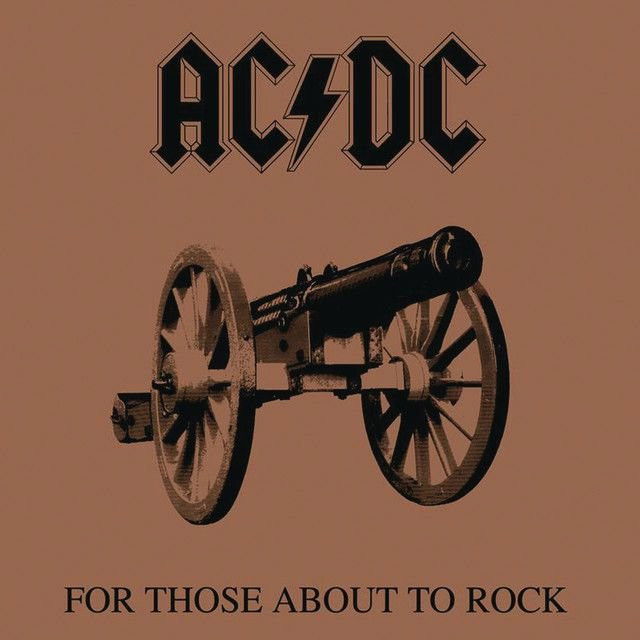
Released on For Those About to Rock (We Salute You) in 1981 and issued as the album’s first single in early 1982, the track came from a crucial moment for AC/DC. They were following the huge success of Back in Black, with Brian Johnson now firmly established as the band’s singer. The song was written by Angus Young, Malcolm Young, and Brian Johnson, and produced by Robert John “Mutt” Lange.[1][2]
The Main Joke Is Also the Main Meaning
At its core, the song is about sexual arousal framed as celebration. That reading is not guesswork. Critics and band commentary have treated it that way for decades. Rolling Stone Australia described it as a song full of sexual double meanings, and Johnson once summed it up as Filth, pure filth
in comments reported by Kerrang! and later cited elsewhere.[1][2]
The verses pile up images that all point in one direction. The opening uses the sea and a rising moon to suggest momentum and physical excitement. Phrases like high tide
and the moon is rising
make the body sound like part of nature, as if desire is a force that simply arrives and grows.
That is why the repeated hook matters so much. When they chant Let's get it up
, they are not telling a story with twists. They are turning one dirty joke into a communal shout. The point is less confession than release.
Watch the official Let's Get It Up
music video
How the Verses Turn Innuendo Into Motion
AC/DC do not use romantic language here. They use machinery, ships, wires, and explosive energy. That choice fits their usual style. Instead of tenderness, they offer movement, pressure, and comic excess.
In the first verse, the nautical language makes desire sound adventurous. The singer becomes a kind of pleasure-seeking sailor, even calling himself a pirate of my loving needs
. That phrase mixes swagger with parody. He sounds bold, but also knowingly ridiculous.
The second verse switches from sea imagery to electrical imagery. The idea behind lines about loose wires, plugging in, and switching on is simple: desire feels like a system sparking back to life. When they mention Loose wires cause fires
, the song turns lust into a danger-and-thrill scenario. It is not subtle, but it is vivid.
The Chorus Works Because It Is Bigger Than the Joke
A weaker band might have let the title do all the work. AC/DC make the chorus effective by building it like a stadium chant. The repetition, the gang feel, and the upward push in the phrasing make the hook sound triumphant rather than merely silly.
This is where the meaning of Let's Get It Up AC/DC expands a little. Interpretation: the song is not only about sex; it is also about rock energy itself. The title phrase can suggest getting the mood up, the volume up, and the crowd up. AC/DC often blur those lines, making physical desire and live-wire performance feel like part of the same rough language.
Never gonna let it up
Ticking like a time bomb
I'll never go down
In that short stretch, the song connects persistence, tension, and comic bravado. The message is exaggerated on purpose. The singer is not trying to sound realistic. He is trying to sound unstoppable.
The Sound Sells the Meaning
Musically, this is classic AC/DC: a hard rock track with strong blues roots. That matters because blues-based rock has long used sexual boasting, coded humor, and call-and-response hooks. Kurt Loder once praised Angus Young’s serpentine solo
in the song, hearing his blues roots clearly.[1]
The rhythm guitar keeps everything grounded in a tight, chugging groove, while the lead guitar adds bite and motion. Johnson’s vocal is less seductive than rowdy. He sounds like he is grinning through the whole performance, which keeps the song from feeling dark or predatory.
Producer Mutt Lange was known for making rock records sound sharp and huge, and that polish helps here.[1] The track is concise, punchy, and built around repetition. Even if listeners find the lyrics crude, the arrangement gives the song a clean, efficient kick.
Where It Fits in AC/DC’s World
The song makes more sense when placed inside AC/DC’s larger identity. From the Bon Scott era into the Brian Johnson years, the band often wrote about sex, drinking, risk, and rock-and-roll freedom. They did it with plain language, big riffs, and a sense of humor.
So this track is less an outlier than a mission statement. Record World called it a cracking rocker with its celebratory chorus
, which captures why it worked for many fans.[1] It also performed respectably as a single, including a Top 10 peak in Canada and a Billboard Hot 100 appearance in the United States.[1]
Final Take on the Song’s Message
The meaning of Let's Get It Up AC/DC is straightforward: AC/DC turn sexual innuendo into a loud, funny, high-energy anthem. Its imagery of tides, wires, switches, and explosions all supports that idea, while the music gives the joke weight and momentum.
Interpretation: beneath the obvious humor, the song also celebrates AC/DC’s core belief that rock should be physical, immediate, and fun. It does not ask to be decoded like poetry. It asks listeners to grin, shout along, and enjoy the riff.
This reading is an interpretation based on the lyrics, performance, and available commentary; listeners may reasonably hear the song a little differently.
Sources
[1] Wikipedia, “Let’s Get It Up”
[2] Rolling Stone Australia, “Let’s Get It Up (1981)”







