
Crossroads by Adam Calhoun
A Fight Between the Bar and the Altar
The meaning of Crossroads Adam Calhoun centers on a person torn between spiritual hunger and self-destructive habits. The song does not hide that conflict. Instead, it puts it right at the front: they know they need mercy, but they are still drawn to the same old pleasures.
"Crossroads" - Adam Calhoun
It's hell on earth, anything goes down here
Lookin' for some holy water at the water hole
Loading lyrics...
Unable to load lyrics
We're unable to display the lyrics at this time. Please try again later.
That push and pull gives the track its energy. The speaker sees the world around them as broken and morally rough, a place where hope is hard to find. When the song reaches for religion, it does not sound polished or saintly. It sounds desperate, blunt, and human.
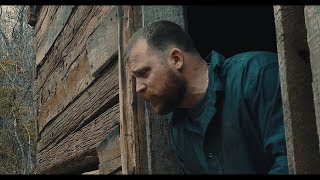
Watch the official Crossroads
music video
Why the Title "Crossroads" Fits So Well
A crossroads is a place of decision. In this song, it works as a symbol for a life split in two directions. One road points toward faith, repentance, and peace. The other points toward drinking, anger, pride, and chaos.
Interpretation: Adam Calhoun uses that image to show more than a single bad night. They present a whole identity crisis. The speaker is not choosing once; they are choosing again and again, and often failing.
That is why lines about prayer sit next to lines about alcohol and hell-raising. The song lives in contradiction. It admits the desire to be saved while also admitting the thrill of rebellion.
The Narrator Knows They Are Lost
One of the song's clearest ideas is self-awareness. The speaker openly calls themselves a sinner to the core
. That phrase matters because it removes excuses. They are not blaming only the town, the culture, or other people. They are admitting that the struggle comes from inside too.
At the same time, they are still searching. When the song describes looking for holy water
and finding alcohol instead, it turns a simple scene into a larger statement. They want cleansing, but everywhere they look, temptation is easier to reach than healing.
This is what makes the song more than a tough-guy anthem. Beneath the swagger, there is guilt. Beneath the jokes and aggression, there is fear that they may never fully escape their worst instincts.
How the Chorus Turns Confession Into the Main Theme
The chorus is the emotional center because it drops the mask. The speaker says, in simple terms, that they are sinning every day and still praying for help. That repeated confession gives the track its real weight.
The mountain image deepens that idea. Climbing upward suggests effort, struggle, and a desire to get closer to God. But the song undercuts that hope with the admission that they keep raising hell
. In other words, they are reaching up while still being pulled down.
Interpretation: This is not a clean redemption story. It is a song about wanting transformation and not knowing how to live it out.
Symbols That Carry the Song's Meaning
Dirt Roads, Fire, and Drink
The opening image of dirt roads
sets a hard rural scene. This is not a glamorous setting. It suggests a life shaped by rough choices, survival, and habits that are hard to break.
Alcohol is the song's most obvious symbol. Whiskey, beer, and homemade shine stand for escape, pleasure, and self-medication. When the speaker asks for help but also asks for one more drink, the song captures divided desire in a single moment.
Fire is another key image. References to hell and burning do two things at once: they hint at punishment, but they also show intensity. The speaker is not numb. They are living hot, reckless, and close to danger.
Preachers, Prayer, and Moral Hypocrisy
The preacher figure adds another layer. When the song challenges the preacher man
, it suggests distrust of moral authority. The speaker seems to believe some people preach holiness while hiding their own lies.
That matters because it keeps the song from sounding like a sermon. It is not only about personal sin. It also pushes back against hypocrisy. The speaker may be flawed, but they would rather confess their flaws than pretend to be pure.
How the Sound Supports the Lyrics
Even without full production credits confirmed here, the song clearly works in a country-rap lane associated with Calhoun's style on his official platforms, including YouTube and Apple Music. The blend matters.
The country side of the sound fits the rural imagery: dirt roads, jars, mountains, preacher talk. The rap side gives the song force, attitude, and confrontation. Together, those styles create a voice that sounds both confessional and defiant.
Interpretation: That mix mirrors the song's message. It is spiritually troubled music delivered with hard-edged confidence. The speaker sounds like someone trying to outrun shame by turning it into noise.
A Useful Way to Read the Ending
By the end, the conflict is still unresolved. The speaker is praying, climbing, failing, and trying again. There is no neat lesson and no final peace.
That unfinished feeling is the point. The meaning of Crossroads Adam Calhoun is not that redemption has already arrived. It is that the need for redemption has become impossible to ignore.
For many listeners, that honesty is the song's hook. It speaks to people who feel split between what they know is right and what still feels good in the moment.
Final Take
"Crossroads" works best as a portrait of spiritual conflict, not simple rebellion. It turns faith, vice, and rural identity into one tense struggle over the soul.
Disclaimer: This interpretation is based on the lyrics provided and publicly available artist context. Song meaning can vary from listener to listener.









