Why Aerosmith’s “Pink” Is More Than a Color
Aerosmith’s “Pink” sounds light, catchy, and almost goofy at first. But the meaning of Pink Aerosmith becomes clearer once they follow the song’s clues: it turns a single color into a symbol for desire, flirtation, and physical attraction.
"Pink" - Aerosmith
Pink, it's not even a question
Pink on the lips of your lover (ooh)
Loading lyrics...
Unable to load lyrics
We're unable to display the lyrics at this time. Please try again later.
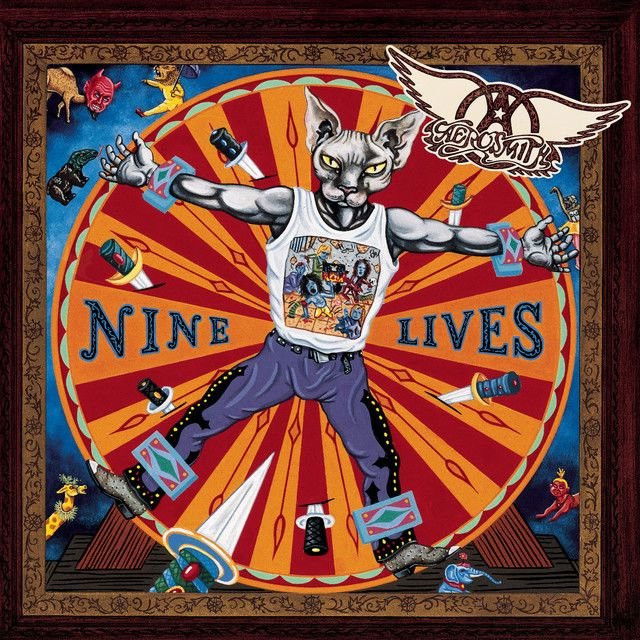
Released in 1997 as the third single from Nine Lives, “Pink” became a major late-era hit for the band. According to Wikipedia, it reached No. 1 on Billboard’s Mainstream Rock chart and later won a Grammy for Best Rock Performance by a Duo or Group with Vocal. That success matters because it shows how well the song balanced suggestive humor with mainstream radio appeal.
The Color Is the Joke and the Point
At the most basic level, “Pink” is about attraction. The lyric keeps circling one word until it becomes a code for lust, romance, and body-focused obsession. When the singer says my new obsession
, they are not talking about paint, fashion, or design in any serious way. They are turning color into a wink.
That is why the song feels both playful and obvious. It uses bright, pop-friendly imagery to describe adult desire without speaking in plain clinical terms. The repeated focus on pink lets Aerosmith be cheeky rather than heavy.
Interpretation: many listeners hear the color as a symbol for feminine beauty and female sexuality. That reading fits the song’s imagery and its teasing tone. It also matches Steven Tyler’s reputation for using humor and innuendo instead of direct explanation.

Watch the official Pink
music video
Desire Hidden in Plain Sight
The song does not tell a full story with scenes and characters. Instead, it stacks images that all point to the same emotional center: infatuation mixed with sexual excitement.
A line like love at first sight
gives the feeling of instant attraction. Another phrase, turn out the light
, shifts that attraction into private space. Then high as a kite
suggests the rush of wanting someone so badly that it feels dizzying.
None of those ideas is complicated on its own. What makes the song work is repetition. Every image returns to the same color, so the whole track feels like one long extended metaphor.
A Brief Map of the Song’s Movement
- It begins with fixation: the singer announces an obsession.
- It moves into romantic and physical imagery.
- It becomes more openly sexual through jokes and innuendo.
- It lands on reassurance: desire makes the night feel exciting and safe.
That last part is easy to miss. Beneath the naughtiness, there is also a mood of confidence. The chorus keeps insisting that things will be alright, as if attraction itself creates a temporary little world.
The Chorus Turns Lust Into Euphoria
The hook is what made “Pink” a pop-rock standout. It is repetitive, simple, and a little ridiculous on purpose. Aerosmith take one color and keep reframing it until it carries passion, comfort, risk, and fun all at once.
Pink, it was love at first sight
Pink when I turn out the light
Those two short lines show the song’s whole strategy. First comes innocent romance, then private intimacy. The jump is fast, and that speed is part of the joke.
Interpretation: the chorus suggests that desire can blur categories. Is this love, lust, fantasy, or just a passing thrill? The song never fully chooses, which is why it feels so carefree.
Sound First, Subtlety Second
Musically, “Pink” helps sell its meaning by refusing to sound dark or dangerous. Instead of brooding, it bounces. The groove is tight, the chorus is built for instant recall, and Steven Tyler’s vocal delivery makes even the slyest lines sound mischievous instead of threatening.
That matters. A more aggressive arrangement could have made the lyrics feel crude. But Aerosmith and producer Kevin Shirley gave the track a glossy late-1990s rock sheen, keeping it radio-friendly while the words flirt with something dirtier. The result is a song that hides its bluntness inside catchy structure.
This also fits the Nine Lives era. The album came from a difficult period for the band, but “Pink” emerged as one of its most durable singles. As Ultimate Classic Rock notes, the song was shaped during the Nine Lives sessions and stood out for its playful sexual energy.
Context Makes the Meaning Clearer
The writers were Steven Tyler, Richie Supa, and Glen Ballard. Ballard’s pop sense likely helped shape the song’s compact, hook-driven form, while Tyler brought the elastic, teasing phrasing. Richie Supa had also worked with Aerosmith before, and that familiarity shows in how natural the band sounds even when the concept is silly.
Artist context matters here too. Aerosmith have long mixed swagger, bluesy sexuality, and humor. “Pink” updates that formula for the late 1990s, when polished production and crossover choruses mattered more than raw grit.
The award and chart history supports that reading. The song was catchy enough for broad radio play, but still risqué enough to feel like Aerosmith. Even the video, which won the 1998 MTV VMA for Best Rock Video, leaned into surreal body imagery and transformation, reinforcing the song’s playful sensuality.
So What Is “Pink” Really Saying?
The meaning of Pink Aerosmith is not especially hidden: the song is a bright, teasing celebration of desire. It uses color as a stand-in for passion, feminine allure, and the thrill of being consumed by attraction.
What gives it staying power is the tone. Aerosmith do not present lust as tragic, tortured, or dangerous here. They present it as giddy, comic, and oddly sweet. Even when the lyrics get suggestive, the song smiles.
That is why “Pink” has lasted better than many novelty-style singles. It is not deep in a poetic sense, but it is clever in how fully it commits to one image. It turns a color into a mood, a body, a joke, and a fantasy all at once.
Final Take
For most listeners, “Pink” works best as a knowingly cheeky rock song about physical attraction dressed up in bright language. Interpretation: some may hear a wider message about how desire colors perception itself, making everything feel lighter and more exciting.
Either way, this reading is an interpretation based on the lyrics, performance, and known context, not an official statement of fixed meaning.