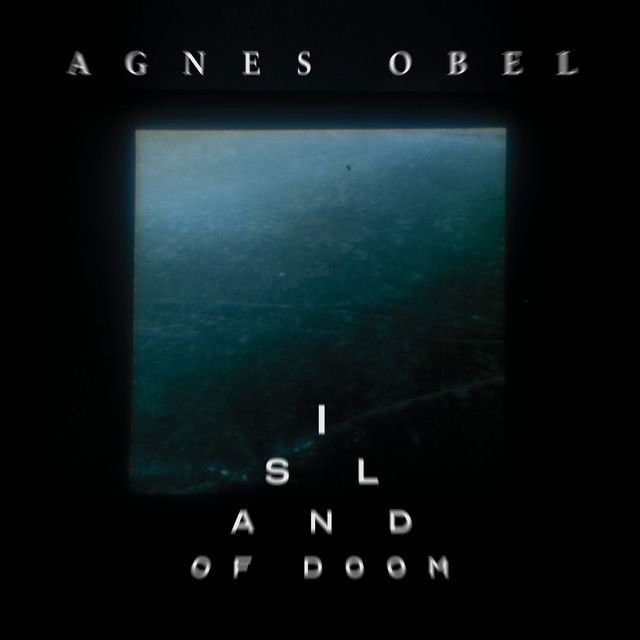
Why 'Island of Doom' Feels Like Living With Grief
The meaning of Island of Doom Agnes Obel becomes clearer once they hear it as a song about grief, memory, and the mind’s refusal to accept loss. It is not just sad. It is disorienting. The song describes the painful gap between what reality says and what the heart still feels.
"Island of Doom" - Agnes Obel
They told me, they told me
To undo the rule of mind and body
Loading lyrics...
Unable to load lyrics
We're unable to display the lyrics at this time. Please try again later.
Agnes Obel has spoken directly about that gap. According to Songfacts, the track was her way of understanding what happened in her mind after her father died in 2014 while she was on tour. She described the shock of knowing someone is gone, while still feeling them alive in consciousness. That context makes the song feel less abstract and more deeply personal.
A Mind Split Between Fact and Feeling
On the surface, the lyrics move through strange images: a room, a body, voices, nature, and an ominous inner place called an island. But emotionally, the story is simple. Someone is trying to process death and cannot make the inner truth match the outer one.
Early lines suggest practical reality crashing into private feeling. The song references the need to clear a room and deal with a body, but it places those actions beside dreamlike, detached language. That contrast matters. It shows how grief can make even basic tasks feel unreal.
When the singer insists they know the person with a heartbeat
, the idea is not literal. It suggests deep recognition, almost as if the loved one is still vividly present inside memory. Interpretation: the song argues that grief is so painful because the bond remains active even after the physical person is gone.

Watch the official Island of Doom
music video
The Voices, the Night, and the Inner Trap
One of the strongest images in the song is the crowd of voices. They say what must be done, what reality demands, and what the grieving person is supposed to accept. But those voices do not bring peace. They feel cold, almost bureaucratic.
That is why the repeated phrase lights fade out
lands so hard. The song keeps circling that moment, as if the mind cannot stop returning to the instant when presence becomes absence. It could point to death, to emotional numbness, or to the loss of certainty itself.
The title image is even more striking. The line island of doom
sounds dramatic, but it fits the psychology of grief. An island is isolated. A doomed island is a place cut off from rescue.
For the road of your mind
will eat you up
on your island of doom
This is the article’s only longer lyric quote because it captures the song’s core warning: the mind can become its own closed system. Interpretation: Obel may be describing how grief turns inward, creating loops of thought that feel impossible to escape.
Who Is Speaking, and to Whom?
The voice in the song feels intimate and unstable in a purposeful way. They speak to a lost person, but also to themselves. That is part of why the lyrics feel haunted without needing to be supernatural.
When the song says I will be with you
, it sounds like a promise across distance. It may be addressed to the dead, but it can also be heard as a pledge to keep carrying them mentally. In other words, the speaker cannot follow the person physically, so they follow through thought and memory.
This matches Obel’s own explanation, shared in coverage around the single, that when someone close dies, it becomes impossible to comprehend that they can no longer be reached, because in consciousness they’re still there
. That insight is key to the meaning of Island of Doom Agnes Obel.
How the Sound Turns Grief Into Atmosphere
The production does a lot of the storytelling. Reporting on the song noted that it features pitched-down piano, layered vocals, and cello by Kristina Koropecki. Those details matter because the arrangement blurs familiar sounds into something heavy, shadowed, and slightly unreal.
The pitched piano feels especially important. A normal piano often sounds clear and grounded. Here, lowering and manipulating its tone makes it feel bodily and ghostly at the same time. The layered vocals do something similar: one voice becomes many, echoing the song’s inner choir of thoughts.
That places the song firmly within the sonic world of Myopia, Obel’s 2020 album. She has described that record as being about trust and doubt, especially whether someone can trust their own perceptions. This song fits that theme perfectly. Grief distorts perception, and the production lets listeners feel that distortion rather than just hear about it.
A Few Strongest Symbols in the Song
Several images carry the emotional weight:
- The room: the physical world of death, belongings, and aftermath.
- The body: the undeniable fact that loss has happened.
- The night: a space of uncertainty, memory, and inward thought.
- The island: emotional isolation and mental entrapment.
- The voices: social pressure, inner doubt, or both.
Together, these images show grief as both external and internal. There are tasks to perform, but there is also a private collapse no one else can fully manage.
The Most Plausible Reading
The best reading is that the song is about bereavement and the mind’s struggle to accept finality. A secondary reading is that it also speaks to depression or dissociation, since the lyrics describe immobilization, inner voices, and feeling swallowed by the earth.
Still, the grief reading has the strongest support from Obel’s own comments and the song’s imagery. The result is a piece that feels eerie, but its message is deeply human: people do not vanish cleanly from inner life.
Why the Song Stays With Listeners
What makes the song so powerful is its honesty about contradiction. Someone can know a person is gone and still feel them near. They can face practical reality and still live in emotional unreality.
That tension is the heart of the meaning of Island of Doom Agnes Obel. It is a song about being stranded between death and memory, and about how love keeps speaking even when the world has gone quiet.
Disclaimer: This interpretation mixes documented artist context with lyrical analysis. As with any song, listeners may hear meanings beyond the ones discussed here.









