Why “I’ve Been Losing You” Still Cuts Deep
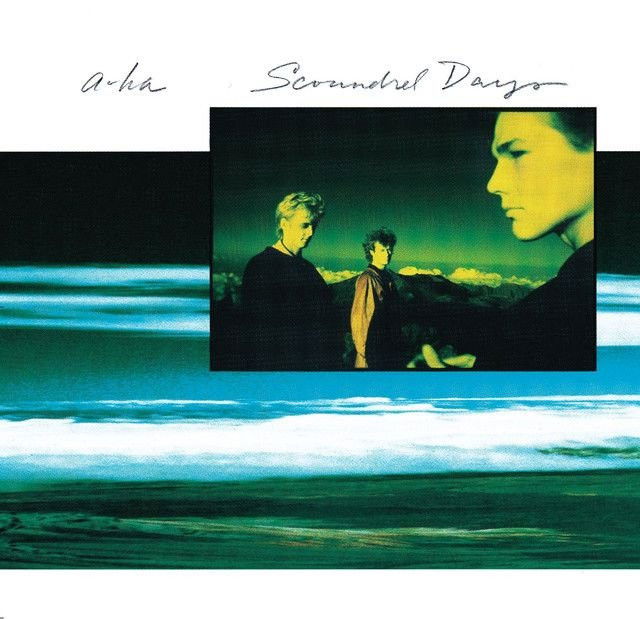
When people search for the meaning of I've Been Losing You a‐ha, they often notice two things at once: the song sounds huge and polished, but the words feel nervous, jagged, and deeply personal. Released as the lead single from Scoundrel Days in 1986, it marked a darker turn for a-ha than the bright rush of “Take On Me.” According to chart data summarized by Wikipedia, the single reached No. 1 in Norway and Denmark and No. 8 in the UK, showing that this moodier style connected widely.
"I've Been Losing You" - a‐ha
Rinsed out the colours of your eyes
Putting the gun down on the bedside table
Loading lyrics...
Unable to load lyrics
We're unable to display the lyrics at this time. Please try again later.
A breakup song with guilt at its center
At its core, the song is about a relationship collapsing while the speaker slowly realizes they helped destroy it. This is not a clean “you left me” story. It is a self-accusing song, where the narrator seems trapped between denial and confession.
The opening pushes listeners into that uneasy space. The rain is mentioned, but the singer quickly suggests the weather is not to blame. In other words, outside forces did not ruin the relationship; human choices did. That shift matters because it turns the song inward. When the narrator admits acting so coldly
, they sound shocked by their own behavior.
Interpretation: the title line suggests loss as a process, not a single moment. They were not abandoned overnight. They were letting someone slip away through distance, harshness, and emotional failure.

Watch the official I've Been Losing You
music video
The story feels like a confession in motion
One reason the song hits hard is that it unfolds like a mind replaying a terrible night. Instead of giving a neat timeline, it offers fragments: a room, a bedside table, a mirror, a plea for conversation. Those details make the scene feel immediate and unstable.
The most debated image is the line about putting the gun down
. Many listeners read it literally because it sounds so stark. Others hear it more symbolically, as an image of danger, anger, or the thought of irreversible harm. The song never fully explains it, and that ambiguity is part of its power.
Please now, talk to me
Tell me things I could find helpful
That short plea shows the emotional turn. After the speaker acts detached and destructive, they suddenly beg for guidance. They want to be stopped, fixed, or forgiven, but they may already be too late.
Verse details that sharpen the meaning
Several lines deepen the sense of self-recognition. The image of our screams competing
turns the relationship into open conflict. This is no quiet drifting apart. Both people are locked in a fight where each voice tries to overpower the other.
Then comes the mirror image: half a man
. Paraphrased, the narrator looks at himself and sees damage, weakness, and a broken identity. He is not just losing a partner; he is losing the version of himself he thought was solid.
Another striking moment is the wish for guilt to take over. Instead of escaping blame, the speaker almost invites punishment. That matters because it suggests they know their pain is earned. The song’s drama comes from that mix of self-defense and self-condemnation.
How the chorus changes the whole song
The chorus sounds simple, but it carries the emotional weight of everything around it. When the singer says I have lost my way
, it broadens the meaning beyond romance. This is not only about losing another person. It is also about moral confusion and personal collapse.
That is why the title phrase feels so strong. “Losing you” can mean at least three things at once:
- losing a lover emotionally
- ruining trust through one’s own actions
- losing control of oneself in the process
Interpretation: the hook works because it refuses to separate those losses. In this song, heartbreak and self-reckoning are the same event.
The sound makes the guilt feel physical
A-ha were often labeled synth-pop, but “I’ve Been Losing You” has a harder edge. Wikipedia lists it as a release from Scoundrel Days written by Pål Waaktaar and produced by Waaktaar with Magne Furuholmen. That creative control helps explain why the track feels so tightly matched to its lyrics.
The production is tense rather than dreamy. The drums strike with force, the keyboards create a cold atmosphere, and Morten Harket’s vocal moves between control and strain. Even when the melody soars, the arrangement keeps pushing unease underneath it.
This matters for the meaning of I've Been Losing You a‐ha because the music does not soften the words. It amplifies them. The polished pop surface draws listeners in, but the pounding rhythm and sharp textures suggest panic, guilt, and emotional danger.
Why this song mattered for a-ha’s image
For many U.S. listeners, a-ha are still tied to the sleek pop of “Take On Me.” But this single showed they could be much darker and more psychologically complex. As the lead single from their second album, it helped signal that Scoundrel Days would not simply repeat their breakthrough formula.
Its commercial reach also proves that darker material did not push audiences away. The song sold strongly worldwide, with Wikipedia noting over 1.1 million copies sold. That success suggests listeners responded to the tension between catchy songwriting and difficult emotion.
Final reading: a song about damage already done
The best way to hear this track is as a confession from someone who understands the truth only after the damage is underway. They keep asking for help, but their words sound late, desperate, and unsure. The song’s emotional force comes from that timing.
So, the meaning of I've Been Losing You a‐ha is less about one breakup event than about the slow recognition of responsibility. It captures the awful moment when a person sees that love did not just disappear. They helped break it.
Disclaimer: Song meanings are interpretive. This reading is based on the released lyrics, recording context, and documented release information, but listeners may hear different nuances.







