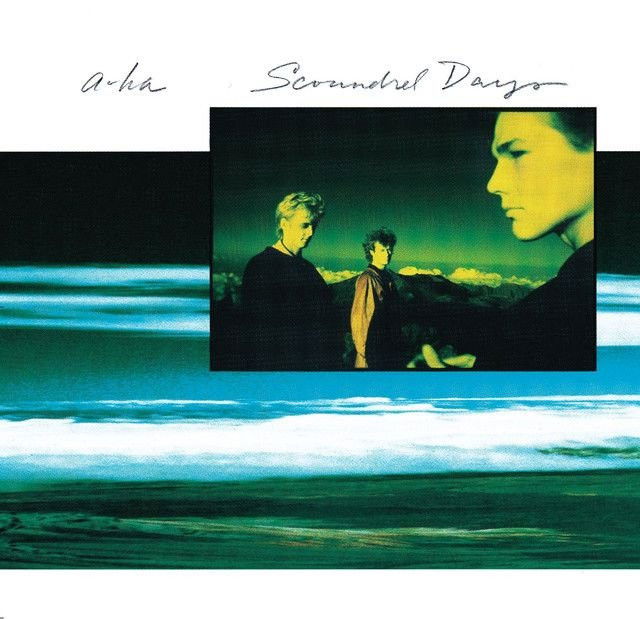
Scoundrel Days by a‐ha
A‑ha’s title track feels like a sprint through a bad night toward a stubborn kind of hope. For listeners searching for the meaning of Scoundrel Days a‑ha, this opener sets the album’s darker vision: the world can be cruel, but love is still a force worth running toward.
"Scoundrel Days" - a‐ha
It wasn't me for sure
I lift my head up from uneasy
Loading lyrics...
Unable to load lyrics
We're unable to display the lyrics at this time. Please try again later.
Fear Turns Into Motion
The song begins in a tense bedroom scene—restless mind, creeping panic—before pushing the narrator out the door. The small details, like uneasy pillows
, make the fear intimate and physical. Soon the camera widens to a silent street where the dark makes no noise
.
Interpretation: the track maps anxiety into action. Instead of folding under dread, the narrator chooses to move, climb, and fight back. The phrase scoundrel days
names an era that forgives everything “but greatness,” a bitter nod to mediocrity rewarded while ambition gets punished. Yet the refrain keeps pointing to purpose.
Watch the official Scoundrel Days
music video
Who’s Speaking, and Why It Matters
It’s a first-person voice that feels cornered but proud. They head for the steep hills
—a simple image that turns into a mission statement. Hills are hard. Choosing them means the narrator accepts pain as the price of escape.
Interpretation: the “I” could be an artist under pressure, a citizen in hostile times, or anyone waking to a mental storm. The specificity of the images keeps it personal, even if the villains remain nameless.
The Refrain’s Claim of Freedom
The chorus reframes the chase, insisting hope is still possible in a broken world:
And see, as our lives are in the making
We believe through the lies and the hating
That love goes free
Interpretation: this isn’t naive optimism. It’s defiance. “Love” reads as conscience, integrity, or devotion to something true. In the arithmetic of the song, movement plus belief equals a path through the night.
What Actually Happens: A Quick Timeline
- Wake in dread and leave the room. The narrator’s mind scrapes against dark thoughts but refuses to stay put.
- Step outside into stillness. That quiet becomes menacing, then motivating.
- Climb toward safety. The steep route suggests risk and grit.
- Hit the edge of town. Injury appears—
blood in my hair
—hinting the chase isn’t only in their head. - Survive the grasp of others. Grabbing hands swarm, but the narrator breaks free and “runs into the air,” which can signal escape, shock, or transcendence.
Symbols and Motifs, Decoded
- Night and silence: The hush of
the dark makes no noise
amplifies paranoia; enemies are implied, not shown. - Hills: Obstacles that become a choice. Climbing is autonomy in action.
- Blood and hands: Physical stakes. Whether literal or dreamlike, harm is real.
- Burning houses and new morning: Destruction paired with renewal—fear of loss next to a dawn that resets the board.
Scoundrel days
: A label for corrupt times, where cynicism thrives. The phrase gives the song its moral context.
Interpretation: in this world, the only clean currency is “love”—steadfastness against a crowd that grabs and judges.
How the Sound Tightens the Grip
Released in 1986 on their second album Scoundrel Days, the track leans into icy synths, taut drum programming, and guitar accents that cut like headlights through fog. Producer Alan Tarney’s precision helps stage the chase, while the band’s own production touches keep it sharp and atmospheric. Pål Waaktaar and Magne Furuholmen wrote the song; Morten Harket’s vocal arcs from hushed to soaring, mirroring panic turning to resolve.
Across the album, a‑ha shifted from bright synth-pop to a moodier, pop‑rock edge. The opener’s tension establishes that change: a locked‑in rhythm suggests pursuit, synth pads stretch like night air, and the hook lifts just enough to feel like a ledge reached in time.
Alternate Ways to Read It
- Interpretation—Fame and backlash: After sudden global success, the band faced pressure. The grabbing “hands” can feel like the press or industry pulling at the body, while pride “hits my face” could be the sting of scrutiny.
- Interpretation—Cold‑War dread, everyday defiance: Mid‑’80s unease seeps through the language of lies, hate, and burning homes. The song takes private fear and sets it against public anxiety.
- Interpretation—Anxiety turned ritual: The night run becomes a coping act. Movement channels intrusive thoughts into a task—keep going, reach daylight, hold onto what’s true.
Why It Still Lands
For U.S. listeners today, the meaning of Scoundrel Days a‑ha remains timely: a lived sense that institutions may fail you, but your values don’t have to. The song doesn’t promise rescue; it offers a route—move, endure, and protect your center.
Final Take
Scoundrel Days is a chase scene with a conscience. It names the era as crooked, then dares love to move anyway. That stubborn, sprinting hope is why the song opens their darker second act—and why it still stings and uplifts.
Disclaimer: Song meanings are subjective. This reading draws on lyrics, production, and historical context; your interpretation may differ.