Why "Save Me" by Aimee Mann Still Hurts
The meaning of Save Me Aimee Mann comes down to one painful question: can love pull someone out of emotional exile, or is that hope itself a fantasy? The song sounds simple on the surface, but it carries fear, longing, and self-doubt in almost every line.
"Save Me" - Aimee Mann
For a girl in need of a tourniquet
But can you save me
Loading lyrics...
Unable to load lyrics
We're unable to display the lyrics at this time. Please try again later.
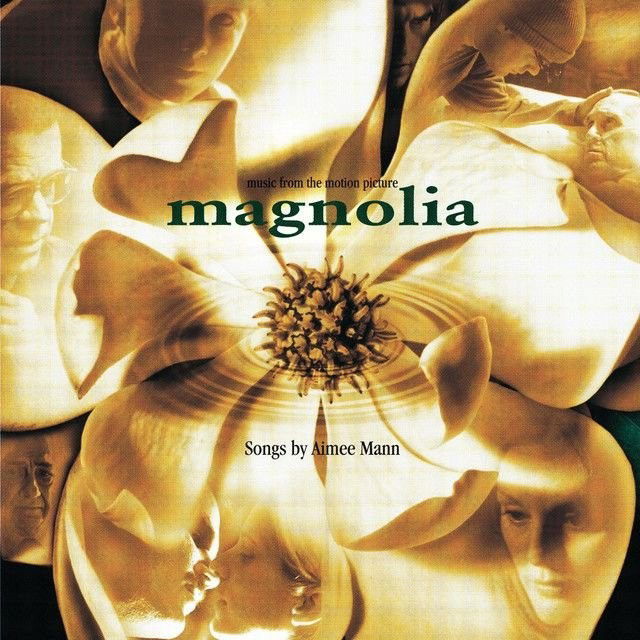
Written for Magnolia and released in 1999, "Save Me" became one of Mann's signature songs. It appeared on the film's soundtrack, was nominated for an Oscar and a Grammy, and helped lift her profile at a key point in her career, according to widely cited release histories and interviews collected by reference sources such as Wikipedia's summary of the song and film context.
A Plea That Knows Rescue May Not Come
At the center of the song is a person who sees someone new and immediately imagines rescue. Early on, Mann uses the phrase perfect fit
, but the idea is not cheerful or easy. The speaker is not just looking for romance. They are looking for relief.
That is why the image of a tourniquet
matters so much. A tourniquet stops bleeding. In other words, this relationship is framed as emergency care, not casual attraction. The speaker sounds wounded before the love story even begins.
Interpretation: The song is about the dangerous hope that another person can stop inner damage. It is both sincere and uneasy. The speaker wants saving, but they also seem aware that asking another person to heal them may be too much.
Watch the official Save Me
music video
The Chorus Turns Desire Into Self-Diagnosis
When the song reaches its hook, the request save me
sounds direct. But the real emotional punch comes from what follows: the speaker wants to be rescued from a group of outsiders who believe they may never truly love anyone.
That idea matters more than the title alone. The song is not only saying, "Help me." It is saying, "Help me escape a way of being." The repeated mention of the ranks of the freaks
suggests a whole identity built around alienation.
Who are the "freaks"?
They are not monsters in a literal sense. They seem to represent people who feel broken, emotionally blocked, or cut off from ordinary intimacy. The speaker fears belonging to them.
Interpretation: Mann uses that label to show shame and self-awareness at the same time. The speaker knows they are not alone in their damage, but that does not make the loneliness easier.
Verses Full of Recognition, Not Fantasy
One of the song's smartest moves is that it does not describe the other person as perfect. Instead, the speaker believes that person understands pain too. When Mann refers to the hunger strike
, she evokes deprivation and stubborn endurance.
That image suggests a long period of going without love, comfort, or emotional safety. The line implies mutual recognition: the speaker thinks the other person knows what this kind of emptiness feels like.
This is why the song lands so hard. It is not built on naive rescue-movie logic. It is built on wounded people recognizing each other and hoping that shared damage might become shared healing.
Superhero Images With a Twist
Later, Mann compares the other person to dazzling, larger-than-life figures, including Peter Pan and Superman. She also says they struck the speaker down like radium
, which is a strange and brilliant choice.
Radium glows, but it is also dangerous. That combination fits the song perfectly. Attraction here is bright, exciting, and maybe harmful. The beloved figure feels magical, but not necessarily safe.
Interpretation: These references complicate the rescue fantasy. The speaker wants a savior, yet the song keeps hinting that idealizing someone can become another form of trouble.
How the Sound Supports the Meaning
Part of the meaning of Save Me Aimee Mann comes from its understated sound. The track is often described as contemporary folk, and its production is featherlight rather than grand. That matters.
Instead of exploding into melodrama, the arrangement stays controlled and intimate. Mann produced the song herself, and that restraint lets the lyrics do their work. The vocal delivery is calm, almost conversational, which makes the desperation feel more believable. It sounds like someone trying to stay composed while admitting they are in emotional danger.
That contrast also helped critics remember the song. Retrospective praise has often focused on how gentle production carries deep hurt, with major outlets later highlighting its tenderness and precision.
Why Magnolia Deepens the Song
The song's connection to Magnolia is not accidental background. Paul Thomas Anderson built the film around damaged people seeking forgiveness, connection, and mercy. Mann's writing fit that emotional world so well that the song felt bigger than a typical soundtrack single.
The music video, directed by Anderson during the film's production, even places Mann inside scenes from the movie. That visual link reinforces the same theme: people living beside one another, wounded in different ways, all hoping for some kind of grace.
A Final Reading That Explains Its Lasting Power
What makes "Save Me" endure is that it never fully decides whether rescue is possible. It asks for transformation, but it also distrusts the wish. That tension is the song.
On one level, it is a love song about finding someone who might break a cycle of loneliness. On another, it is about the fear that lonely people keep choosing versions of their own pain. The repeated structure of the chorus traps the speaker in that thought, almost like they are trying to convince themselves that escape is still available.
In the end, Mann does not offer a neat cure. They present longing as both brave and risky. That honesty is why the song still hits so hard.
Disclaimer: This interpretation is based on the lyrics, recording context, and documented background, but song meaning can remain personal and open to more than one reading.








