
Why 'The One That You Love' Still Hurts
The meaning of The One That You Love Air Supply comes down to one aching idea: they are singing about the fear of losing a perfect moment of love when morning arrives. It is not a breakup song in the usual sense. Instead, it lives in the fragile space right before separation, when one person begs for a little more time and hopes love itself will be enough to stop the clock.
"The One That You Love" - Air Supply
Now the night has gone away
Doesn't seem that long
Loading lyrics...
Unable to load lyrics
We're unable to display the lyrics at this time. Please try again later.
Released in 1981 as the title track from Air Supply’s album The One That You Love, the song was written by Graham Russell and became the duo’s only No. 1 hit on the Billboard Hot 100 in the U.S. It was produced by Harry Maslin and Air Supply, with Russell Hitchcock on lead vocals. Those facts matter because the record’s huge success came from how clearly it turned private longing into a mainstream pop ballad. Critics at the time also noticed its scale, with Cash Box calling it a "string-laden" return to the duo’s urgent romantic style.
A Love Song About Time Running Out
At its core, the song describes two people at the end of a night together. The speaker does not want the morning to arrive, because daylight means reality, distance, or some kind of parting. When they ask for another day
, the request is simple on the surface, but emotionally it is much bigger. They are really asking for love to continue without interruption.
That is why the early verses matter so much. The night feels brief, the conversation feels unfinished, and the closeness feels too rare to lose. The line the morning's come
is treated almost like bad news. In this song, morning is not hopeful. It is the end of intimacy.
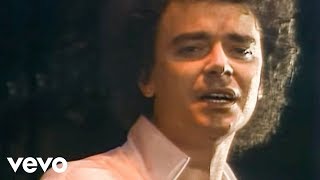
Watch the official The One That You Love
music video
The Chorus Turns Need Into Devotion
The chorus is the emotional center because it shifts from scene-setting to confession. When the singer says Here I am
and names themselves as the one that you love
, they are not just reminding the other person of the relationship. They are making a case for why this moment should not end.
Interpretation: this is what gives the song its tension. The speaker sounds loving, but also vulnerable. They know they are loved, yet they still need reassurance. That mix of confidence and insecurity is what makes the song feel human instead of idealized.
The next idea deepens that feeling. The repeated claim that this person loves you in so many ways
suggests that love is abundant, but time is limited. The song’s pain comes from that contrast: there is plenty of feeling, but not enough time to fully live in it.
How the Story Moves From Night to Loss
The song follows a very clear emotional timeline:
- A night of closeness is ending.
- The speaker resists the arrival of morning.
- They ask to stay together longer.
- They present their love as reason enough to remain.
- By the end, the night is gone and words fail them.
That last turn is especially effective. Once the night becomes part of yesterday, the speaker no longer has a persuasive argument. They only have feeling. The repeated uncertainty about what to say shows that language breaks down when emotion gets too strong.
Here I am
the one that you love
askin' for another day
This short refrain says almost everything. They are present, devoted, and afraid that presence will not last.
The Main Symbols Are Simple but Powerful
Air Supply do not use complicated imagery here. The song relies on a few basic motifs that almost anyone can understand:
- Night: privacy, romance, and emotional safety
- Morning: separation, reality, and ending
- Arms/embrace: protection and temporary escape
- Another day: hope, delay, and a wish against time
Because these symbols are so familiar, the song feels immediate. It does not need abstract poetry. It works through emotional clarity.
Interpretation: the phrase we have the right
is important too. It suggests the lovers believe their connection is valid, even if the outside world may interrupt it. That line adds a quiet sense of resistance, as if love itself is a claim they are trying to defend.
Why the Music Makes the Plea Land
The arrangement is a big reason the song became so memorable. Air Supply were experts at soft rock ballads that sounded both gentle and dramatic. Here, the production supports the lyric by moving slowly and giving Hitchcock’s voice room to stretch each emotional turn.
The melody rises in the chorus, which makes the plea sound larger and more urgent. The lush backing, especially the smooth pop-rock texture and orchestral feel noted in contemporary reviews, gives the song a floating quality. That matters because the singer wants to stay suspended in one moment, not move forward.
Hitchcock’s lead vocal is crucial. He sings with tenderness rather than force, so the song feels less like a demand and more like a heartfelt request. That balance keeps the track romantic instead of possessive.
A Bigger Air Supply Pattern
This song fits a broader Air Supply theme: love as something emotionally overwhelming, even when the words are plain. Many of their biggest hits turn simple statements into high-stakes feelings. That style helped the duo connect with American pop audiences in the early 1980s, especially on adult contemporary radio.
In that context, The One That You Love stands out because it strips the drama down to one situation: two people, one ending night, one plea for time. There is no grand plot twist. The intensity comes from how ordinary the moment is.
The Lasting Meaning
So, what is the meaning of The One That You Love Air Supply? It is a song about wanting love to last just a little longer when time is clearly moving on. Its power comes from a universal fear: that the best moments in life are often the shortest.
That is why the song still lands decades later. It understands that sometimes love is not tested by betrayal or distance. Sometimes it is tested by dawn.
Disclaimer: This interpretation is based on the lyrics, recording context, and documented release history. As with any song, listeners may hear meanings that differ from the ones discussed here.








