Why AJR's 'The Good Part' Hits So Hard
The central idea behind the song
The meaning of The Good Part AJR centers on impatience. The song captures the feeling of being young, unsure, and tired of waiting for life to become meaningful. Instead of enjoying the slow build of adulthood, they wonder if it is possible to jump ahead to the moment when everything finally makes sense.
"The Good Part" - AJR
Ah, ah-ah-ah
One two three four
Loading lyrics...
Unable to load lyrics
We're unable to display the lyrics at this time. Please try again later.
That is why the hook lands so well. When they ask skip to the good part
, they are not really talking about a movie or a song. They are talking about life itself. They want to fast-forward past confusion, failed experiments, and the awkward years in between.
This is what makes the track connect with so many listeners in the United States and beyond. It gives a simple phrase to a very common fear: what if the present is only filler, and the real life they want has not started yet?
Watch the official The Good Part
music video
A quarter-life crisis in pop form
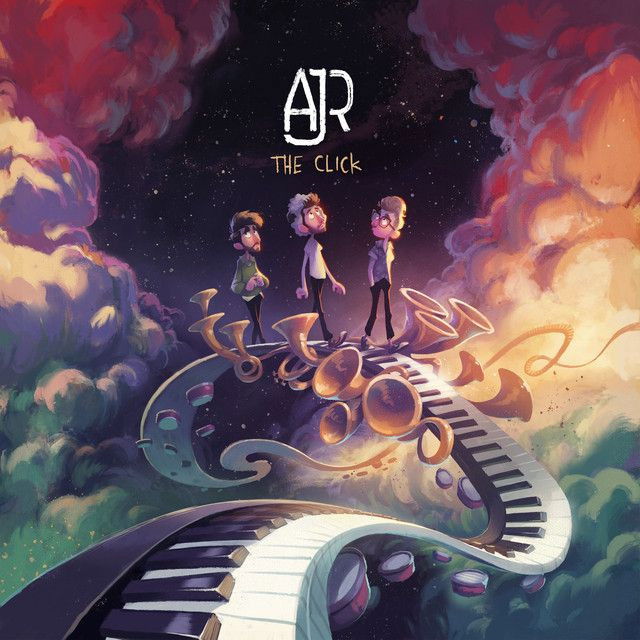
AJR often write about modern anxiety, growing up, and the pressure to figure things out. "The Good Part" appeared on their 2017 album The Click, a record that helped define their mix of pop, electronic production, and emotionally open writing.
In this song, the speaker sounds stuck between hope and disappointment. Early lines ask whether they have done enough and whether these are already their best years. That idea is heavy because it turns a normal young-adult worry into a deadline. If life is supposed to be exciting now, what happens if it does not feel that way?
They also admit they expected to be important by this point. That confession matters. It is not pure arrogance. It sounds more like a person who grew up expecting progress, only to find that adulthood is slower, messier, and less cinematic than promised.
How the verses build the feeling of frustration
Small scenes, bigger disappointment
One of the smartest things in the song is how it moves from large questions to ordinary details. They wonder about success and purpose, then mention campus naps and smoking at dances. Those moments suggest they have tried the classic signs of youth and freedom, but the experiences do not transform them.
The key emotional point is that none of it feel so great
. The song is not saying these actions are shocking or tragic. It is saying they are underwhelming. The life they thought would feel exciting instead feels flat.
That flatness is why the chorus feels earned. By the time the hook returns, the wish to rush ahead seems less childish and more desperate.
Life as a movie that will not resolve
Another important image compares life to a film. They ask whether, if this scene were on a screen, it would count as a happy ending. That is a clever way to show how people judge their lives through stories they have learned from culture.
Movies move with purpose. Real life often does not. So when they wonder whether the world will get them where they are supposed to be
, they reveal the real problem: they are not just impatient. They are afraid there may be no clear moment of arrival at all.
What the repeated ending really means
Near the end, the song shifts. Instead of asking to jump ahead, they repeat a calmer truth: These things take time
. That line sounds simple, but it changes the song.
On one level, it offers comfort. Their parents seem to have built stable lives, which suggests growth happens slowly. On another level, the line does not fully solve anything. They still ask what they are going to do with their own life, and the question remains open.
These things take time
Mom and dadhave a good life
but what are they gonna do with theirs?
That brief closing thought matters because it turns the song from complaint into realization. They know patience is necessary, but knowledge does not erase anxiety. In fact, it may deepen it.
How AJR's sound supports the message
Production is a big part of why the meaning of The Good Part AJR feels so immediate. AJR are known for bright, homemade, highly edited pop built from layered vocals, electronic beats, and theatrical changes in texture. The brothers have discussed their DIY process in interviews, including with Rolling Stone.
Here, the song balances upbeat rhythm with emotional unease. The counting pattern and vocal bursts make it feel playful at first, almost like a children’s chant or a stage cue. But that is exactly the point. The track sounds like someone trying to package confusion into something catchy and manageable.
The chorus opens up melodically, which gives the wish to fast-forward a bigger emotional space. Then the repeated vocal sounds create a loop, as if they are stuck in the same thought again and again. The production mirrors the theme: motion without real progress.
Two strong ways to read the song
Interpretation 1: The song is about a quarter-life crisis. This is the most direct reading. They feel behind, compare themselves to imagined success, and want relief from uncertainty.
Interpretation 2: The song is also about how entertainment shapes expectations. By thinking in terms of scenes, endings, and the “good part,” they reveal how modern life can feel disappointing when measured against curated stories.
Both readings work together. The personal anxiety comes from a broader cultural habit of expecting constant highlights.
Why the song still resonates
"The Good Part" remains popular because it names a feeling many people hide: the fear that life is taking too long to begin. AJR turn that worry into a clean, memorable pop song without pretending to solve it.
Their answer is honest. Growing up is boring sometimes. Progress is uneven. Meaning usually does not arrive on schedule. That honesty is the real heart of the song.
For listeners searching for the meaning of The Good Part AJR, the clearest takeaway is this: it is about wanting certainty, learning patience, and realizing those two desires often clash.
Disclaimer: This interpretation is based on the released song, public artist context, and critical reading of the lyrics. As with any song, listeners may hear it differently.









