Why Akon’s 'Locked Up' Still Hits Hard
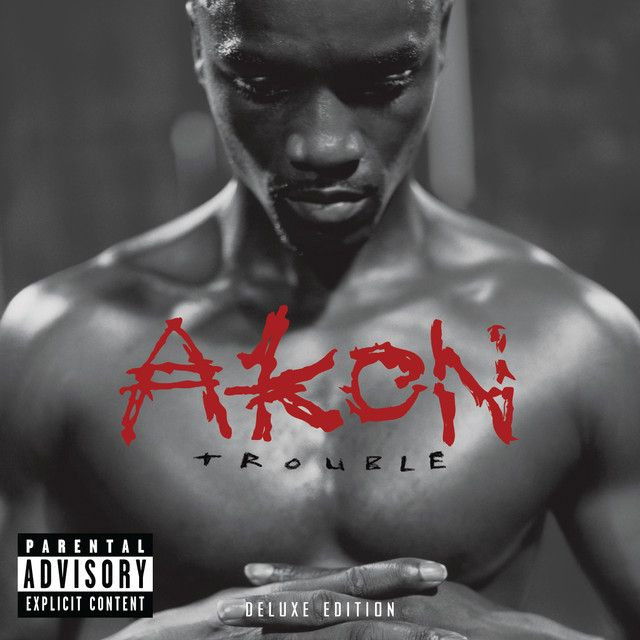
The meaning of Locked Up Akon starts with a simple fear: what happens when freedom is gone and everyday life turns into survival. Released as the lead single from Trouble in 2004, the song became Akon’s breakout introduction to many listeners and peaked at No. 8 on the Billboard Hot 100. It was written and produced by Akon, and it helped establish the mix of melody, street realism, and confession that defined his early career.
"Locked Up" - Akon
And I had a long day in court, shit stress me out
Won't give me a bail, they can't get me out
Loading lyrics...
Unable to load lyrics
We're unable to display the lyrics at this time. Please try again later.
A Song About Prison — and About Consequences
At the most direct level, “Locked Up” tells the story of a man in jail after crime and police pressure catch up with him. The verses move from the street economy to arrest, then into the humiliating routine of incarceration. Instead of glamour, the song gives listeners bleak details: drab walls, bad food, broken phones, and the boredom of being stuck.
That is why the hook matters so much. When Akon repeats they won't let me out
, he reduces the whole experience to one unbearable truth. The line is not complicated, but that is the point. Jail strips life down to a few basic needs, and the chorus sounds like a mind trapped in a loop.
Interpretation: The song is not only about prison bars. It also suggests being trapped by past choices, bad systems, and the reputation a person builds around themselves.

Watch the official Locked Up
music video
Where Akon’s Real Story Meets the Song
Akon has linked the song to his own life. According to Songfacts, he said jail became a turning point, explaining in a brief quote that he realized there's got to be another way
. That statement helps explain why the song feels more personal than a standard crime narrative.
There is also some disagreement in public sources about the exact details of Akon’s legal history. Songfacts presents the song as autobiographical in spirit, while Wikipedia notes controversy around some claims about his past. The safest reading is this: Akon clearly used the idea of incarceration as a major part of his artistic identity, and he openly described jail as a life-changing experience.
That context deepens the meaning of Locked Up Akon. It is not just performance. It is a song built from a persona shaped by real risk, real regret, and real ambition.
How the Story Unfolds Line by Line
The song works because it follows a clear emotional timeline:
- The narrator is caught in the justice system.
- He describes the shock of county jail and the loss of comfort.
- He reflects on the actions that led him there.
- He feels abandoned as visits and money dry up.
- He starts thinking about life after release.
Akon uses small details to keep the song grounded. A phrase like long day in court
captures the weariness of the legal process. Later, visitation no longer comes by
shows a second punishment beyond prison itself: people on the outside move on.
That shift is crucial. Early in the song, the narrator sounds tough and defensive. Later, he sounds lonely. By the end, the bravado fades and a future-oriented voice appears. The song becomes less about image and more about cost.
Why the Chorus Feels So Universal
Even listeners who have never been incarcerated can understand the emotional logic of the refrain. The repeated hook turns a specific story into a broader feeling of helplessness. That helps explain the song’s wide reach in the U.S. and abroad, where it charted strongly in multiple countries, including the UK and Ireland, according to Wikipedia.
Interpretation: The chorus can be heard as social commentary too. It points to how easily people can be swallowed by systems larger than themselves, especially once they are already marked as guilty, dangerous, or disposable.
The Sound of Confinement
Musically, “Locked Up” is as important as its lyrics. It sits between R&B and hip-hop, with a slow, heavy groove and a dark, stripped-down arrangement. There is space in the beat, and that empty space matters. It sounds boxed in.
Akon’s voice does not attack the beat so much as endure it. His melodic delivery makes the pain feel exposed rather than hidden behind pure rap aggression. That balance gave him crossover appeal. Wikipedia lists the song as R&B and hip-hop, and that blend is exactly why it works: the beat carries street realism, while the singing carries vulnerability.
Producer Knobody said the track was chosen to break Akon in the streets first
before crossing over, as summarized in Wikipedia’s background section. That strategy shows in the song’s design. It sounds hard enough for rap radio, but emotional enough for pop listeners.
The Styles P Feature and the World Around the Song
The best-known remix featured Styles P, adding a harsher East Coast rap voice to Akon’s melodic frame. That version widened the song’s perspective by making prison sound not like one man’s confession, but like a shared urban reality.
The original also launched Akon’s mainstream run. Songfacts and Wikipedia both note its major chart success and lasting afterlife through remixes and later reinterpretations. A song this stark usually does not become a crossover hit unless it touches a nerve.
What 'Locked Up' Ultimately Means
In the end, the meaning of Locked Up Akon is about consequence, isolation, and the first spark of transformation. The song begins with panic and frustration, but it slowly opens into something more reflective. Even a line like move forward with my life
changes the emotional center of the track. The narrator no longer just wants out of jail; they want out of the cycle.
That is why the song lasts. It captures punishment, but it also captures the moment a person starts to imagine another future.
Disclaimer: This interpretation mixes documented background with critical reading of the lyrics and sound. Meaning can vary from listener to listener.









