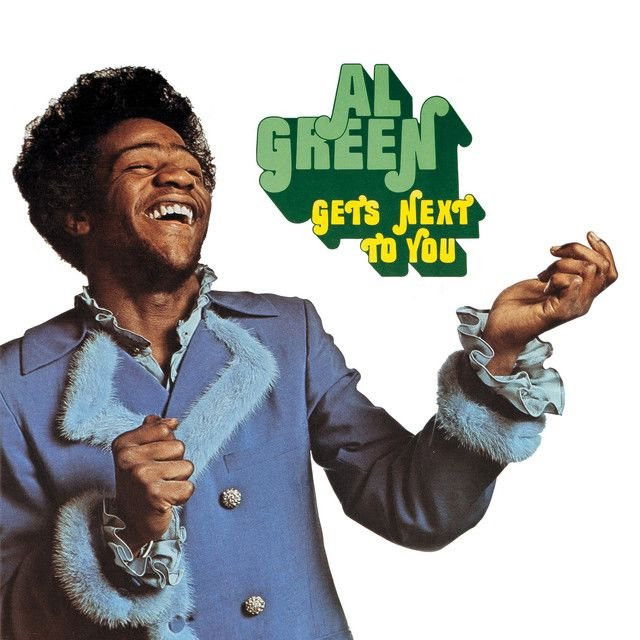
Why Al Green Made Rejection Sound So Soulful
The meaning of I Can't Get Next to You Al Green comes down to one sharp idea: a person can seem powerful in every part of life and still feel helpless in love. In Al Green's hands, that idea becomes less playful than the famous Temptations original and more wounded, tender, and personal.
"I Can't Get Next to You" - Al Green
Oh I,
Can turn the gray sky blue, I
Loading lyrics...
Unable to load lyrics
We're unable to display the lyrics at this time. Please try again later.
The song was first written by Norman Whitfield and Barrett Strong and became a No. 1 hit for the Temptations in 1969, before Green recorded his slower version for Al Green Gets Next to You in 1970. That version was produced by Willie Mitchell and reached No. 11 on the U.S. R&B chart and No. 60 on the Hot 100, according to the research data summarized from Wikipedia and Songfacts.
A Big-Boast Love Song With a Small, Human Core
On the surface, the narrator sounds almost superhuman. They claim they can change nature, time, and money itself. The point is not that the song believes these powers are real. It uses wild exaggeration to build a contrast.
After those impossible boasts, the hook lands with a simple defeat: I can't get next to you
. That phrase turns the whole song inside out. All the grand claims become proof that romance is the one place where ego fails.
Interpretation: The song is about the limits of control. A person may think they can master everything, but love refuses to obey pride, talent, or force.

Watch the official I Can't Get Next to You
music video
How the Verses Build the Joke and the Pain
Each verse piles up impossible images. The singer says they can turn the gray sky blue
, build a castle
, and even turn back the hands of time
. These images are flashy, but they are also childish on purpose, like a fantasy list of powers.
That is why the emotional turn works. After sounding huge, the narrator suddenly sounds very ordinary. They are not asking for a kingdom. They just want closeness with one person.
The song even makes room for confusion and embarrassment. Near the end, the singer admits they have been trying all day and still do not know what to say. That shift matters. It moves the song from swagger into vulnerability.
What the Chorus Really Means
The phrase can't get next to you
is simple, but it carries several shades of meaning. It can mean:
- they cannot get the person's attention
- they cannot win romantic acceptance
- they cannot reach emotional intimacy
- they cannot bridge distance, despite desire
Because the wording is broad, the chorus feels universal. Many listeners hear either a crush, a breakup, or one-sided love in it.
Interpretation: The genius of the chorus is that it does not over-explain. It leaves room for the listener's own story while keeping the emotion clear.
Why Al Green's Version Hits Differently
The Temptations' 1969 recording is lively, theatrical, and driven by vocal trade-offs among all five members, a performance style noted in Songfacts and reflected in the song's well-known arrangement history. Green's take changes the emotional center.
Instead of group showmanship, he brings intimacy. His version is slower, smoother, and less about playful competition between voices. With Willie Mitchell's Memphis-style production behind him, the groove breathes more. The rhythm section sits back, the horns and organ color the edges, and Green's voice becomes the main drama.
That matters for meaning. On the Temptations version, the song can feel like a clever soul performance about love's irony. On Green's version, it feels more like a confession.
The Sound of Confidence Cracking
Green was early in his Hi Records rise when he recorded this song, before later signature hits would define his style even more clearly. Even so, listeners can already hear the traits that made him special: a floating tenor, a conversational cry, and a way of making bravado sound fragile.
When he pushes into lines of frustration, he does not sound all-powerful. He sounds exposed. That is why the song works so well as an Al Green record. He turns comic exaggeration into emotional truth.
The Key Themes Running Through the Song
Several themes hold the song together:
Power versus helplessness
The most obvious theme is the gap between what someone can do in fantasy and what they cannot do in real life. Love cuts through performance.
Masculine pride meeting emotional reality
The singer starts by presenting strength and command. Then the mask slips. They admit another person has become the key to my happiness
. That is a striking surrender.
Desire for closeness
The title is not really about physical distance alone. It is about access, acceptance, and being let in.
A Short Reading of the Ending
The later spoken-style lines are important because they shrink the song's scale. After all the cosmic claims, the singer cannot even complete a basic task: reach the person directly. That detail makes the song human.
I've been trying a long timeI don't know what to do
Those lines strip away the earlier magic. What remains is longing, awkwardness, and need.
Final Take on the Song's Meaning
The meaning of I Can't Get Next to You Al Green is not just that love is hard. It is that love makes pride look small. The song sets up a giant, then reveals a person who is stuck, hopeful, and emotionally at the mercy of someone else.
Al Green's version deepens that message by slowing the song down and singing it as lived feeling rather than pure show. The result is a soul performance where the biggest line is also the saddest one: all the imagined power in the world means nothing without connection.
Disclaimer: This interpretation is based on the lyrics, performance, and documented recording context. As with most songs, listeners may hear different meanings in the same lines.







