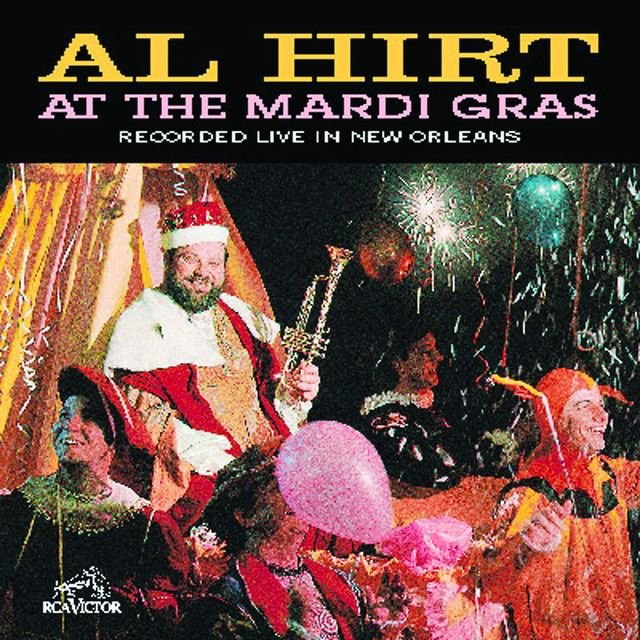
Diga Diga Doo by Al Hirt
They don’t need a dictionary to feel the pull of “diga diga doo.” In Al Hirt’s version of the 1928 standard, the horn sells a simple idea: love hits like rhythm, and rhythm makes the world spin a little faster.
"Diga Diga Doo" - Al Hirt
Gear his heart beat a little tattoo
Diga diga doo diga doo doo
Loading lyrics...
Unable to load lyrics
We're unable to display the lyrics at this time. Please try again later.
Why This Nonsense Hook Feels Like A Heartbeat
At its core, the song turns desire into sound. The chorus links affection to a burst of syllables—playful and percussive—so the emotion arrives as rhythm first, language second.
You love me and I love you And when you love it is natural to Diga diga doo
Interpretation: The hook claims that when people fall for each other, they move and speak differently. The syllables act like a drum fill before the drop; they clear space for joy.
Watch the official Diga Diga Doo
music video
Voices in the Song: Flirtation Under Watchful Eyes
The narrator speaks in the first person, leaning into a playful identity: I'm so very diga diga doo
. They are addressing a partner, urging them to answer back in kind—or risk losing the spark. That pressure to reciprocate is framed as fun, not threat.
Another line nods to onlookers: let those funny people smile
. The couple knows people are watching and judging, yet they keep dancing. Interpretation: the song imagines a small rebellion against polite rules, where love and rhythm make the better argument.
A Quick Timeline of the Scene
- A bluesy mood sets in, then flips into motion. The opening image of a downcast figure primes a need for release.
- Flirtation blossoms. The pair acknowledges mutual love and lets the hook do the talking.
- Social judgment appears. They shrug off critics and keep moving.
- Rules get bent. Lines like
No one heeds the marriage laws
andYours is mine and mine is yours
imagine a place where personal feeling outruns paperwork.
Symbols, Slang, and the Edge of 1920s Exoticism
The lyric’s most dated moment arrives early: Zulu man is feelin' blue
. That phrasing comes from a 1920s entertainment trend that packaged Africa and the Caribbean as “exotic” playgrounds for American audiences. In historical context, it mirrors Broadway and jazz marketing of the time, which often leaned on stereotypes to sell “jungle” excitement.
Interpretation: Today’s listeners can hold two truths. First, the trope is reductive and reflects a past era’s biases. Second, the song’s core metaphor—love as rhythm—still works. When the lyric references a “Virgin isle” and shrugs that No one heeds the marriage laws
, it imagines a fantasy zone where rules relax and bodies lead. That fantasy carries the spark of liberation, even as the framing shows its age.
How Al Hirt’s Horn Sells the Feeling
Al Hirt’s version distills the idea into brass. His trumpet attacks the hook with bright tone, fast articulation, and crisp high notes. Short riffs mimic the syllables, so hearing the horn feels like hearing someone say the phrase out loud. Punchy ensemble hits and a walking pulse push the track forward; stop‑time breaks give the trumpet room to shout and answer itself.
Interpretation: Hirt’s New Orleans roots color the groove. You can hear second‑line energy in the bounce and the call‑and‑response between lead and band. When he leans into growls or shakes, it hints at the old “jungle band” textures—minus the stagey costume—translating playful nonsense into a raw, danceable sound.
The Meaning of “Diga Diga Doo” Al Hirt: One Line
The meaning of Diga Diga Doo Al Hirt comes down to this: a rush of love becomes rhythm; rhythm becomes community; the horn turns it into celebration.
Alternate Readings That Also Fit
- Interpretation: The hook is onomatopoeia for a heartbeat or drum figure—the body signaling yes before the mind catches up.
- Interpretation: The couple codes intimacy in public. Saying the phrase is a safe way to say “I’m in.”
- Interpretation: It’s gentle satire. By pushing nonsense syllables to center stage, the song teases how society polices words, even as the dance floor ignores those rules.
Takeaway You Can Hear Today
They will hear a flirt, a wink, and a groove that refuses to sit still. Al Hirt makes the nonsense make sense by letting the horn do the talking. If the words feel dated in places, the feeling remains timeless: joy that cracks the room open.
Disclaimer: This article offers interpretation based on the recording, known songwriting credits, and common historical context. Meaning can vary by performance and listener.







