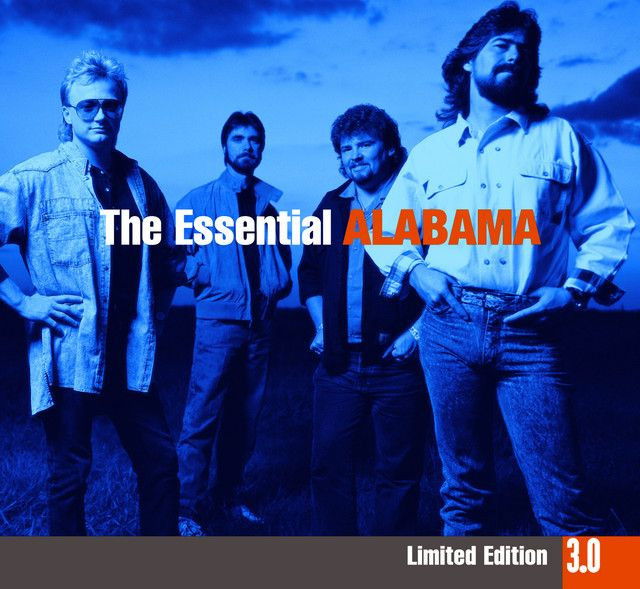
Mountain Music by Alabama
A hit about home, memory, and the kind of music that feels inherited rather than learned.
"Mountain Music" - Alabama
Provided by LyricFindOh, play me some mountain music
Like grandma and grandpa used to play
Then I'll float on down the riverLoading...Loading lyrics...
Unable to load lyrics
We're unable to display the lyrics at this time. Please try again later.
Why the meaning of Mountain Music Alabama still hits
The meaning of Mountain Music Alabama starts with longing. The song is not just asking for a tune. It is asking for a whole world to come back: grandparents, riverbanks, childhood games, and music made from feeling instead of polish.
Released in January 1982 as the lead single from Mountain Music, the track was written by Randy Owen and produced by Harold Shedd with Alabama. It became a No. 1 country hit and one of the band’s defining songs. It also helped show how Alabama could blend country, Southern rock, and bluegrass into one big radio-ready sound.[1][2]
At its core, the song says that old music can reconnect people to where they came from. That is why the refrain feels so powerful. When they sing mountain music
, they mean more than a style. They mean identity.

Watch the official Mountain Music
music video
A chorus built from family memory
The emotional anchor is the image of music that grandma and grandpa
used to play. That detail matters because it turns the song into an act of inheritance. The narrator does not present tradition as a museum piece. They present it as something living, joyful, and close.
The next images widen that feeling into a dream of escape. The line about a Cajun hideaway
suggests a place outside pressure and routine. In plain terms, the song imagines drifting away from modern stress and back toward a freer, more natural life.
Interpretation: The chorus works almost like a wish. They are not only remembering the past; they are trying to enter it again through sound.
The verses turn memory into an American myth
One reason the lyric connects so well is that it mixes personal memory with famous storybook figures. References to Tom Sawyer, Huck Finn, and Rip Van Winkle make the memories feel larger than one family. They place the song inside a classic American imagination built on rivers, rafts, naps, boyhood dares, and lazy summer days.
That is why the song feels familiar even to listeners who did not grow up in Alabama or Appalachia. The verses paint a childhood of motion and freedom: swimming, climbing, wandering, and making games out of whatever is nearby. Even odd details like chert rocks
and rough homemade bats add texture. They make the world feel specific, not generic.[2]
Interpretation: The song is idealized on purpose. It does not focus on poverty or struggle. Instead, it frames rural life as rich in imagination, play, and emotional truth.
What the “back-home” idea really means
Midway through, the lyric shifts from describing memories to defining music itself. The request for back-home
music that comes from the heart
is the song’s clearest statement of values.
In other words, the singer wants honesty over slickness. Feeling matters more than perfection. That idea fits Alabama’s image in the early 1980s, when they were helping reshape mainstream country by bringing band energy and crossover appeal without giving up regional roots.[1]
This is also where the song becomes broader than nostalgia. It is not only saying older music sounds nice. It is saying good music begins in lived experience, family, and emotion.
How Alabama’s sound carries the message
The production is a major part of the meaning. “Mountain Music” is often described as a blend of country, Southern rock, and bluegrass, and the recording makes that blend easy to hear.[1][2] The beat pushes forward like a live band, while the fiddle and acoustic textures point back to older Southern forms.
There is also a playful, almost theatrical energy in the arrangement. A famous production detail is the drum break that gave Jeff Cook time to switch instruments and pick up the fiddle, according to Randy Owen.[2] That practical choice became part of the song’s personality: it sounds loose, physical, and built for a crowd.
On the album version, extra instrumental moments deepen that effect, including a more expansive intro and a fiddle-heavy section.[1] The result is music that does what the lyric describes. It feels handmade, communal, and full of motion.
Why the song mattered in 1982 and after
The track arrived at a key moment for Alabama. By 1982, they were already rising fast, and “Mountain Music” became their sixth No. 1 country single.[1] It helped confirm that a self-contained band could dominate country radio while sounding bigger and more contemporary than many of their peers.
Its long afterlife says just as much. The song has been praised as a modern country classic, and Rolling Stone ranked it among the greatest country songs in 2024.[1] That staying power comes from its balance: it is regional but accessible, sentimental but energetic, old-fashioned but huge.
A final reading of its lasting appeal
The meaning of Mountain Music Alabama is ultimately about belonging. The song imagines music as a bridge between generations, places, and versions of the self. It says that hearing the right sound can return people to childhood wonder, even if only for a few minutes.
Interpretation: Listeners do not have to share the narrator’s exact background to feel the song. They only need to know what it means to miss a place, a time, or a family sound that made life feel whole.
That is why “Mountain Music” still works. It remembers the past, but it also invites people to step inside it.
Disclaimer: This interpretation mixes documented facts with critical reading. Songs can support more than one meaning, and listeners may hear different emotions or themes in the same lyric.








