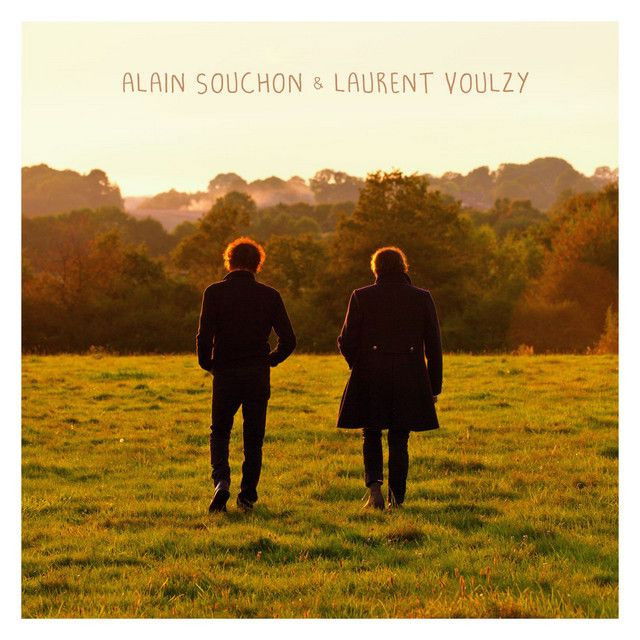
Why 'Derrière les mots' Feels So Human
The meaning of Derrière les mots Alain Souchon, Laurent Voulzy begins with a quiet but universal question: when people hear a song, do they hear the real person inside it, or just the pretty sound? That tension drives the whole track.
"Derrière les mots" - Alain Souchon, Laurent Voulzy
Est-ce que l'on voit nos cœurs
Et les tourments à l'intérieur
Loading lyrics...
Unable to load lyrics
We're unable to display the lyrics at this time. Please try again later.
Written by Alain Souchon and Laurent Voulzy, two of French pop's most respected longtime collaborators, the song works like a reflection on music itself. It asks whether voices and melodies reveal the heart, or hide it. In simple language, that makes the song feel intimate, thoughtful, and surprisingly deep.
A Song About What Music Hides and Reveals
At its core, the song wonders if listeners can sense what lives beneath performance. The repeated idea behind the hook is clear: behind the singing voice are hearts, inner trouble, desire, and grief. The song contrasts that inner life with the possibility that people hear only la la la
.
That phrase matters because it sounds light, even playful. But next to images of emotional turmoil, it becomes almost sad. Souchon and Voulzy are not attacking pop music. Instead, they seem to ask whether catchy music can still carry truth, and whether audiences are willing to listen closely enough to catch it.
Interpretation: this makes the song a gentle defense of pop songwriting. A sweet melody does not mean the feelings are shallow.

Watch the official Derrière les mots
music video
The Chorus Turns a Simple Question Into the Theme
The chorus keeps returning to the same concern: behind nos voix
, can people see nos cœurs
? In English, the idea is whether a voice can reveal the heart. That repetition gives the song its emotional center.
Because the question is never fully answered, the chorus stays open. That is important. The song does not claim that music always communicates perfectly. It admits the gap between what artists feel and what listeners hear.
Derrière les mots
derrière nos voix
are the feelings they cannot fully say.
That brief passage captures the song's basic message without overexplaining it. Music can point toward deep emotion, but words and voices still have limits.
More Than Love: Pain, Anger, and Escape
One reason the song feels rich is that it does not stay with romance alone. It mentions hidden love, but also tears, longing, revolt, anger, and dreams of leaving. In one verse, they suggest that on a guitar, alone and quietly, someone tries to remake the world. That image links private music-making with social feeling.
Another section turns outward toward travel and imagination. The pull of distant lands, the sea, and stars suggests a longing for escape. The dream can be emotional, physical, or artistic. Music becomes the vehicle that carries those wishes.
This range matters for the meaning of Derrière les mots Alain Souchon, Laurent Voulzy. The song is not only about a love song hiding heartbreak. It is about everything that can sit behind art: desire, anger, fantasy, memory, and hope.
Why the Sound Fits the Message
Even without quoting much, listeners can hear why the production suits the lyric. The song moves with a soft, polished pop texture associated with Voulzy's melodic style and Souchon's reflective writing. Their voices are warm rather than dramatic, which helps the central idea land: deep feelings are often carried quietly.
The arrangement also mirrors the song's argument. Smooth melody and repetition create an easy surface. Under that surface, the lyric keeps asking for closer listening. In other words, the music enacts the point. It gives listeners something beautiful first, then asks them to notice what sits underneath.
Interpretation: the gentle delivery is not a lack of intensity. It is the emotional strategy. By refusing to shout, the song shows how hidden feelings actually sound in real life.
Artist Context Makes the Theme Stronger
Souchon and Voulzy have one of the most admired partnerships in French music, with decades of collaboration behind them. That history gives the song extra weight. When they sing about what exists behind words and voices, it can sound like veteran songwriters reflecting on their own craft.
That context supports a meta reading: this is partly a song about songwriting. They seem to ask what songs can truly communicate after years of making them. Can a melody hold sorrow? Can a polished chorus carry confusion? Can listeners hear the life inside the form?
For American listeners, that is one reason the song connects even across language. Its question is universal. Everyone has wondered whether other people hear the truth, or only the performance.
Two Strong Ways to Read It
A meditation on songwriting
The most direct reading is that the song is about music itself. The contrast between inner feeling and surface sound suggests a songwriter's anxiety: audiences may enjoy the tune but miss the soul inside it.
A wider message about human communication
A second reading goes beyond music. People speak every day through jokes, habits, routines, and social roles. The song's real question may be whether anyone ever sees what lies behind those masks.
Both readings work, and the song gains power from holding them together.
Why the Song Still Lingers
What makes this track memorable is its modesty. It does not use giant drama to discuss deep emotion. Instead, it asks a soft question and lets that question echo. That is why the meaning of Derrière les mots Alain Souchon, Laurent Voulzy feels so lasting: it captures the fear that people may miss what matters most, while still believing music can bridge that gap.
In the end, the song suggests that beneath every polished voice is a real interior life. Whether listeners hear it depends on how closely they listen.
Interpretation disclaimer: song meanings are not fixed facts. This article offers a text-based reading shaped by the lyrics, performance, and artist context.








