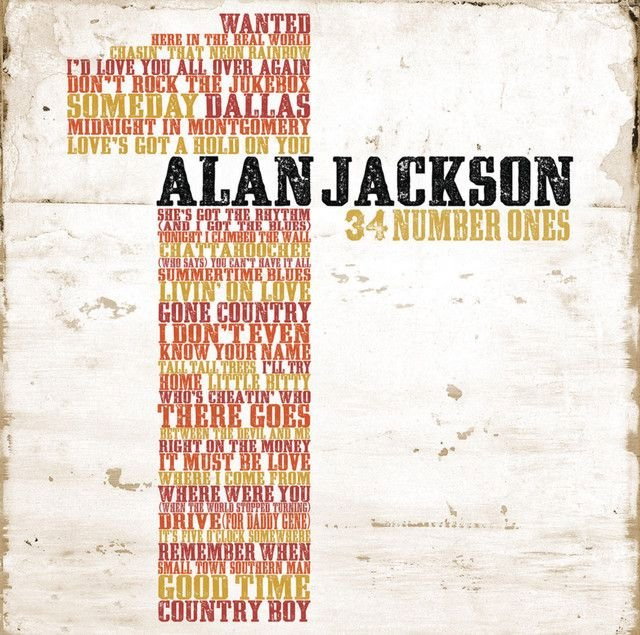
Remember When by Alan Jackson
Why This Country Ballad Still Hits Home
The meaning of Remember When Alan Jackson is simple on the surface but powerful underneath. It is a song about a long marriage seen through memory: first love, hard years, children, conflict, healing, and old age. Instead of focusing on one dramatic event, it traces a whole life.
"Remember When" - Alan Jackson
And time stood still and love was all we knew
You were the first, so was I
Loading lyrics...
Unable to load lyrics
We're unable to display the lyrics at this time. Please try again later.
That broad view is what gives the song its emotional pull. Alan Jackson released it on Greatest Hits Volume II in 2003, and it later became a No. 1 country hit, helping cement it as one of his signature ballads. Jackson also wrote the song himself, which matters because its plainspoken honesty feels personal rather than polished for effect.

Watch the official Remember When
music video
A Love Story Told in Chapters
The song moves in a clear timeline. It starts with youth and early romance, then travels through marriage, family life, pain, and old age. Each verse opens another chapter, and the repeated title phrase acts like a photo album opening to a new page.
Early on, the couple remembers a time when time stood still
. That phrase does not claim life really stopped. It shows how young love can feel sealed off from the world, as if nothing exists except the relationship itself.
Then the song turns practical. Wedding vows are not treated as a fairy-tale ending. They are the start of a difficult shared life. When the lyric mentions life threw curves
, it summarizes the song’s mature view of love: commitment is not proved by ease, but by endurance.
The Central Theme: Love That Survives Change
Many country songs celebrate romance. This one celebrates staying power. The relationship is not perfect, and that is the point. The couple experiences joy and hurt, coming together and falling apart, yet the song frames those moments as part of one long bond.
That is why the line about broke each other's hearts
matters so much. It keeps the song from becoming sentimental in a shallow way. Jackson includes damage, not just devotion. The marriage lasts not because the pair avoids pain, but because they keep living through it.
Interpretation: The song suggests memory itself is an act of love. To remember the difficult years alongside the sweet ones is to honor the relationship honestly. It is not nostalgia that edits out pain. It is gratitude that can hold both pain and joy at once.
Family, Time, and the Sound of Everyday Life
One of the song’s strongest turns comes when the couple remembers children. The phrase little feet
captures an entire season of life through one small image. Instead of using grand language, the song chooses household sound and movement.
That detail matters because it shifts the meaning of love. At first, love is private and romantic. Later, it becomes domestic and shared. Parenthood changes the marriage, but the song says it also renews it. The home becomes a place where affection returns in a new form.
There is also a larger idea here about time. The lyric about thirty seeming old, only to look small in hindsight, shows how age changes perspective. The song is not really about one age being better than another. It is about realizing that every stage once felt final, and later looked temporary.
Why the Refrain Means More Each Time
The repeated phrase remember when
works like both a question and a promise. It asks the partner to look back, but it also promises that their life together is worth revisiting. Each repetition gains weight because the memories become more layered.
We won't be sad
We'll be glad
For all the life we've had
This brief passage gives the song its emotional destination. The goal is not to deny aging or loss. It is to reach a point where the couple can see the whole journey and feel thankful for it.
Interpretation: The refrain may also speak to listeners beyond marriage. Even for people with different life stories, the song taps into a universal hope: that one day the past will feel meaningful, not wasted.
How the Music Carries the Message
The production supports the song’s reflective mood. It is a slow country ballad built around a restrained arrangement, with soft acoustic textures and gentle steel guitar touches that leave space for the words. Nothing in the performance rushes the listener.
Jackson’s vocal delivery is key. They sing in a calm, conversational way, which makes the memories sound lived-in rather than theatrical. That plain style matches his broader career identity as a traditionalist within modern country, an artist often praised for direct storytelling and classic influences.
The result is a song that feels intimate. The arrangement does not compete with the lyric’s timeline. It frames it, like light around an old photograph.
Artist Context Makes the Song Land Harder
Because Jackson wrote the song, listeners often hear it as especially personal. That does not mean every line should be treated as literal autobiography. Still, authorship matters: the emotional authority comes from how naturally the song speaks about marriage, grief, children, and aging.
It also arrived during a period when Jackson was already known for balancing mainstream success with traditional country values. That context helps explain why the song connected so strongly in the United States. It sounds familiar in the best way—plain, warm, and grounded in real life.
Final Reading: A Song About Memory as Commitment
At its core, the meaning of Remember When Alan Jackson is not just about looking back. It is about proving that a shared life has value because it was fully lived. The song honors first love, but it values endurance even more.
For many listeners, that is why it lasts. It does not sell fantasy. It offers a believable picture of love across decades, and that honesty is what makes it moving.
Disclaimer: This interpretation blends widely known song facts with critical reading. As with any song, meaning can vary from listener to listener.







