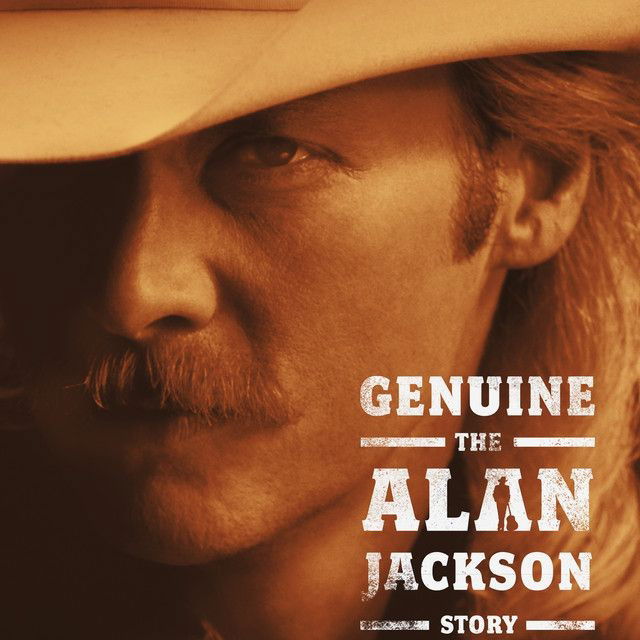
Why “Tall Tall Trees” Feels So Joyfully Over the Top
The meaning of Tall Tall Trees Alan Jackson starts with a simple idea: love can make people promise the impossible. In this song, the narrator does not offer quiet romance or deep confession. Instead, they offer everything—cars, mansions, travel, and even nature itself—as if devotion can only be measured in giant, impossible gifts.
"Tall Tall Trees" - Alan Jackson
I'll buy the longest one you've ever seen
I'll buy you tall, tall trees
Loading lyrics...
Unable to load lyrics
We're unable to display the lyrics at this time. Please try again later.
That is why the song still works. Alan Jackson turns a funny, exaggerated love song into something warm and believable. They do not make the narrator sound arrogant. They make them sound smitten.
A Love Song Built on Exaggeration
At its core, the song is about total devotion expressed in comic, oversized language. The narrator keeps saying they will buy or do whatever their lover wants. Phrases like big limousine
and great big mansion
show that the promises are intentionally larger than life.
The key image is tall, tall trees
paired with all the waters and the seas
. That pairing pushes the song beyond normal romance. The point is not realism. The point is emotional scale. The narrator feels so overwhelmed by love that ordinary gifts are not enough.
Interpretation: The song suggests that love often sounds a little foolish from the outside. That is why the repeated line fool for you
matters so much. The narrator knows they sound excessive, but they accept that gladly.
Watch the official Tall Tall Trees
music video
Why the Chorus Is the Whole Message
The chorus is catchy because it boils the song down to one feeling: eager surrender. Every verse lists things the narrator could provide, but the refrain keeps pulling that list back to the same emotional truth. Material gifts are only symbols. The real offer is total commitment.
One short section says it best:
I'm a fool, a fool for you
It may take awhile
but I'll prove it's true
That moment shifts the song away from simple bragging. It says the narrator may not have all these riches now, but they want to prove their love over time. That makes the song sweeter than it first appears.
The Narrator’s Voice: Confident, but Not Serious
A big reason the song works is tone. The speaker sounds excited, slightly goofy, and fully committed. They are not trying to control the other person. They are trying to impress them in the most colorful way possible.
That makes the repeated promises feel more like courtship than power. Even when the narrator says they will get money or provide luxury, the mood stays light. They are performing love, almost like they are putting on a charming show.
Interpretation: There is a wink in the song. The narrator likely knows that no one can literally buy oceans or forests. The exaggeration becomes a way to say, “There is no limit to how far they would go.”
Alan Jackson’s Version Adds Swing and Smile
The song was co-written by George Jones and Roger Miller, with Jones first releasing it in 1957. Alan Jackson recorded his version in 1995 for The Greatest Hits Collection, and it became his twelfth No. 1 on Billboard’s country chart, according to chart histories summarized by Wikipedia.
Jackson also said in liner notes that it was an old Roger Miller song he had stumbled across and called it a real fun song with a Cajun feel
, as quoted by Wikipedia. That description is important. The performance has bounce, shuffle, and a loose groove that keeps the song from sounding stiff.
Produced by Keith Stegall and Alan Jackson, the recording runs only about two and a half minutes, but it feels full of motion. The rhythm section pushes the track forward, and the bright country arrangement gives the promises a dance-floor energy rather than a solemn one. Instead of sounding desperate, the narrator sounds delighted.
How the Sound Supports the Meaning
The production helps explain the meaning of Tall Tall Trees Alan Jackson just as much as the words do.
The upbeat tempo
Because the song moves quickly, listeners do not sit with the promises as literal claims. They hear them as part of a joyful rush. The fast pace turns devotion into celebration.
The Cajun touch
Jackson’s comment about the Cajun feel fits the song’s swing and lilt. That style adds playfulness and a little snap. It gives the track the energy of flirtation.
The vocal delivery
Billboard critic Deborah Evans Price wrote that Jackson’s vocal had the right mix of devotion and playfulness, as cited by Wikipedia. That balance is exactly why the song lands. They sound earnest enough to mean it, but relaxed enough to enjoy the joke.
A Bigger Country Tradition Behind It
This song also fits a long country tradition of using humor to express serious feeling. Country music often lets singers sound humble, lovestruck, and a little ridiculous at the same time. Here, the narrator is not ashamed of being overcommitted. They wear it proudly.
That connection to George Jones and Roger Miller matters too. Jones brought emotional force, while Miller was famous for wit and unusual phrasing. Together, those instincts help explain why the song feels both heartfelt and funny.
Why the Song Still Connects
What lasts about “Tall Tall Trees” is its emotional clarity. The narrator is not hard to understand. They love someone so much that plain language no longer feels big enough.
That is the real charm of the song. It turns foolishness into loyalty, exaggeration into affection, and bragging into courtship. Alan Jackson’s version keeps all of that light on its feet, which is why the song feels timeless instead of dated.
In the end, this reading is an interpretation based on the lyrics, performance, and known song history. Different listeners may hear different shades of humor, romance, or longing in it.








