Why “Mary Jane” Is Alanis at Her Gentlest
The meaning of Mary Jane Alanis Morissette starts with care, not mystery. Despite the title, this song is not about marijuana. It is a direct, tender address to someone who is emotionally worn down and struggling to admit it.
"Mary Jane" - Alanis Morissette
As you place the don't disturb sign on the door
You lost your place in line again, what a pity
Loading lyrics...
Unable to load lyrics
We're unable to display the lyrics at this time. Please try again later.
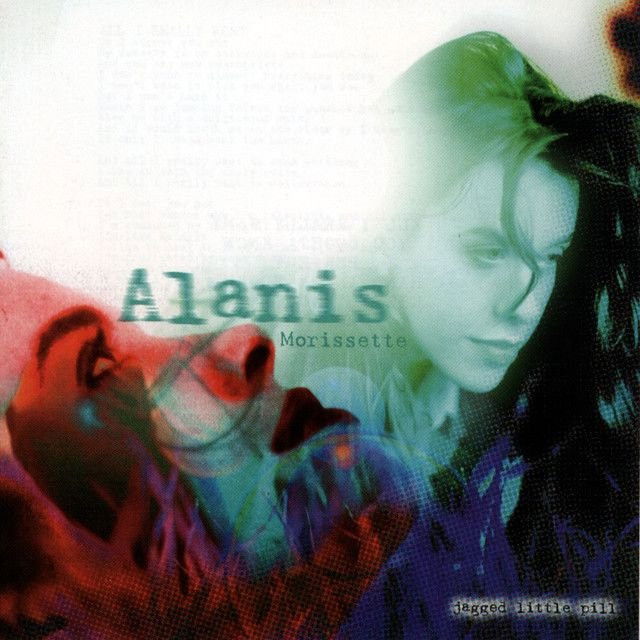
On Jagged Little Pill, Alanis Morissette often sounded sharp, angry, or restless. Here, they shift into a softer mode. The song asks what happens when a generous person keeps giving until there is almost nothing left.
The heart of the song is emotional rescue
At its core, “Mary Jane” is about noticing someone’s pain before they can fully explain it themselves. The narrator sees signs of burnout, sadness, and isolation. When they ask What’s the matter
, it is not gossip or judgment. It sounds like a real attempt to reach someone who has gone quiet.
That makes the song unusual for a mid-1990s rock record. Instead of confrontation, it offers compassion. According to Songfacts, Morissette said the song came from empathy for vulnerable, service-oriented people and was influenced by a friend who seemed sweet to everyone else but returned home depleted.
Interpretation: the song also works as self-talk. Morissette said she later heard it as if another woman were singing to her, which supports the idea that “Mary Jane” is both a message to a friend and a message to the self.

Watch the official Mary Jane
music video
Who Mary Jane seems to be
The lyrics present Mary Jane as a person who hides distress behind politeness. Small details suggest someone withdrawing from life: don’t disturb
, trouble sleeping, and no longer wanting to dance. None of those images is dramatic on its own. Together, they paint emotional exhaustion.
The song never mocks her for that. Instead, it asks if she is truly happy and urges her not to hide her tears. That is a key part of the meaning of Mary Jane Alanis Morissette: honesty becomes the first step toward survival.
A brief map of the song’s emotional arc
- The narrator notices warning signs.
- They describe Mary Jane’s downward momentum.
- They ask for honesty instead of silence.
- They remind her that freedom and self-protection matter.
That final shift matters most. The song does not stay in diagnosis. It moves toward permission.
The images of motion all point the wrong way
One of the song’s strongest writing choices is its use of movement imagery. Mary Jane is not standing still in peace. She is being carried by forces she does not control.
The line about a roller coaster
suggests emotional instability. The image of the streetcar going off track suggests a life path that feels broken or unsafe. Then the song says it is full speed
in the wrong direction, which sharpens the danger. This is not a sad mood that will simply pass. It feels like a pattern.
Interpretation: these images suggest depression, burnout, or a crisis of identity. The song never gives a clinical label, and it does not need one. Its power comes from the way it recognizes spiraling before the person inside it can stop and name it.
The chorus offers permission, not pressure
The emotional center arrives when the narrator asks Mary Jane to be honest and stop censoring her tears. That phrase is powerful because it frames crying as something she has been editing out, almost like she thinks even grief must be managed for others.
Please be honest, Mary Jane
Are you happy
Please don't censor your tears
This is the article’s only longer quote, and it captures the song’s central plea: tell the truth about your pain.
After that, the song becomes even more generous. It calls her a sweet crusader
and last great innocent
, praising the goodness that may also be wearing her down. Then it tells her to “be selfish,” meaning she should protect herself for once.
That idea gives the song its moral center. Self-care is not framed as failure. It is framed as necessary.
Why the sound matters so much
“Mary Jane” appeared on Jagged Little Pill in 1995, the album Morissette made with Glen Ballard, who co-wrote its songs and helped shape its breakthrough sound, as noted by Songfacts. The track is rooted in alternative rock, but it does not hit as hard as the album’s most famous singles.
That softer arrangement supports the meaning. The steady rhythm, spacious guitar textures, and organ give the song room to breathe. Songfacts also notes that Benmont Tench played organ on this track, and that detail matters because the keyboard tone adds warmth rather than attack.
Morissette’s vocal delivery does the same thing. They do not sound detached. They sound close, worried, and patient. Even when the melody rises, it does not turn the song into a lecture. It stays beside Mary Jane instead of towering over her.
Not about drugs, and that matters
Because of the title, some listeners assume “Mary Jane” is a coded drug song. Morissette rejected that reading. Songfacts reports that this one has nothing to do with marijuana.
That fact changes how the title works. “Mary Jane” feels less like a symbol and more like a personal call-out, as if the narrator is trying to reach one specific person before she disappears deeper into herself. The title makes the song intimate.
The lasting meaning of “Mary Jane” today
What keeps this song relevant is how gently it handles distress. It recognizes that some people are not loud about suffering. They become tired, careful, private, and over-accommodating. They stop dancing. They place the sign on the door.
The meaning of Mary Jane Alanis Morissette is ultimately about seeing that hidden pain and answering it with empathy. Interpretation: it may be one of Morissette’s clearest songs about self-worth, especially for people who confuse kindness with endless self-sacrifice.
That is why the ending feels comforting rather than solved. The song cannot fix Mary Jane. It can only tell her that her freedom matters and that her feelings deserve air.
Disclaimer: This interpretation is based on the lyrics, recorded performance, and published artist commentary. Like many songs, “Mary Jane” can support more than one reasonable reading.